 Facebook
 Instagram
 Twitter
 Linkedin
In the bustling streets of Delhi, where the aroma of spices fills the air and the clatter of pans is a familiar melody, families gather at the end of a long day, eager to share stories and enjoy a meal that feels like home. Yet, amid the modern hustle, a challenge looms over many Indian households how to preserve the essence of traditional dining without the time-consuming preparation? Enter the savior of many a dinner table—the humble yet mighty tandoori roti.
Meet Priya Sharma, a dedicated marketing professional and a loving mother of two. Like many in her community, Priya faces the daily challenge of juggling a demanding career with her desire to ensure her family enjoys wholesome, traditional meals. Her workdays are long, often stretching into the evening, leaving little time for elaborate cooking. However, she cherishes the memories of her childhood, where every meal was a celebration of flavors, with her grandmother’s tandoori rotis taking center stage.
Priya’s story is not unique. Across India, countless individuals like her are caught in the same predicament. The demands of modern life have led to compromises in meal preparation, with many turning to quick-fix options that often lack the soul of authentic Indian cuisine. For Priya, the emotional weight of not being able to provide her family with the same culinary experiences she enjoyed as a child was a burden she sought to lift.
One day, while commuting home, Priya stumbled upon a local store offering ready-to-eat tandoori rotis. Intrigued, she decided to give them a try. Little did she know, this decision would transform her family’s dining experience.
Tandoori roti, a staple in Indian households, is traditionally made in clay ovens, imparting a unique flavor and texture that is hard to replicate with other cooking methods. The ready-to-eat versions now available are crafted to bring the same authenticity to the table without the labor-intensive process. Priya found that these rotis required minimal preparation time, allowing her to focus more on the accompaniments and the precious moments spent with her family.
The distinct problem faced by modern families like Priya’s is the lack of time to prepare traditional meals. However, the solution lies in embracing products that retain the authenticity of traditional Indian cuisine while catering to the practicalities of contemporary life.
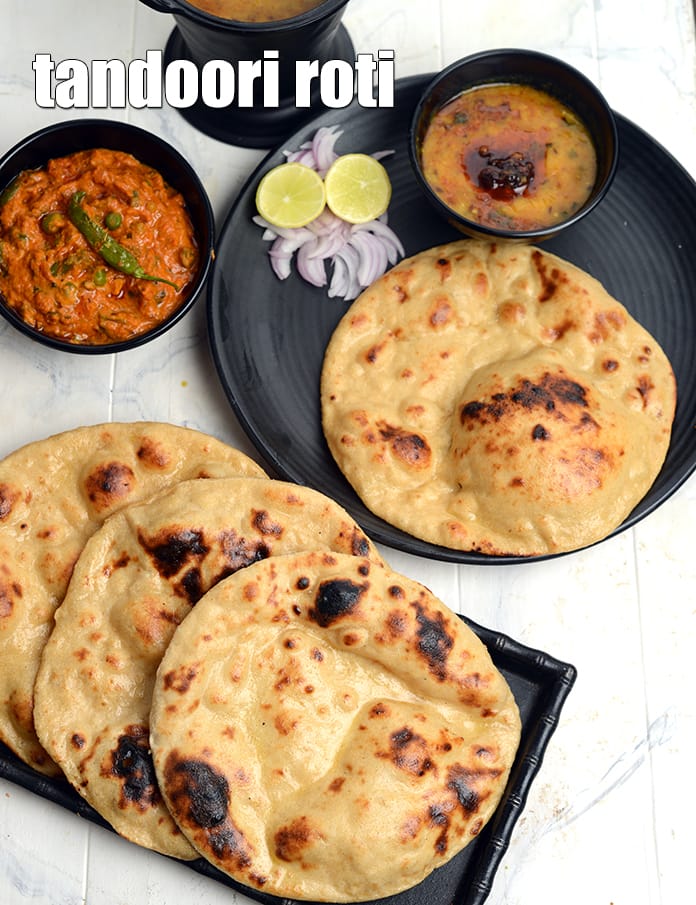
As Priya discovered, the ready-to-eat tandoori rotis were not just a convenient addition to her kitchen; they were a bridge connecting her family to their cultural roots. The warm, soft texture and slightly charred edges of the rotis evoked fond memories of her grandmother’s kitchen, filling her dining room with the same warmth and love.
The impact was immediate. Priya noticed that her family dinners became more frequent and enjoyable. Her children, who once preferred quick Western snacks, began to look forward to the rich curries and dals that complemented the tandoori rotis. Even her husband, Raj, who often worked late, found solace in coming home to a meal that tasted like tradition.
The story of Priya Sharma is a testament to how small changes can make a significant difference in preserving cultural heritage. Ready-to-eat tandoori rotis have become a beloved staple in her home, simplifying her life while enriching her family’s dining experience.
For those like Priya, these rotis offer a practical solution to a common problem, allowing them to reconnect with their heritage even amidst the chaos of modern life. As more families discover this blend of convenience and tradition, the tandoori roti continues to weave its magic in Indian kitchens, one meal at a time.
In conclusion, the journey of tandoori roti from the traditional tandoors to the modern dining tables is a story of resilience and adaptation. For Priya and countless others, it is not just food; it is the taste of home, the comfort of tradition, and a reminder that even in a fast-paced world, some things are worth holding onto.
Visit Vyaparify Site: https://id.vyaparify.com/national_dhaba
Contact Us
Old 94 B new 2712 Kanadiya main road samvid nagar Indore


 Select Date