


 Facebook
 Instagram
 Twitter
 Linkedin
Contact Us
Factory-256, Sector E, Sanwer Road Industrial Area,
In stock
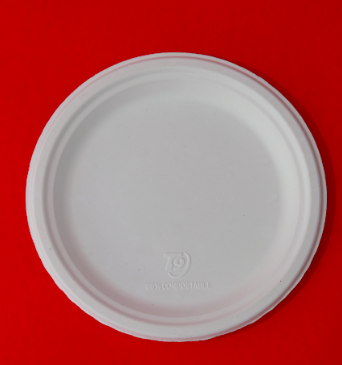
Sugarcane round plates, a sustainable alternative to traditional plastic or paper plates, are manufactured using sugarcane bagasse, the fibrous residue left after extracting juice from sugarcane. The process begins with collecting sugarcane bagasse, which is then cleaned to remove any impurities.
Next, the cleaned bagasse is pulped and mixed with water to create a slurry. This slurry is poured into molds shaped like round plates. The molds are then pressed to remove excess water and compact the fibers into the desired shape. Heat may be applied during this process to help bind the fibers together.
Once the plates are formed, they are dried to remove any remaining moisture. This drying process can occur naturally or through the use of heat. After drying, the plates are trimmed and inspected for quality control. Any plates that do not meet the specified standards are discarded or recycled back into the manufacturing process.
The finished sugarcane plates are biodegradable and compostable, meaning they can break down naturally into organic matter when disposed of properly. This makes them an environmentally friendly option compared to traditional plastic plates, which can take hundreds of years to decompose in landfills.
Sugarcane plates offer several benefits beyond their eco-friendliness. They are sturdy and durable, able to hold both hot and cold foods without leaking or becoming soggy. Additionally, they are microwavable and freezer-safe, providing versatility for various food service applications.
Moreover, the production of sugarcane plates contributes to the efficient use of agricultural by-products, reducing waste and providing additional income streams for sugarcane farmers. By choosing sugarcane plates over conventional disposable tableware, consumers can support sustainable practices and help reduce their environmental footprint.
In summary, sugarcane round plates are manufactured using sugarcane bagasse through a process of pulping, molding, drying, and quality control. They offer a sustainable alternative to plastic plates, being biodegradable, compostable, sturdy, and versatile. Choosing sugarcane plates promotes environmental responsibility and supports agricultural sustainability.
Factory-256, Sector E, Sanwer Road Industrial Area,


 Select Date Select time


 Website
 Youtube