 Facebook
 Instagram
 Twitter
 Linkedin
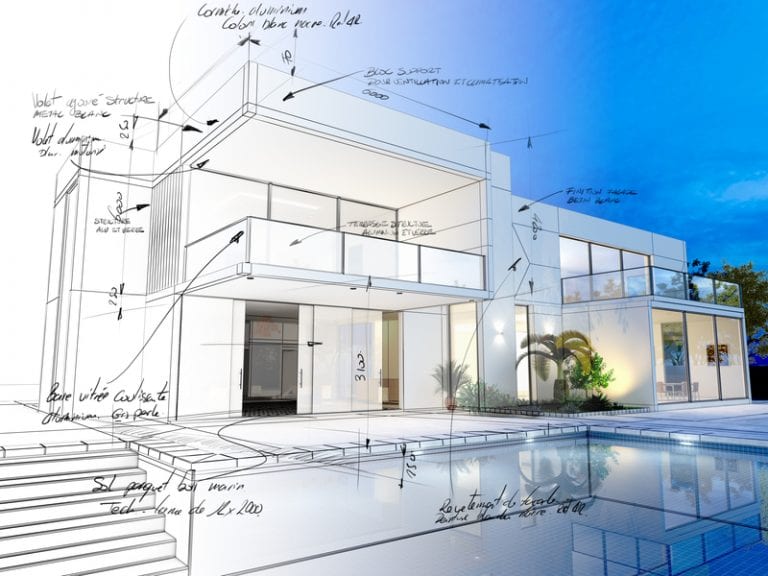
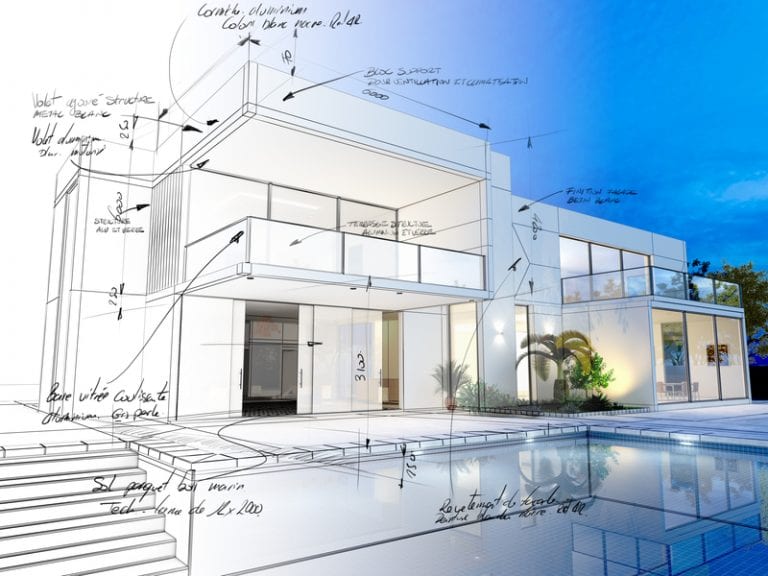
In the bustling city of Bengaluru, where modern skyscrapers meet traditional temples, lives a passionate architect named Ananya. Ananya had always dreamed of creating spaces that intertwined functionality with aesthetic brilliance. However, like many in her field, she faced a significant challenge—understanding the landscape and planning accordingly to ensure that her designs were not just beautiful but also viable.
Ananya's journey reflects a common dilemma faced by architects and homeowners alike. The challenge? Effective site analysis and planning. This is where the magic happens—or doesn't. Without a deep understanding of the site’s unique characteristics, even the most innovative design can fall flat. But what exactly makes site analysis and planning so crucial, and how can it solve this major challenge?
Imagine Ananya standing on an empty plot of land. To the untrained eye, it’s just a piece of earth. But for Ananya, every contour, every breeze, and every shadow tells a story. These elements dictate how a building should be situated, how natural light can be harnessed, and how the environment can be respected. Without a thorough site analysis, these opportunities are lost, and potential problems, such as poor drainage or inadequate sunlight, can arise.
Ananya is not alone in this struggle. Take the case of Rajesh and Priya, a couple who had recently purchased land in Pune with dreams of building their perfect home. They were excited but soon overwhelmed by the complexities of the site. The land sloped sharply, and they had no idea how to make it work for their vision. They needed a solution that could bridge the gap between their dream home and the reality of their land’s limitations.
Enter comprehensive site analysis and planning. This is not just a technical necessity; it’s an art form that requires a blend of science, creativity, and empathy. By understanding the nuances of the site, architects like Ananya can unlock its potential, tailoring designs to its strengths and mitigating its weaknesses.
For Rajesh and Priya, a detailed site analysis revealed the potential for a beautiful terraced garden, making the most of the slope that once seemed an insurmountable obstacle. With proper planning, their home was designed to maximize natural light and airflow, significantly reducing energy costs and creating a harmonious living environment.
The emotional impact of effective site analysis and planning cannot be underestimated. For Ananya, it means the difference between a project that merely exists and one that thrives. For homeowners like Rajesh and Priya, it means the difference between a house that is just a structure and a home that is a true reflection of their aspirations and lifestyle.
In India, where cultural, environmental, and municipal considerations are diverse and complex, the value of meticulous site analysis and planning becomes even more pronounced. It’s about respecting the land and the community, ensuring that new structures contribute positively to the surroundings.
For those embarking on architectural projects, whether they are seasoned professionals or first-time homeowners, acknowledging the importance of site analysis and planning is critical. It transforms challenges into opportunities, allowing dreams to manifest into tangible reality.
As Ananya gazes out over her latest project, she knows that it’s not just about bricks and mortar. It’s about creating a legacy, an environment where people like Rajesh and Priya can thrive. Through the lens of careful site analysis and planning, architects and homeowners can navigate the complexities of building with confidence and creativity.
In every city, town, and village across India, there are stories waiting to be written on the canvas of earth. With the right approach to site analysis and planning, those stories can unfold beautifully, turning visions of grandeur into reality, one plot of land at a time.
Visit Vyaparify Site: https://id.vyaparify.com/aapkaarchitect
Location: https://maps.app.goo.gl/w6AZRAZmWH6qFmZA6

Contact Us
355, Aggarwal Metro Heights, Netaji Subhash Place, Pitampura, Delhi


 Youtube
 Select Date