 Facebook
 Instagram
 Twitter
 Linkedin
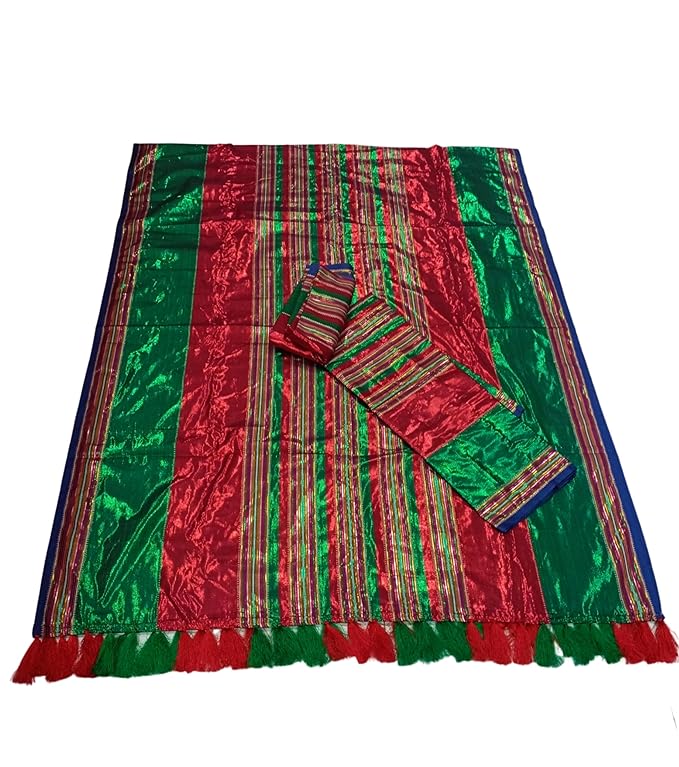
In the bustling city of Guwahati, where modernity meets tradition, lives a young professional named Ananya. Like many others of her generation, Ananya juggles a demanding career with maintaining ties to her cultural heritage. As a proud Assamese woman, she cherishes her roots, yet often struggles with finding ways to express them in her daily life. This is where the Ethnic Chador Mekhela comes in—a garment that not only embraces the rich Assamese tradition but also solves a deeper, emotional problem of cultural disconnection.
Ananya’s story is not unique. Across Assam and beyond, many young women face the challenge of preserving their cultural identity amidst a fast-paced, globalized world. In an era where western fashion often dominates, traditional attire can sometimes feel like a relic of the past, reserved only for special occasions. However, the Ethnic Chador Mekhela defies this notion. It’s a garment that seamlessly integrates into both traditional and contemporary settings, offering a practical solution for women like Ananya who wish to celebrate their heritage every day.
The Chador Mekhela is more than just a piece of clothing—it's a symbol of Assamese pride and identity. Each design tells a story, intricately woven with motifs that are deeply rooted in Assamese culture. For Ananya, wearing the Chador Mekhela is a way to carry a piece of home with her, whether she’s attending a formal event in the city or a casual get-together with friends.
One Saturday, Ananya received an invitation to her colleague’s wedding. It was a semi-formal event, and she wanted to wear something that reflected her culture while also being stylish and appropriate for the occasion. As she rummaged through her wardrobe, her eyes fell on a beautifully woven Chador Mekhela that she had purchased recently. The vibrant colors and exquisite craftsmanship immediately caught her attention. As she draped it over her shoulder, she felt a deep connection to her roots and an overwhelming sense of pride.
The Ethnic Chador Mekhela offers a practical solution to a common problem faced by women like Ananya. It allows them to effortlessly incorporate traditional attire into their modern lifestyle. The lightweight fabric and versatile design make it suitable for a variety of occasions, from office parties to cultural festivals.
Moreover, the Chador Mekhela is not just a garment; it’s a statement. It speaks to the world about the wearer’s identity and heritage. It serves as a reminder of the rich history and cultural tapestry of Assam, a state renowned for its lush tea gardens, vibrant festivals, and, of course, its stunning traditional attire.
For many Assamese women, the Chador Mekhela is more than just clothing. It’s a bridge connecting them to their past—a past rich with stories of resilience, artistry, and pride. In a world where cultural identities can easily be overshadowed, the Chador Mekhela stands as a testament to the enduring spirit of Assamese tradition.
In conclusion, the Ethnic Chador Mekhela is not just solving a fashion dilemma; it’s addressing a deeper, emotional need. It empowers women to embrace their cultural identity with confidence and pride. For Ananya, and many others like her, it’s a tangible connection to their roots—one that they can wrap around themselves, feeling comforted and inspired.
So, the next time you feel the pull of your cultural heritage, consider the Ethnic Chador Mekhela. It’s not just a garment; it’s a celebration of who you are and where you come from. Let it be a reminder that tradition and modernity can indeed walk hand in hand, creating a unique tapestry that is as beautiful as it is meaningful.
Visit Vyaparify Site: https://id.vyaparify.com/ab_assamese_ethnic
Contact Us
Aminpatty. S. A road. Nogaon, Assam


 Website
 Youtube
 Select Date