 Facebook
 Instagram
 Twitter
 Linkedin
In the remote village of Kheda, nestled within the heart of Maharashtra, the sun rises over fields of golden wheat, but for years, the light of day has not translated into reliable electricity for its residents. Among them, Asha and her family have faced a persistent challenge the lack of a reliable power source. For Asha, the absence of electricity is more than just an inconvenience—it's a barrier to her children's education and her family's overall well-being.
Asha's story is a common one in rural India, where millions face energy poverty. The erratic electricity supply, if available, often disrupts daily life, making it difficult for children to study after sunset and for families to carry out essential tasks. The emotional toll of this unpredictability cannot be overstated, as it perpetuates a cycle of limited opportunities and economic stagnation.
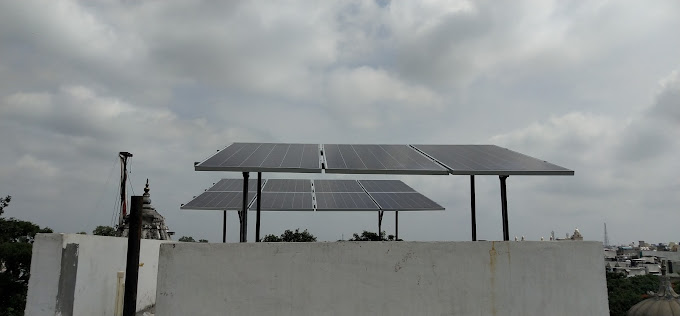
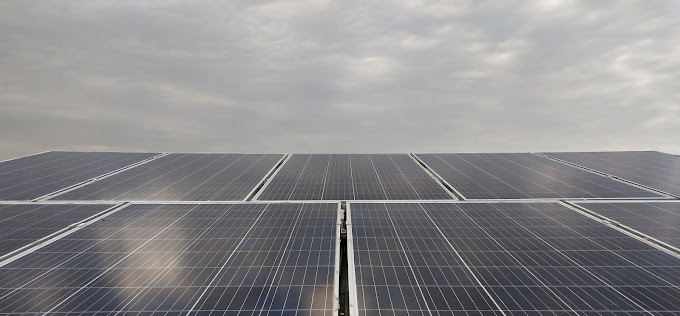
Enter off-grid solar systems—a beacon of hope for Asha and countless others. These systems are more than just a source of power; they are a lifeline. By harnessing the abundant solar energy, off-grid solar systems provide a sustainable and reliable energy solution that is transforming lives across rural India.
For Asha, the installation of an off-grid solar system has been nothing short of life-changing. Now, her children can study under the consistent glow of LED lights, and she can extend her work hours, increasing the family's income. The emotional relief that comes from knowing her children have a better chance at success is immeasurable. Furthermore, the reduction in kerosene use not only saves money but also improves the family's health by reducing indoor pollution.
Off-grid solar systems address a major problem faced by Asha and others like her the lack of reliable electricity. This practical solution also has profound emotional impacts by alleviating the stress and limitations associated with energy poverty. It empowers individuals and communities, fostering a sense of independence and hope for a brighter future.
Consider the success story of Rajesh, a farmer from Tamil Nadu, who transformed his agricultural practices with the help of off-grid solar systems. Previously, Rajesh relied on diesel pumps to irrigate his fields, a costly and environmentally damaging method. With solar power, he now operates efficient water pumps, reducing his operational costs and increasing his crop yield. The savings and increased productivity have enabled him to invest in better seeds and farming techniques, enhancing his livelihood and contributing to the local economy.
These narratives underscore the potential of off-grid solar systems to create a ripple effect of positive change. By addressing the critical issue of energy access, these systems empower individuals, improve education, support economic development, and contribute to environmental sustainability.
As India continues to strive towards universal energy access, off-grid solar systems stand out as a vital solution. They not only provide immediate relief from the challenges of energy poverty but also lay the groundwork for long-term development. By investing in these systems, we invest in the future of millions like Asha and Rajesh, enabling them to rise above their circumstances and build a better tomorrow.
In conclusion, off-grid solar systems are more than just a technological innovation; they are a catalyst for transformation. For individuals in rural India, these systems offer a chance to break free from the constraints of energy poverty, unlocking potential and fostering resilience. As the sun sets over Kheda, Asha no longer fears the darkness, for she knows that the power of the sun will light her way forward.
Visit Vyaparify Site: https://id.vyaparify.com/asventure

Contact Us
1st Floor Hari Hardware Station Road Opposite Hotel Ujala Palace Ratlam


 Select Date