In the heart of rural India, where the golden sun graces the land with its warmth, lies a profound challenge—access to reliable electricity. For people like Ramesh and his family, living in a small village near Varanasi, the absence of consistent power supply hinders their daily lives and economic potential. This is where PV solar panels come into play, offering a beacon of hope and transformation.
Ramesh, a diligent farmer, rises with the sun, working tirelessly to provide for his family. Yet, as the sun sets, their home plunges into darkness, with unreliable electricity affecting everything from his children's education to the ability to store perishable goods. The flickering kerosene lamps are a constant reminder of the limitations they face.
For Ramesh, this is not just a practical problem but an emotional one. He dreams of a better future for his children, where they can study under bright lights and access the digital world beyond their village. The emotional burden of knowing that his efforts are hampered by such a basic necessity weighs heavily on him.
Enter PV solar panels—a sustainable solution that promises to alleviate these challenges. By harnessing the abundant solar energy, these panels convert sunlight into electricity, providing a reliable and clean energy source. For Ramesh, this means a lit home after sunset, a fan to cool his family during the sweltering summer nights, and a newfound ability to power small devices that connect them to the broader world.
Consider the inspiring story of Meena Devi from a nearby village, who faced similar struggles. Her family installed PV solar panels last year, and the transformation has been remarkable. With a consistent power supply, Meena’s children can study after dark, and her small embroidery business has flourished as she can now work longer hours and communicate with clients online. Her village, once cloaked in darkness, now gleams with opportunity and hope.
The impact of PV solar panels extends beyond the individual household. Villages that embrace solar energy experience a ripple effect. Schools can function more efficiently, health centers can store vaccines without fear of spoilage, and local businesses can operate beyond daylight hours, boosting the local economy.
By adopting solar panels, rural communities also contribute to environmental sustainability. Unlike traditional power sources, solar energy is clean and renewable, reducing carbon footprints and promoting a healthier planet for future generations. This aligns perfectly with India’s commitment to expanding its renewable energy capacity and combating climate change.
For Ramesh and many like him, the decision to invest in PV solar panels is a step towards self-reliance and empowerment. It signals a shift from dependence on unpredictable grid electricity to a self-sustaining lifestyle. It's not just about electricity; it's about reclaiming dignity and autonomy, about ensuring that one's potential is not limited by the lack of a stable power supply.
As India progresses towards its goal of energy inclusion, PV solar panels play a pivotal role in bridging the gap. They offer a practical solution to a pressing problem while simultaneously addressing the emotional needs of those yearning for progress and prosperity.
In conclusion, PV solar panels are more than just a technological innovation; they are a catalyst for change. For Ramesh, Meena, and countless others, they represent a brighter future, illuminating paths to education, economic growth, and a better quality of life. By embracing solar power, rural India is not only lighting up its homes but also igniting the flame of hope and transformation for generations to come.
Visit Vyaparify Site:
https://id.vyaparify.com/asventure 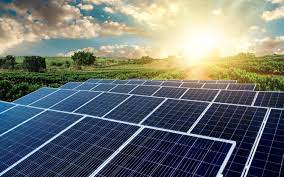

 Go To Homepage