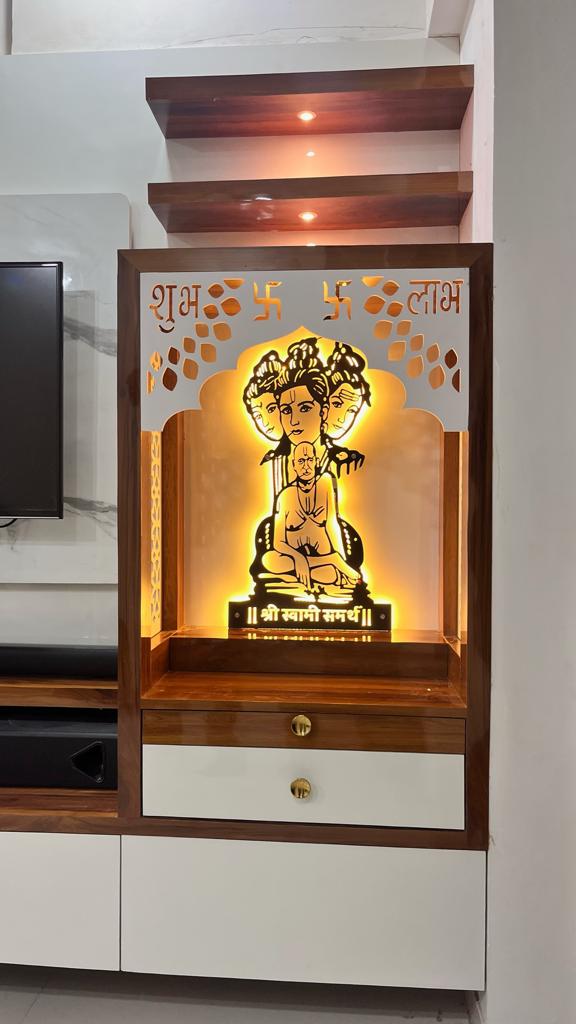
In the bustling city of Pune, where the rhythm of life often overshadows the simple joys of living, Aarti Sharma found herself at a crossroads. Her home, once a sanctuary, had become a chaotic blend of mismatched furniture and non-eco-friendly decor. The environmental impact of her choices weighed heavily on her conscience, as she became increasingly aware of the waste and unsustainability that her lifestyle perpetuated. Aarti's story is one that resonates with many urban dwellers who face the dual challenge of cluttered living spaces and the need to adopt more sustainable practices.
Aarti, a 35-year-old marketing professional, lived in a compact two-bedroom apartment with her husband and their young daughter, Meera. Despite her busy schedule, Aarti had always been passionate about maintaining a beautiful home. However, she was often overwhelmed by the amount of furniture and decor items that seemed to crowd every corner. It wasn't just the physical clutter that bothered her; it was the emotional weight of knowing that her choices contributed to environmental degradation. She longed for a transformation that would not only declutter her home but also align with her growing commitment to sustainability.
The tide turned when Aarti stumbled upon a range of eco-friendly interior designs that promised to revolutionize her living space while respecting the planet. These designs, crafted from sustainable materials, offered elegant solutions tailored for urban homes like hers. The eco-friendly approach meant that each piece of furniture was not only aesthetically pleasing but also made with minimal environmental impact. This was the answer to Aarti's dilemma — an opportunity to declutter with conscience.
As Aarti embarked on this journey, she started with the living room, often the heart of any Indian home. She replaced her old, bulky sofa with a sleek, sustainable alternative made from reclaimed wood and organic fabrics. The transformation was immediate; the room felt more spacious, and the natural textures brought a warmth that had been missing. The minimalist design reduced visual clutter, creating a calming atmosphere that was both inviting and soothing.
But the transformation was more than just physical. Aarti found that her new eco-friendly living room became a space where her family could reconnect. Evenings were now spent reading stories to Meera on the comfortable, toxin-free cushions, fostering a nurturing environment that was as healthy as it was beautiful. The decision to choose sustainable designs had a profound emotional impact, bringing peace and fulfillment that Aarti hadn't anticipated.
Aarti's commitment to eco-friendly interiors extended to other parts of her home as well. She opted for a dining table crafted from bamboo, a rapidly renewable resource, and adorned her walls with art pieces made from recycled materials. Each choice added to the narrative of a home that cared for the planet, a home that was part of the solution rather than the problem.
Aarti's story is a testament to the power of eco-friendly design in addressing the practical and emotional challenges faced by many modern Indian families. By choosing sustainable interiors, Aarti not only decluttered her home but also aligned her living space with her values. Her journey serves as an inspiration for others who find themselves trapped in a cycle of clutter and environmental concern.
In conclusion, eco-friendly interior designs offer a pathway to transform not just your home, but your lifestyle. They solve the pressing problem of cluttered spaces while contributing positively to the environment. For individuals like Aarti, this approach provides the perfect blend of practicality and peace of mind. So, if you find yourself in a similar predicament, consider making the switch to eco-friendly designs. Your home — and the planet — will thank you.
This blog post leverages storytelling to connect emotionally with readers while highlighting the practical benefits of eco-friendly design. It uses descriptive language and relatable scenarios to engage the audience, ensuring the content is both informative and persuasive. By incorporating SEO best practices such as targeted keywords and a compelling meta description, the blog is designed to reach and resonate with a wide audience.
Visit Vyaparify Site:
https://id.vyaparify.com/ayaan-interiorfurnitureLocation:
https://maps.app.goo.gl/jzeMJANA4opcWagd9