 Facebook
 Instagram
 Twitter
 Linkedin
In the bustling city of Mumbai, where the pace of life never seems to slow, lives Anjali, a 45-year-old single mother who juggles her demanding job at an IT firm while caring for her elderly father, Ramesh. Ramesh, once a vibrant and energetic man, has been coping with diabetes and hypertension for several years now. The challenges of managing his health are many, but the most daunting one has been ensuring regular monitoring of his vitals without frequent hospital visits. This is where innovative medical devices and equipment come into play, transforming lives like Anjali's and Ramesh's all over India.
Anjali's story is not unique. Across India, millions of families face the overwhelming task of managing chronic illnesses, often without easy access to necessary healthcare facilities. The problem is not just practical but deeply emotional, as the stress of caregiving can take a toll on family members. The constant worry about a loved one's health, coupled with the logistical challenges of frequent hospital trips, can become a heavy burden.
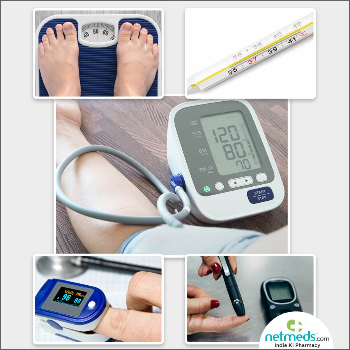
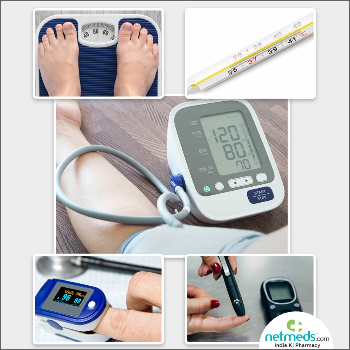
Enter the world of advanced medical devices and equipment—a beacon of hope for families like Anjali's. These devices, ranging from portable blood pressure monitors to sophisticated glucose meters, empower individuals to take control of their health from the comfort of their homes. For Anjali, investing in a reliable blood pressure monitor and a glucometer for her father brought immense relief. No longer did she have to rush to the hospital for routine checks; instead, she could ensure her father's health was monitored regularly and accurately at home.
A similar story unfolds in the town of Jaipur, where Rajesh, a retired school teacher, faced difficulties in keeping track of his heart health. After experiencing a mild cardiac event, Rajesh was advised by his doctor to monitor his heart rate and EKG regularly. The thought of frequent hospital visits was daunting, both financially and physically. Rajesh found his solution in a compact EKG device that connected to his smartphone. This device not only provided real-time data but also offered peace of mind, allowing him to detect any irregularities early and seek medical attention if necessary.
These narratives highlight the critical problem faced by healthcare consumers in India accessibility and affordability of consistent medical monitoring. For many, especially those in rural or semi-urban areas, regular access to healthcare facilities is a luxury. The financial and emotional burden of travel and hospital visits can be significant. However, with the integration of technology into healthcare through medical devices, this problem is becoming more manageable.
Medical devices and equipment are not just tools; they are enablers of a better quality of life. By offering solutions that are both practical and emotionally reassuring, they address the core problem of healthcare management for chronic conditions. Anjali now sleeps better at night, knowing her father's health is under control, while Rajesh enjoys his retirement more, free from the constant worry of another cardiac episode.
The impact of these devices extends beyond individual households. On a larger scale, they contribute to easing the burden on India's healthcare system, allowing hospitals to focus resources on more critical cases. As more families adopt these technologies, the ripple effect could lead to a healthier, more resilient nation.
In conclusion, the power of medical devices and equipment lies not only in their ability to solve practical problems but also in their capacity to alleviate the emotional stress associated with healthcare management. For families like Anjali's and Rajesh's, these devices are not just medical tools—they are lifelines that transform everyday challenges into manageable tasks, thus paving the way for a healthier and happier tomorrow.
Visit Vyaparify Site: https://id.vyaparify.com/best-gautam-pharmacy

Contact Us
A/15 shreyash complex, sonal cinema road, vejalpur


 Select Date