 Facebook
 Instagram
 Twitter
 Linkedin
In the vibrant city of Chennai, nestled between bustling streets and traditional markets, lives a young teacher named Anjali. Dedicated to her students, Anjali dreams of providing them with the best educational resources, but she faces a dilemma that many Indian educators and students encounter daily the accessibility and affordability of quality educational materials. This is where the unique offering of old and new books comes into play, providing a bridge over the gap of educational inequity.
Anjali teaches at a government school where resources are scarce, and budgets are tight. She often finds herself weighing the importance of up-to-date content against the affordability of older editions. It's a challenge that frustrates her, knowing that her students deserve the best education possible. In India, where education is seen as the key to a brighter future, the lack of access to quality books can be a significant barrier.
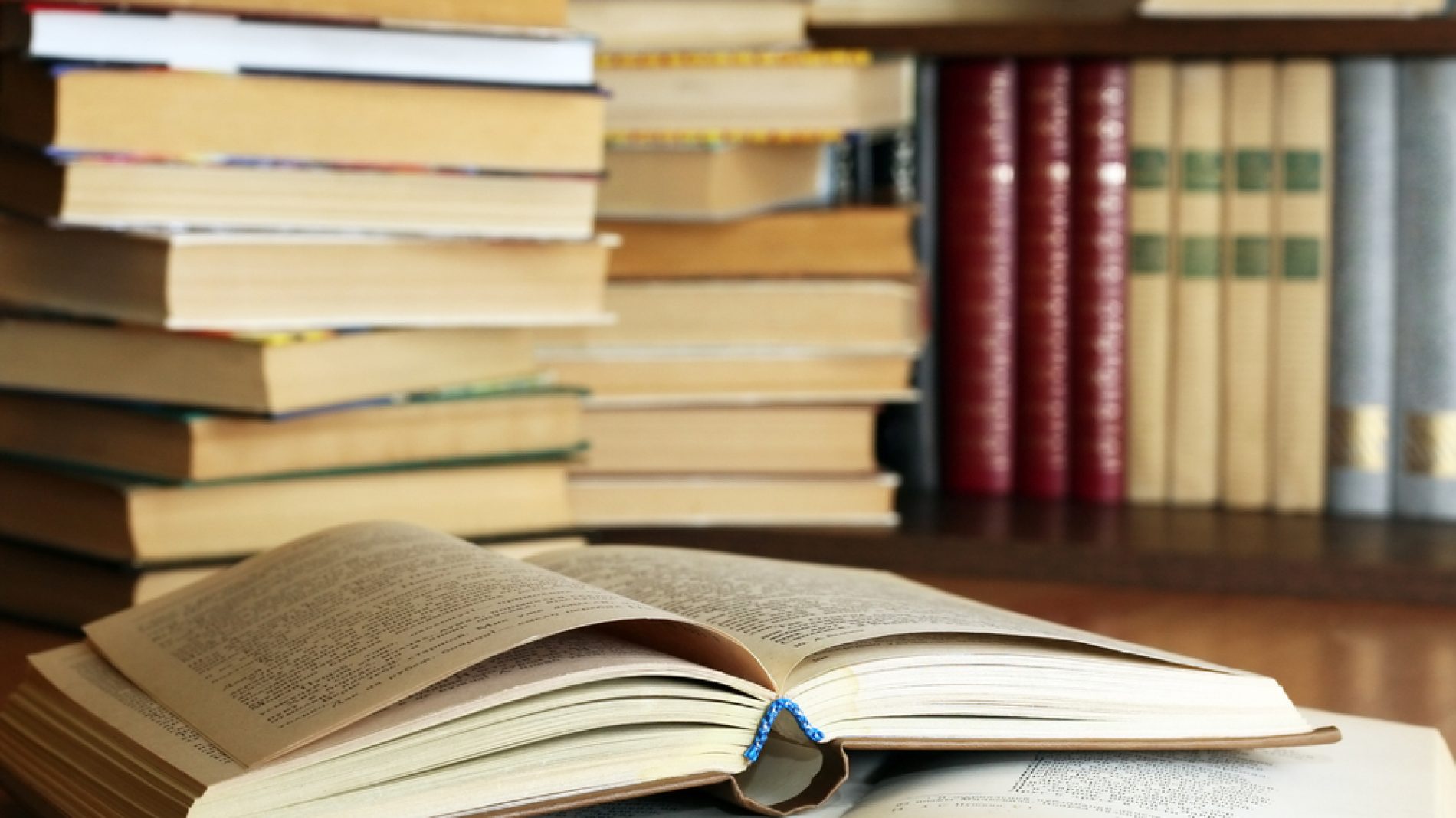
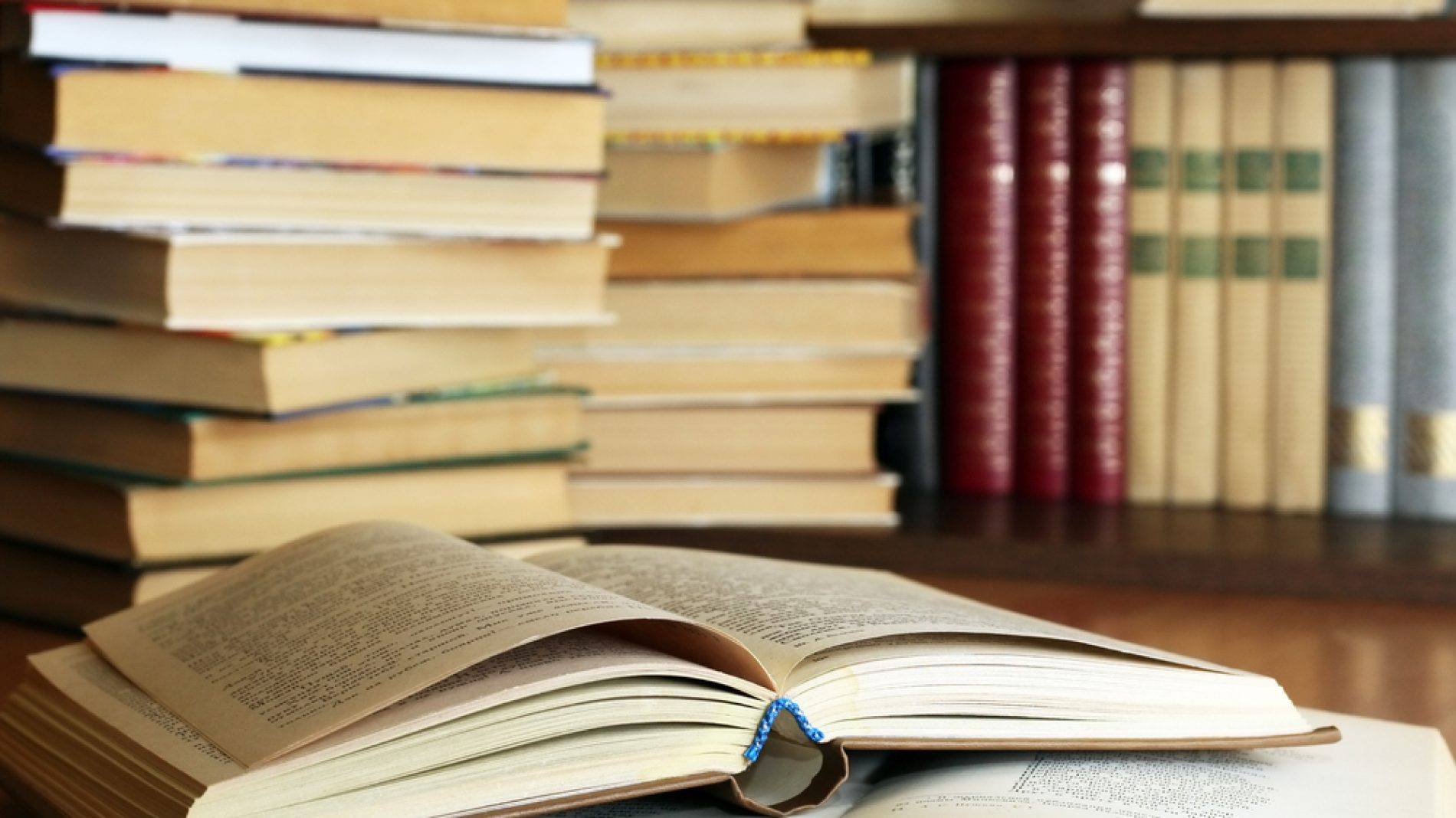
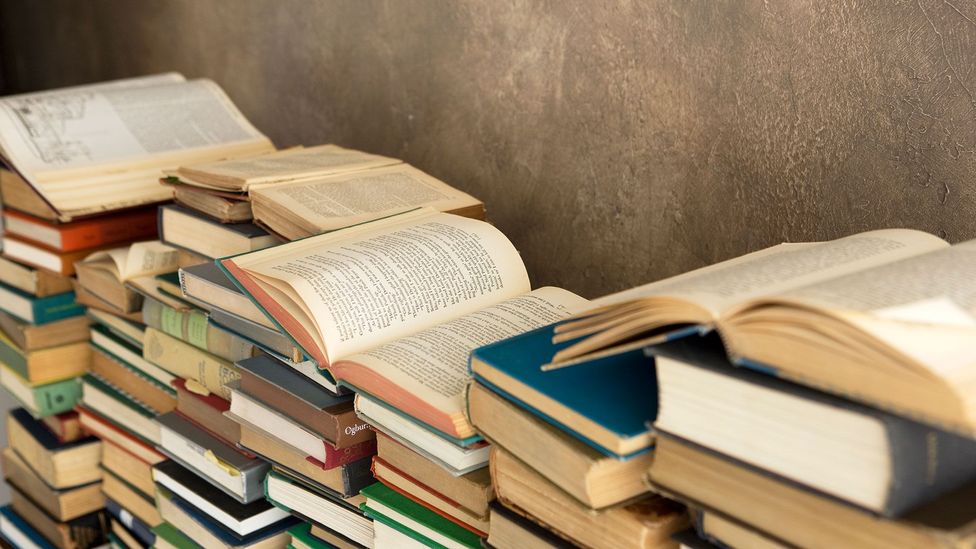
Enter the world of old and new educational books. This innovative approach offers a solution that not only addresses practical needs but also alleviates emotional stress for teachers like Anjali. By providing a mix of gently used books and the latest editions, this platform ensures that students have access to a comprehensive array of resources, catering to varied syllabi and learning styles.
One might wonder, why not just rely on new books? The answer lies in the economic realities faced by many Indian families. New books, while pristine and updated, come with a price tag that can be prohibitive. Old books, on the other hand, offer a more affordable option, but they might lack the latest information. By combining these resources, students can enjoy a balanced education — one that is both affordable and current.
Consider the case of Raj, a high school student from a small town in Uttar Pradesh. Raj dreams of becoming an engineer, but his family’s financial situation poses a constant hurdle. By accessing a mix of old and new books, Raj can study the latest engineering advancements without straining his family's budget. This access empowers him to compete on a level playing field with peers from more privileged backgrounds, giving wings to his aspirations.
Moreover, this approach is environmentally friendly, reducing the carbon footprint associated with printing new books. In a world increasingly conscious of sustainability, reusing books aligns with global efforts to conserve resources, making it a socially responsible choice.
For students and educators alike, this model transcends beyond just access to books. It fosters a love for reading and learning, encouraging exploration and curiosity. Anjali has noticed a change in her classroom. With a wider range of books available, her students are more engaged, their imaginations sparking with each page they turn. The stress of not having enough resources is gradually replaced by the joy of learning.
From a practical standpoint, purchasing old and new educational books online offers convenience. With just a few clicks, educators and students can access a vast collection of textbooks, reference materials, and supplementary readers. This ease of access saves time and effort, allowing educators to focus more on teaching and less on sourcing materials.
In conclusion, the blend of old and new books is more than just a solution — it's a revolution in the educational landscape of India. It addresses the financial constraints faced by many while ensuring that learning is not compromised. As Anjali stands in her classroom, watching her students dive into their books, she knows that each page they turn is a step towards a brighter future.
This is the power of old and new educational books — transforming limitations into opportunities, one book at a time.
This blog post highlights the transformative potential of combining old and new educational books, offering a practical and emotional solution to accessibility and affordability challenges faced by Indian educators and students. Through storytelling and relatable characters, the blog aims to engage readers and promote the importance of this innovative approach to learning.
Visit Vyaparify Site: https://id.vyaparify.com/booktalesbooksstationery
Location: https://maps.app.goo.gl/UFztLdmb2ZckMrw27
Contact Us
162-161, NC Kelkar Road, Budhwar Peth, Pune, Maharashtra 411002


 Select Date