In the bustling city of Surat, known as the textile capital of India, Priya Patel dreams of taking her family-run textile business to new heights. Despite a rich legacy in fabric production, Priya faces a critical issue that stands in the way of her aspirations the complex and often unpredictable dying process.
For Priya, the dying process is not just a step in fabric production; it is the heart of her business. The colors, vibrancy, and quality of her textiles depend heavily on this stage. However, the traditional dying methods her family has used for decades are fraught with challenges. Inconsistent results, high wastage, and environmental concerns often lead to business setbacks and sleepless nights.
Enter the innovative solution of an advanced dying process designed to tackle these very issues. This modern approach offers consistent results, reduced environmental impact, and improved efficiency—a game-changer for entrepreneurs like Priya.
Consistency and Quality A New Era
Imagine a world where every batch of fabric emerges from the dyeing process with uniform color and perfect texture. This is no longer a distant dream for Priya. The advanced dying process utilizes cutting-edge technology to ensure precision and consistency. This means no more re-dyeing batches or dealing with customer complaints about color discrepancies. For Priya, this translates into happier clients and a stronger market reputation.
Sustainability at its Core
Environmental concerns weigh heavily on Priya's conscience. The traditional dying methods her family employed consumed vast amounts of water and discharged pollutants, contributing to the environmental challenges faced by her community. The new dying process, however, is designed with sustainability in mind. It significantly reduces water usage and employs eco-friendly dyes, aligning Priya's business with the global movement towards sustainable production. This not only eases her environmental concerns but also opens up new market opportunities among eco-conscious consumers.
Efficiency and Cost-Effectiveness
Time is money, and in the textile industry, efficiency can make or break a business. The advanced dying process optimizes production timelines, reducing lead times and operational costs. Priya can now focus on innovation and expansion, knowing that her production line is running smoothly and efficiently. Moreover, the cost savings from reduced wastage and improved energy efficiency directly impact her bottom line, providing the financial leverage needed for growth.
The Transformation of Patel Textiles
Let's delve deeper into Priya's journey. Patel Textiles was renowned for its intricate designs and high-quality fabrics, but the inconsistency in the dying process was a thorn in its side. The shift to the advanced dying process was not just a business decision; it was a transformative journey. Within months, Priya noticed a significant reduction in wastage and a marked improvement in fabric quality. Her clients began to notice too, and soon, her business was flooded with orders from new clients attracted by the promise of quality and sustainability.
Moreover, Priya's commitment to sustainability became a unique selling proposition. She was featured in several industry publications, and her story inspired other entrepreneurs to follow suit. Patel Textiles not only survived but thrived, becoming a beacon of innovation and sustainability in the textile industry.
A
For entrepreneurs like Priya, the challenges of the dying process can seem overwhelming. However, by embracing innovation and sustainability, these challenges can be transformed into opportunities for growth and success. The advanced dying process is not just a solution; it is a revolution in textile production. It empowers entrepreneurs to maintain high-quality standards, reduce environmental impact, and achieve operational efficiency.
If you, like Priya, are ready to transform your textile business, consider the benefits of adopting a modern dying process. It might just be the key to unlocking your business's full potential and creating a legacy of success for generations to come.
By weaving storytelling with practical solutions, this blog post not only engages readers but also provides valuable insights into the impact of the dying process on the textile industry.
Visit Vyaparify Site:
https://id.vyaparify.com/chhapai-centerLocation:
https://maps.app.goo.gl/Va8ZdABt9SepkBJv9 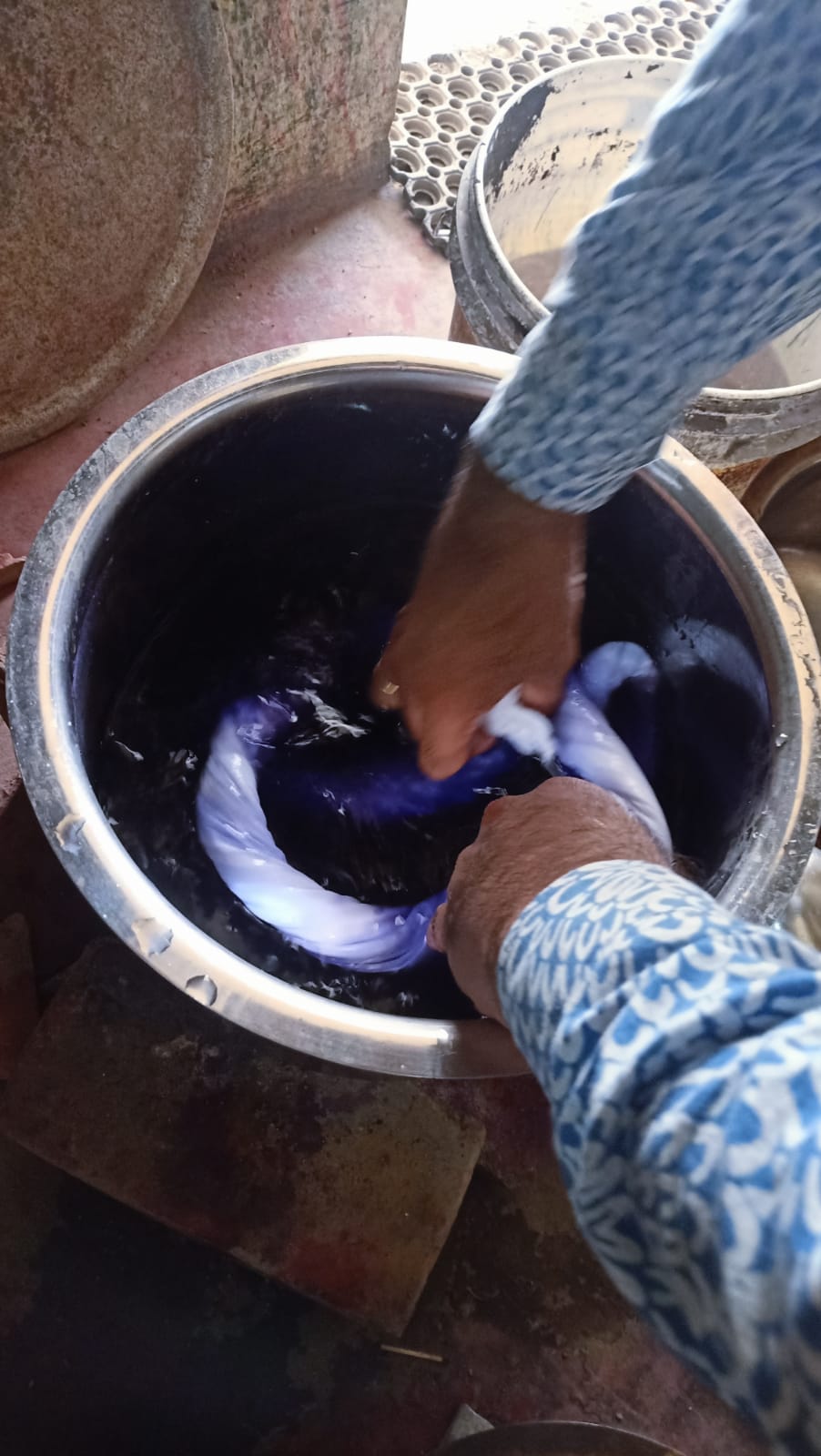

 Go To Homepage