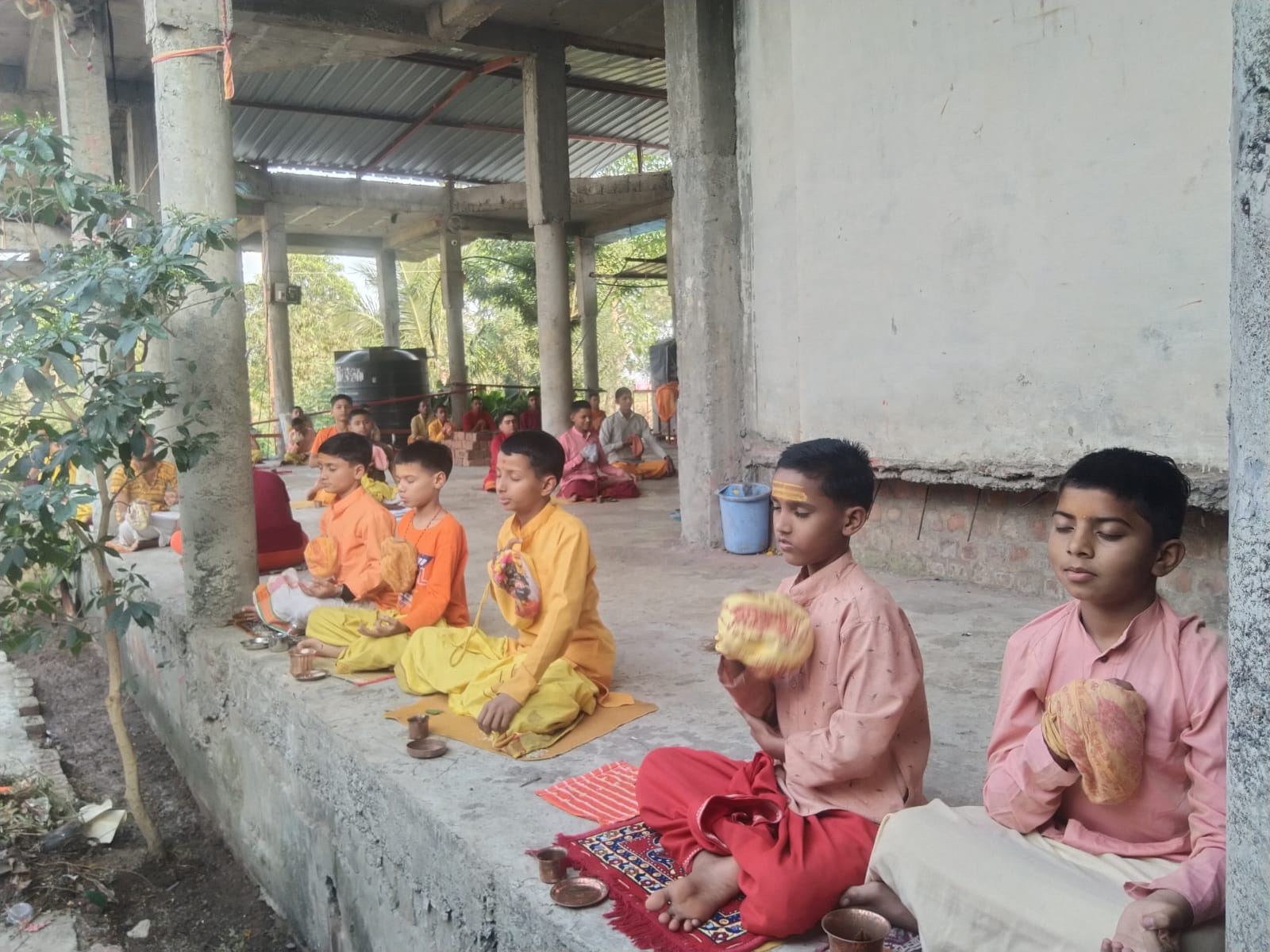
In the heart of India, where cultures intersect and diversity thrives, lies a unique opportunity for transformation. The concept of residential education is emerging as a powerful tool to address the challenges faced by many Indian families. Let me introduce you to Ramesh, a bright young boy from a rural village in Maharashtra. His story is a testament to how residential education can solve one of the major obstacles faced by our youth access to quality education and holistic development.
Ramesh is the eldest of three siblings. His father is a farmer, and his mother manages the household. Despite their hard work, affording a quality education for their children is a constant struggle. The nearest school is miles away, and the daily commute is both time-consuming and expensive. Like many children in rural areas, Ramesh's potential was at risk of being stifled by these practical challenges.
This is where residential education comes into play. By providing a nurturing environment where students can live and learn, residential educational institutions bridge the gap between potential and opportunity. Ramesh's enrollment in a residential school transformed not only his academic prospects but also his entire outlook on life.
The structured environment of a residential school ensures that children like Ramesh receive consistent educational support. With access to qualified teachers, a well-rounded curriculum, and extracurricular activities, these schools offer a comprehensive education that goes beyond textbooks. Ramesh discovered a passion for science, access to a library full of books, and the chance to participate in sports and arts, all of which were previously out of reach.
But the benefits of residential education extend beyond academics. For Ramesh, living in a diverse community of peers from different backgrounds fostered a sense of unity and understanding. He learned the value of teamwork and cultural sensitivity, skills that will serve him well throughout his life. The supportive environment also helped him develop emotional resilience and independence, qualities that are crucial for personal growth.
Consider Lakshmi, another student from Tamil Nadu, who faced similar challenges. Her parents, daily wage workers, could not afford private tuition or extracurricular activities. Lakshmi's enrollment in a residential school opened doors to opportunities she had only dreamed of. With access to dedicated teachers and resources, she excelled in academics and discovered her talent in classical dance. Her story is a powerful reminder that given the right environment, children can flourish beyond their circumstances.
Residential schools also play a critical role in alleviating the burden on parents. By taking on the responsibility of education and care, these institutions allow parents to focus on their livelihoods without the constant worry about their children's future. This holistic approach to education not only benefits the students but uplifts entire communities, breaking cycles of poverty and limited access to opportunities.
For many families, the decision to send their children to a residential school is not just about education; it's about hope for a brighter future. It's about giving their children the tools to dream big and the support to achieve those dreams. Ramesh's parents, initially hesitant, now see the transformation in their son and hold a renewed sense of optimism for their family's future.
In conclusion, residential education is a beacon of hope for countless families in India. By addressing the practical challenges of accessibility and providing a holistic learning environment, these institutions empower children to rise above their circumstances. They nurture not just scholars, but well-rounded individuals ready to contribute to society.
The stories of Ramesh and Lakshmi are not isolated; they are part of a larger movement toward educational equity and empowerment. As more families embrace the potential of residential education, we move closer to a future where every child, regardless of their background, has the opportunity to shine. Let us support and celebrate this journey, knowing that with each transformed life, we build a stronger, brighter India.
By crafting a narrative around real-life examples, this blog post engages readers and highlights the transformative power of residential education, making it a compelling read for those seeking solutions to educational challenges in India.
Visit Vyaparify Site: https://id.vyaparify.com/dandi-sevaaashram
Location: https://maps.app.goo.gl/dfhD1HacUD6x8RkGA

 Go To Homepage