In the heart of India, where the vibrant culture meets the struggles of daily life, there lies a beacon of hope for countless children yearning for a brighter future. This hope is nurtured through the power of residential education, a transformative force that is changing the lives of underprivileged children across the country.
Meet Rajesh, a bright young boy from a small village in Uttar Pradesh. Rajesh's family, like many others, faced the harsh realities of poverty. His parents worked tirelessly as daily wage laborers, barely making ends meet. Despite their hard work, the prospect of providing a quality education for Rajesh seemed like an unattainable dream. The local school was underfunded, with overcrowded classrooms and a lack of resources—a common scenario in rural India.
Rajesh's story is not unique. Across India, millions of children face similar challenges. The lack of access to quality education is a major distinct problem that residential education seeks to solve. This is not just a matter of academics; it is about giving children like Rajesh the opportunity to break free from the cycle of poverty, to dream, and to achieve.
Residential education programs provide a holistic approach to learning. They offer a nurturing environment where children can focus on their studies without the distractions and hardships they face at home. These programs provide not only education but also food, shelter, and emotional support, creating a stable foundation for children to thrive.
For Rajesh, enrolling in a residential education program was a turning point. The comprehensive support system allowed him to focus on his studies without worrying about basic necessities. The dedicated teachers and mentors at the ashram became his guiding lights, instilling in him a love for learning and a sense of self-worth that he had never experienced before.
But Rajesh's story is just the beginning. Consider the impact of residential education on Seema, a young girl from a tribal community in Odisha. Girls in her community were often married off at a young age, their potential unrealized. However, Seema's parents took the bold step of enrolling her in a residential education program. It was a decision that changed her life. Seema not only excelled academically but also became a role model for other girls in her community, advocating for education and empowerment.
The success stories of Rajesh and Seema highlight the profound impact of residential education on children's lives. These programs address the distinct problem of educational inequality by providing a level playing field. They offer children from marginalized backgrounds the opportunity to pursue higher education and secure better job prospects, ultimately contributing to the socio-economic development of their communities.
Furthermore, residential education fosters a sense of community and belonging. Children from diverse backgrounds come together, learning to respect and appreciate each other's cultures and traditions. This environment nurtures empathy, teamwork, and leadership skills, preparing them to be responsible citizens of tomorrow.
In conclusion, residential education is more than just a solution to a problem; it is a lifeline for children like Rajesh and Seema. It is a promise of a better tomorrow, a chance to dream and achieve. As we continue to face the challenges of educational disparity in India, residential education stands as a testament to the power of compassion, resilience, and hope.
For parents seeking a brighter future for their children, residential education offers a pathway to transformation. It is an investment in a child's future, an opportunity to unlock their potential and empower them to rise above their circumstances. Let us embrace and support these programs, for in doing so, we are nurturing the leaders and changemakers of tomorrow.
Visit Vyaparify Site:
https://id.vyaparify.com/dandi-sevaaashramLocation:
https://maps.app.goo.gl/dfhD1HacUD6x8RkGA 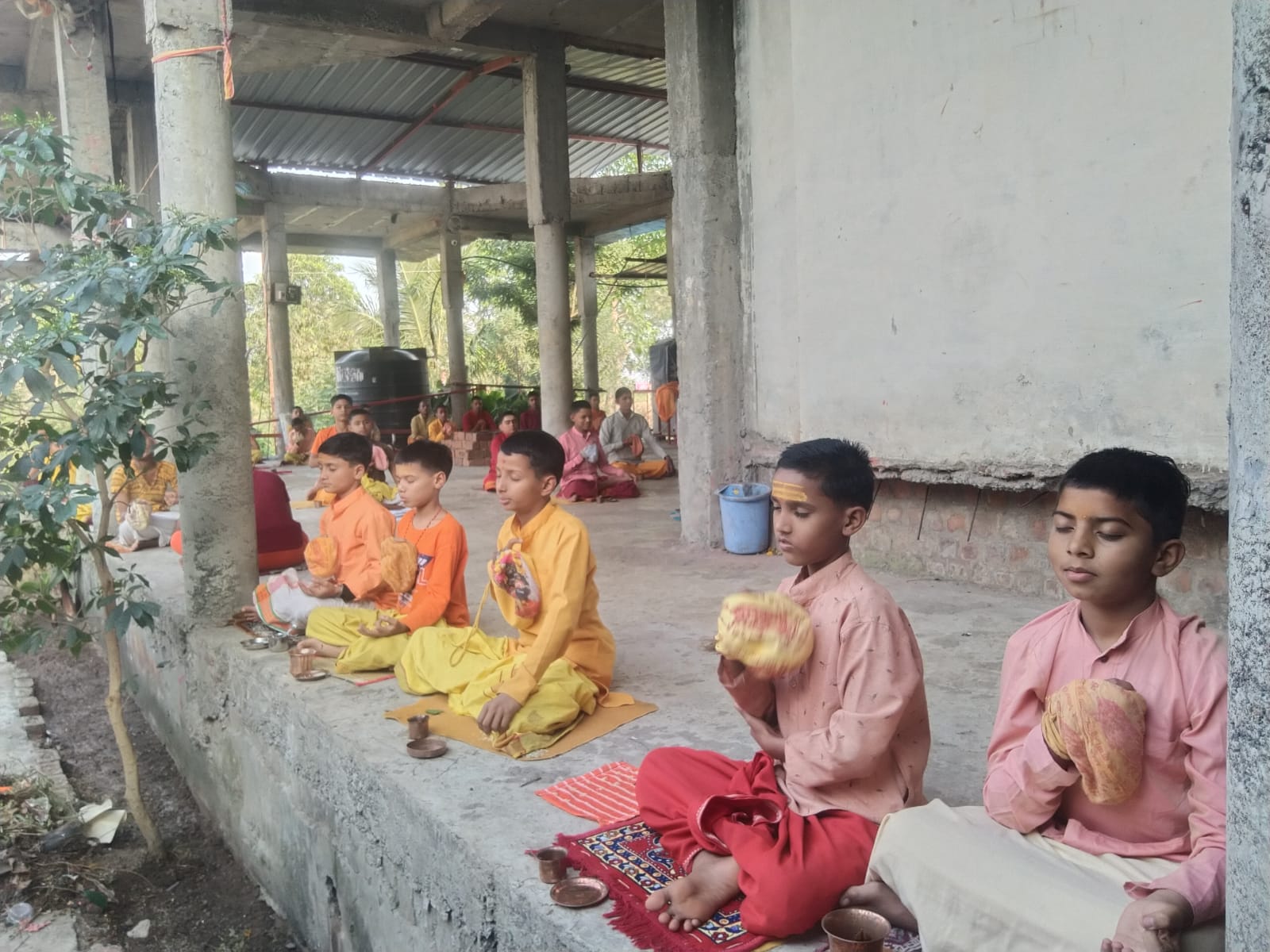

 Go To Homepage