.jpeg)
 Facebook
 Instagram
 Twitter
 Linkedin
In the bustling heart of Mumbai, Priya Sharma, a young architect, sat at her desk, surrounded by blueprints and sketches. Each drawing represented a dream home, a sanctuary for families, yet Priya often felt the frustration of bridging the gap between her clients' visions and the final reality. The traditional 2D plans, though detailed, often left her clients struggling to visualize the end product, leading to uncertainty and, at times, dissatisfaction.
Priya's story is not unique. Across India, countless homeowners and architects face the challenge of translating abstract concepts into tangible living spaces. Enter the world of 3D planning—a revolutionary tool designed to transform the way we design and experience our homes.
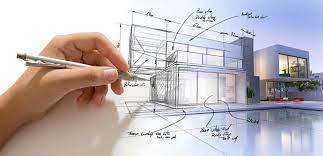
Imagine walking through your future living room, admiring the interplay of light and shadow, or standing in your kitchen, visualizing the flow and functionality of the space. This is the power of 3D planning. It empowers clients like Priya's to see their homes before a single brick is laid. The emotional and practical benefits are immense, turning ambiguity into clarity and dreams into detailed plans.
For Priya, the shift to 3D planning was a game-changer. She recalls a project with the Khanna family, who were deeply invested in creating a home that reflected their love for traditional Indian architecture while accommodating modern amenities. Initially overwhelmed by the technical blueprints, the Khannas found solace in the immersive experience of 3D planning. As they navigated the virtual model of their home, they could visualize the intricate jali designs and the placement of antique furniture, ensuring every detail resonated with their vision.
This shift not only enhanced the Khanna family's confidence in the project but also streamlined the design process. With a clear understanding of the outcome, decision-making became easier, timelines more predictable, and costly design changes were minimized.
The emotional impact of 3D planning is profound. It transforms anxiety into excitement, allowing homeowners to engage with the design process actively. It provides a sense of control, enabling them to make informed decisions and see the immediate impact of changes. For Priya, it meant delivering projects that not only met but exceeded her clients' expectations, fostering trust and satisfaction.
But the benefits of 3D planning extend beyond the emotional realm. Practically, it enhances communication between architects, clients, and builders. Detailed 3D models ensure everyone is on the same page, reducing misunderstandings and errors during construction. This collaborative approach saves time and resources, making it a win-win for all involved.
In the competitive world of architecture and home design, staying ahead of the curve is essential. 3D planning offers a distinct advantage, setting professionals apart by showcasing their commitment to innovation and client satisfaction. For homeowners, it is a tool that transforms aspirations into achievable, detailed plans, ensuring that their dream homes are not just imagined but realized with precision.
As Priya continues to embrace 3D planning, she sees a future where every homeowner can access this transformative tool, turning the age-old dream of a perfect home into a reality. Her journey is a testament to the power of technology in enhancing creativity and satisfaction in home design.
For those embarking on the journey of creating their dream home, 3D planning is more than a tool—it's a bridge to realizing visions with clarity and confidence. Whether you're an architect like Priya or a homeowner like the Khannas, the path to your dream home begins with seeing it come to life, one virtual step at a time.
In conclusion, 3D planning is not just the future of home design; it is the present. And for countless families across India, it is the key to unlocking the door to their perfect homes.
Visit Vyaparify Site: https://id.vyaparify.com/desirearchitect
Location: https://maps.app.goo.gl/RD3CHc1SajnTkyUz8
.jpeg)
Contact Us
City Plaza, Old Mhow Neemuch Bypass,Opp. D Mart, Ratlam


 Website
 Select Date