In the bustling city of Pune, the Gupta family was facing a problem that was all-too-common yet deeply personal. Their home, a place meant to be a sanctuary, had become a source of discomfort and unrest. Despite their best efforts to infuse positivity and warmth, something always seemed off. The energy within their walls was stagnant, and it was affecting their lives in ways they couldn't fully understand.
Anjali Gupta, the matriarch of the family, often noticed arguments erupting over trivial matters. Her husband, Rajesh, found it increasingly difficult to concentrate on his work from home, and their two children, Aryan and Neha, were struggling with their studies. The once vibrant household was now overshadowed by an invisible cloud of tension.
Anjali turned to her trusted friend, Meera, for advice. Meera suggested something Anjali hadn’t considered before — Vastu planning. Intrigued yet skeptical, Anjali began researching this ancient Indian architectural science, which promised to harmonize energies in living spaces.
Vastu planning is not just about aesthetics; it’s about aligning your environment with natural forces to create a balanced and harmonious living space. The science considers various elements like the positioning of rooms, the flow of energy, and the inclusion of the five elements—earth, water, fire, air, and space.
Anjali felt a glimmer of hope. She decided to consult a Vastu expert to explore how these principles could be applied to their home. The expert, a seasoned professional named Ramesh, visited the Gupta household to assess their situation.
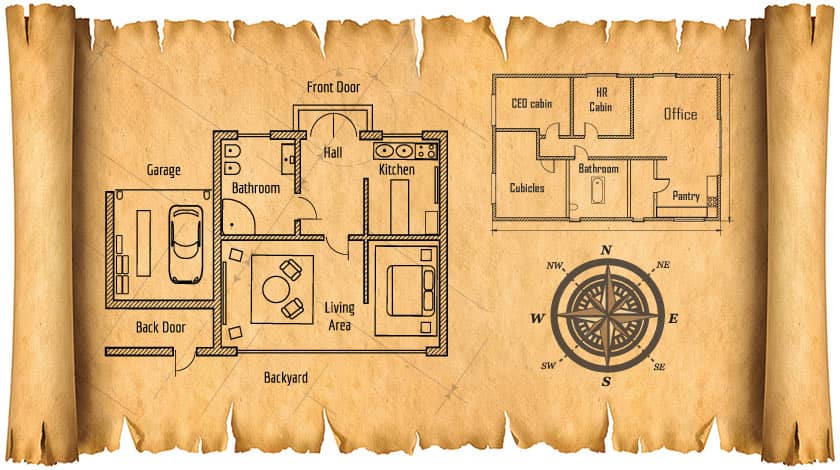
Ramesh’s evaluation revealed several key imbalances in their home. The kitchen, which represents the element of fire, was placed in the wrong direction, causing unnecessary friction among family members. The master bedroom, ideally a place of rest and recuperation, was located in a zone that hindered relaxation and peace.
Upon Ramesh's recommendations, the Guptas made a series of strategic changes. They repositioned their kitchen to the southeast corner, aligning with the direction of fire. The bedroom was moved to the southwest corner, known for fostering stability and tranquility. They also introduced elements like indoor plants and water features to enhance positivity.
The transformation was nothing short of miraculous. Gradually, the atmosphere in the Gupta home began to change. The arguments subsided, and a newfound calm enveloped the family. Rajesh reported improved focus and productivity in his work. Aryan and Neha’s academic performance soared as they found it easier to concentrate on their studies.
Anjali took a moment to reflect on the journey. The changes were not just physical but deeply emotional and psychological. “Our home finally feels like a haven,” she shared, her voice filled with relief and gratitude. “It’s like we’ve been given a fresh start, a chance to build our lives anew on a foundation of harmony and balance.”
The Gupta family’s story is a testament to the transformative power of Vastu planning. It addresses a major problem faced by many families the subtle yet profound impact of an imbalanced living space. Vastu planning offers a practical solution, guiding families towards a harmonious environment that nurtures their well-being.
For those feeling a similar unrest in their homes, consider exploring the principles of Vastu. It’s not just about rearranging furniture or changing the color of your walls; it’s about creating a space that supports and uplifts you, bringing peace and prosperity into your life.
In the end, the Gupta family found more than just a solution to their problem; they discovered a path to a more fulfilling and harmonious life. And it all began with the decision to embrace the ancient wisdom of Vastu planning.
Visit Vyaparify Site:
https://id.vyaparify.com/desirearchitectLocation:
https://maps.app.goo.gl/RD3CHc1SajnTkyUz8