Facebook
 Instagram
 Twitter
 Linkedin
Contact Us
The Heart & Brain Clinic, Flat no. 103, 3rd Floor, Chamanlal Complex, Above Bank of Maharashtra, Sinhgad Road, Pune
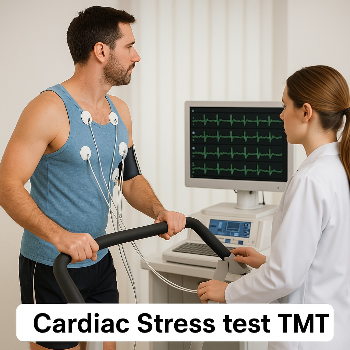
Cardiac Stress Test (TMT) – Comprehensive Description
A Cardiac Stress Test, also known as a Treadmill Test (TMT), is a non-invasive diagnostic procedure used to evaluate the heart’s response to physical exertion. It helps in assessing how well your heart functions when it is made to work harder during exercise, typically performed on a treadmill. This test is especially valuable for detecting coronary artery disease, assessing exercise tolerance, and guiding treatment plans for individuals with heart conditions.
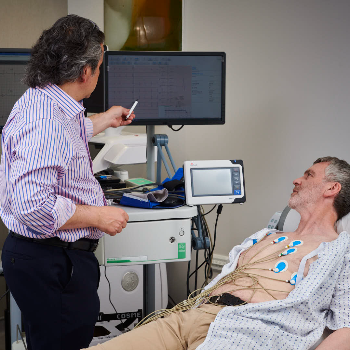
During the test, electrodes are attached to the patient’s chest to monitor the heart’s electrical activity (ECG) while the individual walks on a treadmill. The speed and incline of the treadmill gradually increase to raise the heart rate, simulating the effects of exercise on the cardiovascular system. Throughout the procedure, vital signs such as heart rate, blood pressure, and ECG are continuously monitored.
The TMT helps physicians to:
Detect blockages or reduced blood flow in the coronary arteries
Evaluate the effectiveness of cardiac treatments or medications
Determine a safe level of exercise for patients with existing heart problems
 Select Date Select time