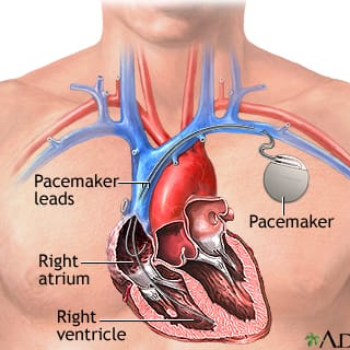
A permanent pacemaker is a small electronic device implanted under the skin to help regulate abnormal heart rhythms, a condition medically known as arrhythmia. It ensures the heart beats at a normal rate and rhythm by sending electrical impulses when it detects that the heartbeat is too slow, irregular, or paused.
How Does a Pacemaker Work?
The pacemaker consists of two main components:
Pulse Generator: Contains the battery and electronic circuitry that controls the rate of electrical impulses.
Leads (Wires): Thin, insulated wires that deliver the electrical signals from the generator to the heart muscles.
The device monitors the heart’s activity continuously and activates only when needed to maintain a healthy rhythm.
Why is a Pacemaker Needed?
Pacemakers are commonly recommended for individuals with:
Bradycardia (slow heart rate)
Heart block (delayed or blocked signals in the heart’s electrical system)
Atrial fibrillation with slow ventricular response
Fainting spells (syncope) due to heart rhythm issues
Procedure Overview
The pacemaker implantation is typically done under local anesthesia and takes about 1–2 hours. The device is placed just below the collarbone, and the leads are guided through a vein into the heart. Most patients can go home the same or next day and resume normal activities within a few weeks.
Benefits of a Permanent Pacemaker
Restores normal heart rhythm
Reduces symptoms like fatigue, dizziness, and fainting
Improves quality of life
Increases survival in patients with severe rhythm disorders
 Go to homepage