Facebook
 Instagram
 Twitter
 Linkedin
Contact Us
The Heart & Brain Clinic, Flat no. 103, 3rd Floor, Chamanlal Complex, Above Bank of Maharashtra, Sinhgad Road, Pune
Pre-operative cardiac fitness involves evaluating a patient's heart health before surgery to ensure the heart can handle the stress of the procedure. Key aspects include:
Cardiac Risk Assessment: Reviewing medical history, lifestyle, and existing heart conditions to assess surgery risks.
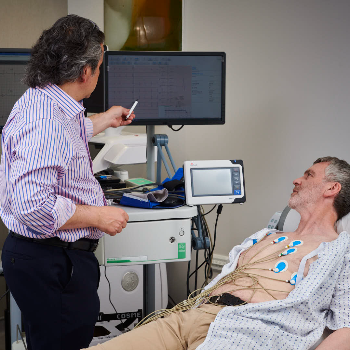
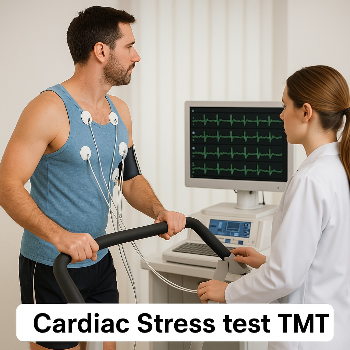
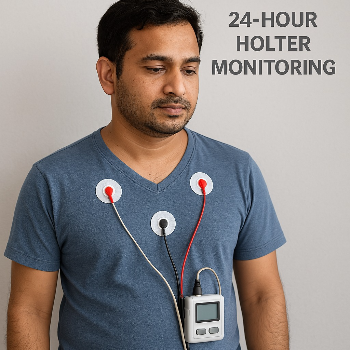
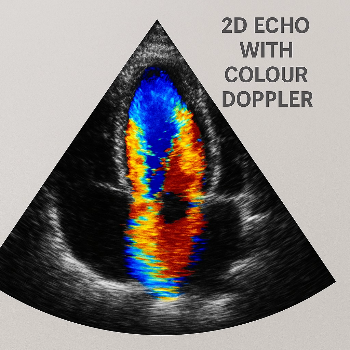
Diagnostic Tests: Tests like ECG, echocardiogram, stress test, blood tests, and chest X-rays provide detailed insights into heart function.
Managing Existing Conditions: Optimizing the management of any pre-existing heart conditions, such as controlling blood pressure or treating coronary artery disease.
Optimization of Cardiac Function: Using medications, exercise, and lifestyle changes to improve heart health before surgery.
Anesthesia Risk Assessment: Working with an anesthesiologist to assess how anesthesia might affect heart function.
Prevention of Cardiac Events: Reducing the risk of heart attacks, arrhythmias, or strokes during and after surgery by ensuring the heart is in optimal condition.
This process helps reduce complications, improve recovery, and increase the chances of a successful surgery outcome.
 Select Date Select time