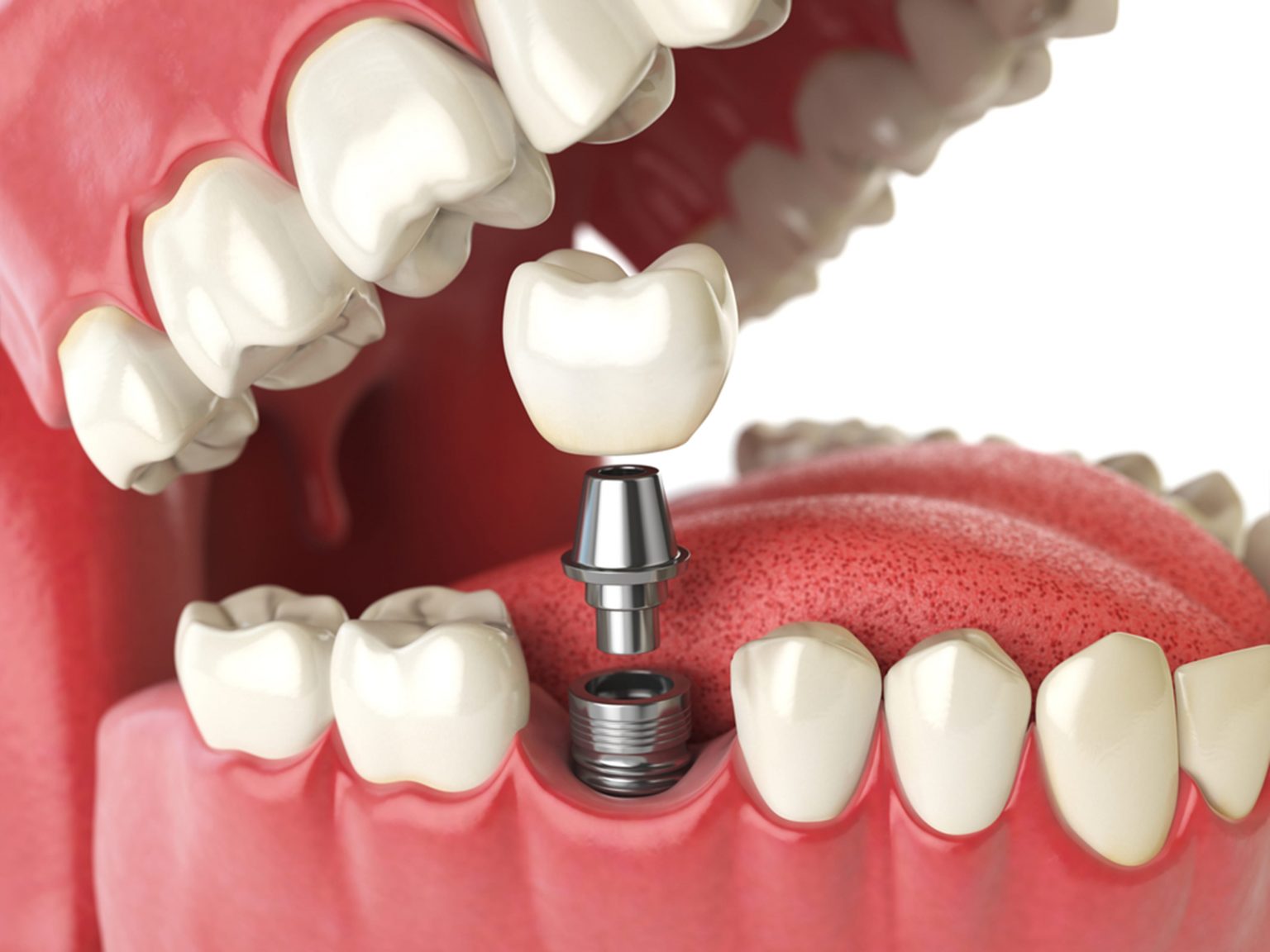
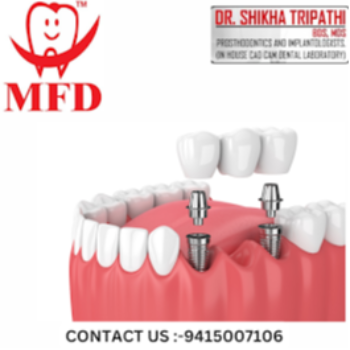
Advanced implant surgery encompasses a range of techniques used in modern dentistry to replace missing teeth with dental implants, often in cases where traditional methods might not be suitable. These techniques include immediate implant placement, immediate loading, bone grafting, sinus lifts, and the use of computer-guided surgery and other advanced technologies.
Key aspects of advanced implant surgery:
• Immediate Implant Placement and Loading: This technique involves placing the implant and often attaching a temporary crown on the same day, potentially reducing treatment time.
• Bone Grafting and Sinus Lifts: Procedures like bone grafting and sinus lifts are used to augment the jawbone when there is insufficient bone volume for traditional implant placement.
• Computer-Guided Surgery: This involves using 3D imaging and surgical guides to precisely plan and execute the implant placement, potentially leading to greater accuracy and reduced invasiveness.
• Advanced Technologies: Techniques like Piezosurgery (bone cutting with ultrasonic vibrations) and the use of CAD/CAM (computer-aided design/computer-aided manufacturing) for creating customized abutments and surgical guides are becoming increasingly common.
• Biocompatible Materials and Regenerative Solutions: Advances in materials science allow for the use of biocompatible materials for implants, and regenerative solutions like stem cell therapy are being explored to enhance bone regeneration.
• AI and Robotics: Artificial intelligence and robotics are also emerging as tools in implant dentistry, with AI algorithms assisting in treatment planning and robotic systems potentially guiding the surgical procedure.
Benefits of Advanced Implant Surgery:
• Improved Aesthetics and Functionality: Advanced techniques can achieve better aesthetic outcomes and restore natural chewing function.
• Reduced Treatment Time: Immediate loading and other techniques can shorten the overall treatment timeline.
• Minimally Invasive Procedures: Computer-guided surgery and other advanced techniques can lead to less invasive procedures with reduced discomfort and faster healing.
• Greater Predictability and Success: Advanced planning and techniques can improve the predictability and success rates of implant procedures.
Important Considerations:
• Diagnosis and Treatment Planning: Accurate diagnosis and meticulous treatment planning are crucial for successful implant surgery.
• Patient Selection: The suitability of advanced techniques depends on individual patient factors and the specific clinical situation.
• Cost: Advanced implant procedures can be more expensive than traditional methods.
By utilizing these advanced techniques and technologies, dentists can offer patients more predictable, less invasive, and aesthetically pleasing solutions for tooth replacement.