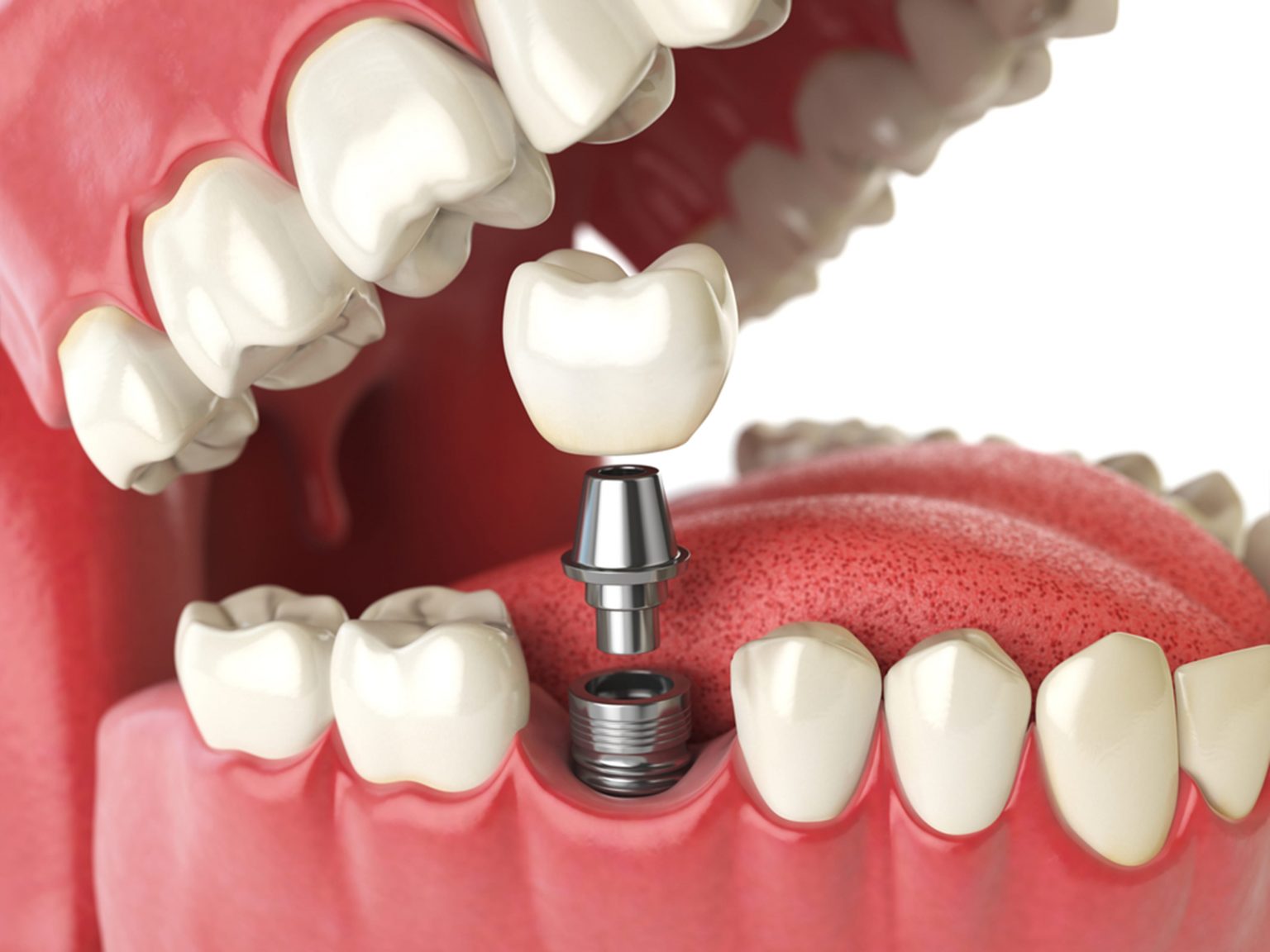
Yes, it is possible to get fixed teeth (dental implants) in 72 hours through a procedure called immediate loading or basal implantology. This technique allows for the placement of implants and the attachment of temporary or permanent crowns within 72 hours of tooth extraction or in cases where teeth are already missing.
Elaboration:
Traditionally, dental implants require a healing period of several months (osseointegration) before the final restoration can be placed. However, immediate loading or basal implant techniques bypass this extended waiting period. [1, 1, 2, 2, 4, 4, 5, 6, 7]
How it works:
• Basal Implants: These implants are designed to anchor into the denser, cortical bone (the outer layer of the jawbone) rather than relying solely on the softer, cancellous bone.
• Immediate Loading: The implants are placed, and a temporary or permanent crown is attached shortly after, allowing patients to have functional teeth within 72 hours.
Benefits:
• Reduced Treatment Time: The most significant benefit is the dramatic reduction in the overall treatment time, eliminating the need for multiple visits and long healing periods.
• Immediate Function: Patients can eat, speak, and smile with confidence from day one, as the implants are immediately functional.
• May be Suitable for Patients with Bone Loss: Basal implants can sometimes be an option for patients with bone loss, as they utilize the cortical bone.
• Cost-Effective: In some cases, this technique can be more cost-effective than traditional implants due to reduced treatment time and fewer appointments.
Important Considerations:
• Not all patients are candidates: The suitability of immediate loading or basal implants depends on factors like the patient's overall oral health, jawbone structure, and the specific case.
• Requires specialized expertise: The procedure should be performed by an experienced implantologist with expertise in this technique.
• Follow-up care is still essential: Regular check-ups and proper oral hygiene are crucial for the long-term success of the implants.