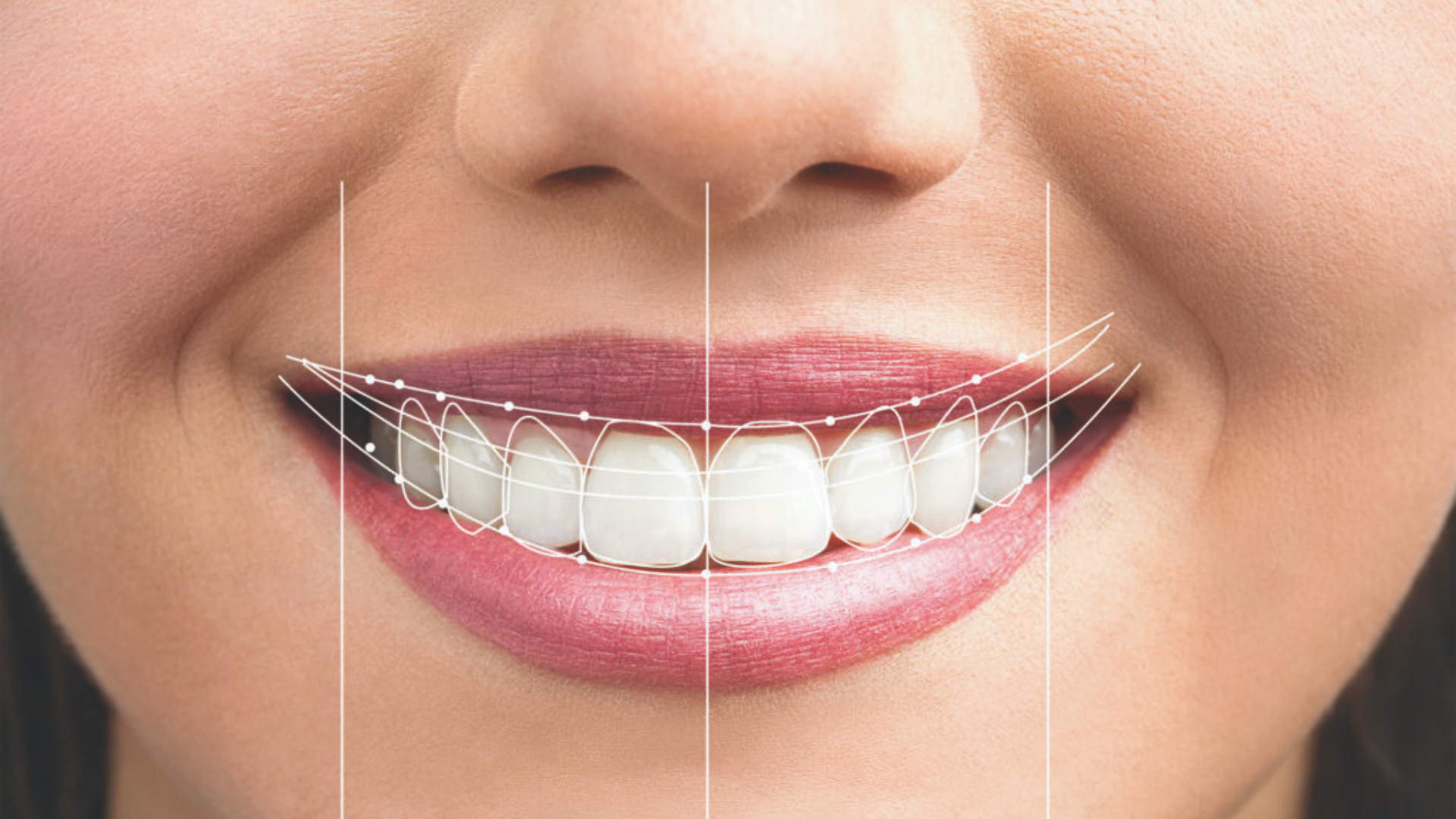
Smile design, also known as a smile makeover, is a personalized cosmetic dental procedure that aims to enhance the appearance of a patient's smile by addressing imperfections and creating a harmonious, natural-looking result. It involves a combination of various dental treatments tailored to the individual's unique facial features, dental health, and aesthetic goals.
Key aspects of smile design:
• Comprehensive approach: Smile design is not just about one procedure, but a combination of treatments like veneers, teeth whitening, bonding, orthodontics, and sometimes even dental implants or gum contouring.
• Personalized treatment plan: The dentist analyzes the patient's facial structure, tooth proportions, gum line, and lip line to create a customized plan.
• Aesthetic and functional goals: Smile design aims to improve both the appearance and functionality of the teeth, ensuring a healthy and aesthetically pleasing smile.
• Restoring confidence: A beautiful smile can significantly boost a person's self-esteem and confidence, positively impacting their social interactions and overall well-being.
Common procedures used in smile design:
• Veneers: Thin shells of porcelain or composite material that are bonded to the front surface of teeth to improve their shape, color, and alignment.
• Teeth whitening: A procedure to lighten the shade of the teeth, removing stains and discoloration.
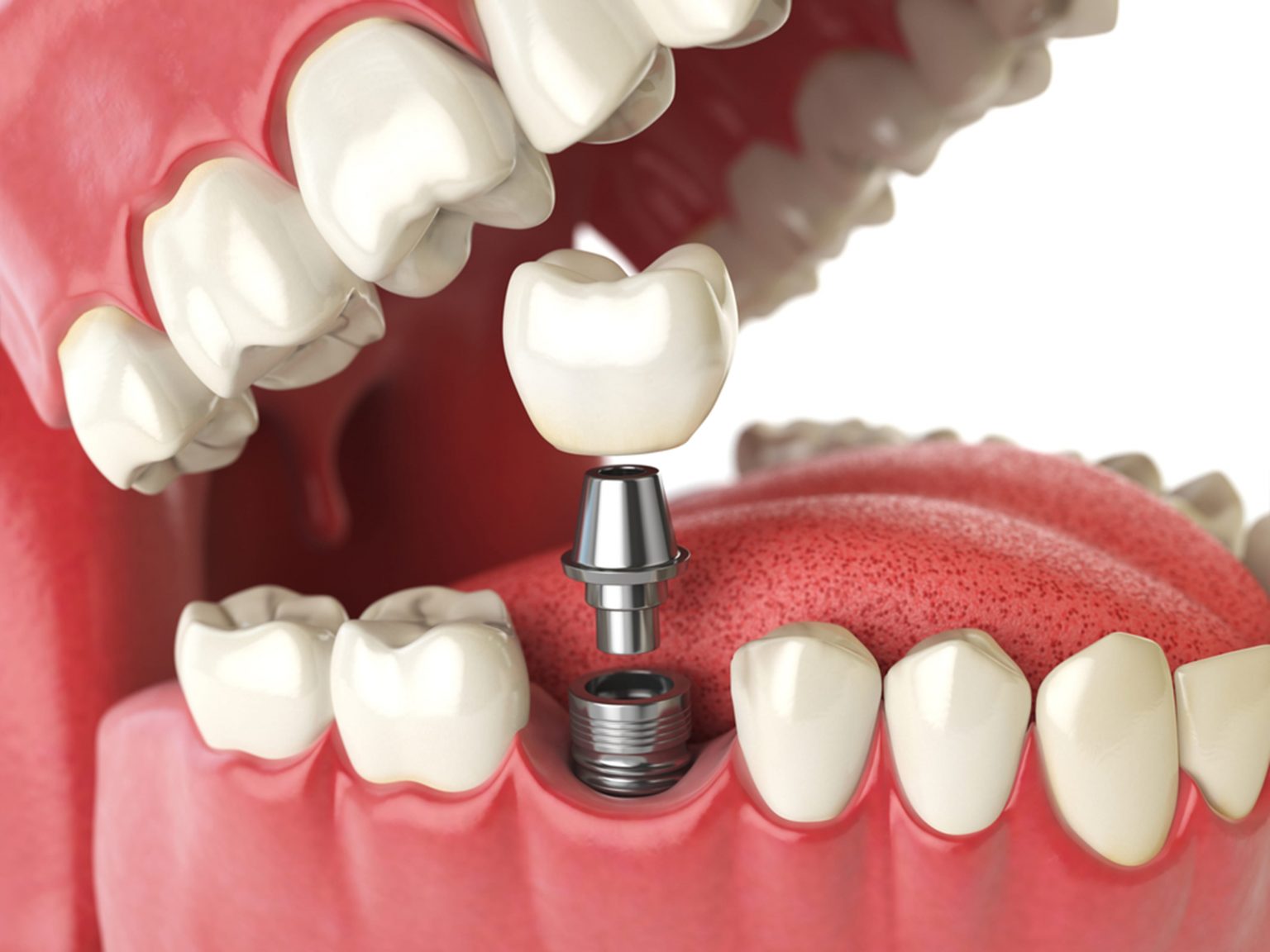
• Dental implants: Artificial tooth roots that are surgically placed into the jawbone to replace missing teeth.
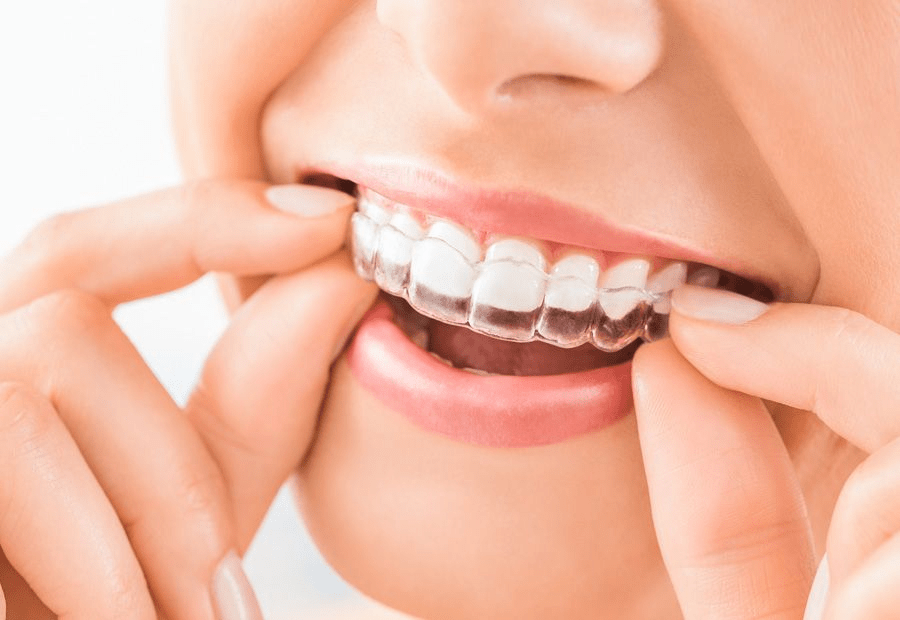
• Orthodontics: Procedures like braces or aligners to correct misaligned teeth and improve bite issues.
• Gum contouring: Reshaping the gum line to create a more balanced and aesthetically pleasing smile.
• Enamel shaping: Removing or contouring enamel to correct minor imperfections like jagged edges or overlaps.
• Composite bonding: Applying a tooth-colored composite resin to repair chips, cracks, or gaps in teeth.
Digital Smile Design:
• Digital Smile Design (DSD) is a modern approach that utilizes digital tools and technology to plan and visualize the desired smile makeover.
• It allows for greater patient involvement in the design process, enabling them to collaborate with the dentist to achieve their ideal smile.
In summary, smile design is a sophisticated process that combines art and science to create beautiful, natural-looking smiles. By addressing various dental imperfections and considering individual needs, it helps patients achieve a confident and radiant smile they can be proud of.