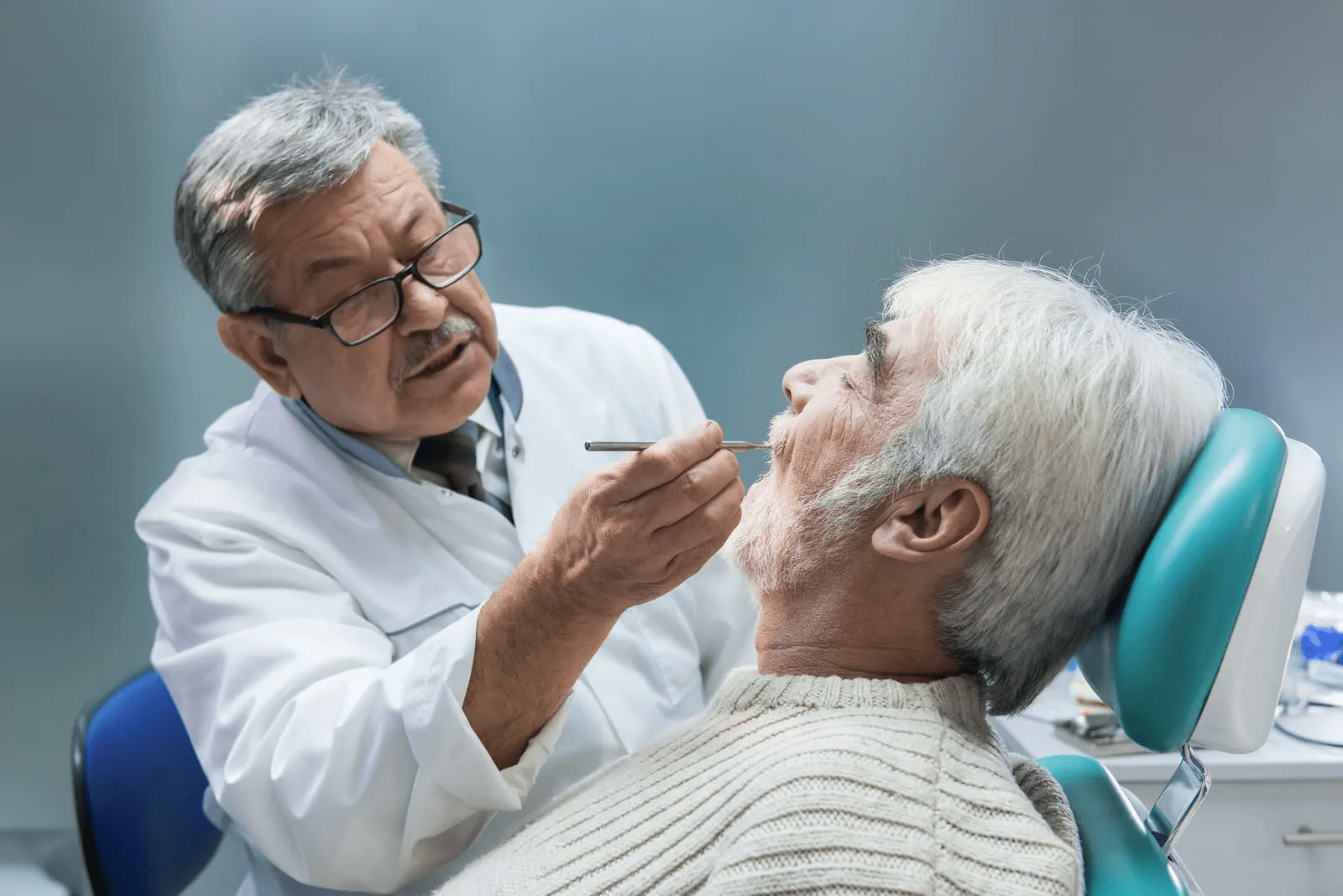
Specialized dental care for seniors and medically compromised patients involves tailored approaches to address the unique oral health needs and potential risks associated with aging and underlying medical conditions. This includes geriatric dentistry, which focuses on the oral health of older adults, and specialized care for patients with conditions like dementia, compromised immunity, or other systemic diseases.
Geriatric Dentistry:
• Focus: Addresses the specific dental needs of older adults, considering age-related changes in teeth and gums, as well as the potential impact of systemic diseases and medications. [3, 3, 5, 5, 6, 7, 8]
• Key Considerations:
• Increased risk of tooth decay due to factors like gum recession and dry mouth.
• Periodontal disease (gum disease) is more prevalent in older adults and can affect overall health.
• Potential for medication-related oral health issues, such as dry mouth from medications.
• Need for more frequent dental checkups and preventive care.
• Possible challenges with oral hygiene due to decreased dexterity or cognitive impairment.
Dental Care for Medically Compromised Patients:
• Definition: Medically compromised patients are individuals with impaired health status due to systemic diseases or conditions that can affect dental treatment.
• Examples: Patients with conditions like heart disease, diabetes, kidney disease, compromised immune systems, or those undergoing cancer treatment.
• Special Considerations:
• Collaboration with Physicians: Essential to share medical records and coordinate care with primary care physicians and specialists.
• Medication Management: Careful consideration of medication interactions and potential side effects on oral health.
• Anesthesia and Sedation: May be necessary for patients with anxiety or those who require complex procedures.
• Monitoring: Requires close monitoring during treatment due to potential risks and complications.
• Home Care: Tailored oral hygiene instructions and support for patients with limited mobility or cognitive impairment.
• Domiciliary Dental Care (DDC): May be necessary for patients with limited mobility or access to traditional dental settings.
• Challenges:
• Increased complexity of treatment planning and execution.
• Potential for longer appointment times and increased costs. [
• Need for specialized knowledge and skills among dental professionals.
• Importance of patient education and empowerment to manage oral health. [
Domiciliary Dental Care (DDC):
• Definition: Dental care provided in the patient's residence, often for frail or medically compromised individuals who cannot access traditional dental settings.
• Benefits:
• Improved access to care for vulnerable populations.
• Reduced risk of infection and complications associated with travel and hospital visits.
• Enhanced patient comfort and well-being.
• Examples:
• Providing routine dental checkups and cleanings at nursing homes or assisted living facilities.
• Delivering emergency dental care to homebound patients.
• Offering denture care and adjustments in the patient's residence.
Overall Importance:
• Specialized dental care for seniors and medically compromised patients is crucial for maintaining oral health, preventing complications, and improving overall well-being.
• It requires a multidisciplinary approach, involving collaboration between dental professionals, physicians, and other healthcare providers.
• By addressing the unique needs of these patients, we can promote healthy aging and improve their quality of life.