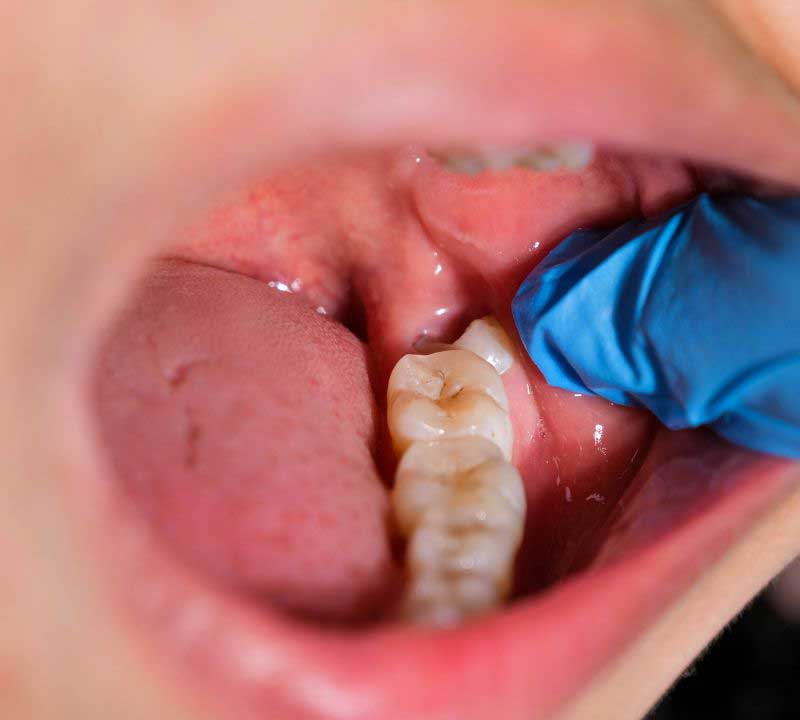
Laser-assisted wisdom tooth removal is a technique that utilizes lasers to minimize pain, bleeding, and swelling during and after the procedure. While it's often described as "painless," some discomfort or pain is still possible, but generally less than with traditional methods.
Here's a breakdown of laser-assisted wisdom tooth removal:
• How it works: Lasers can cut, vaporize, or remove tissue with heat, often sealing nerve endings and blood vessels simultaneously, which can reduce pain and bleeding.
• Benefits:
• Reduced pain and swelling: Lasers can minimize trauma to surrounding tissues, leading to less postoperative pain and swelling.
• Less bleeding: The sealing effect of lasers on blood vessels can result in a relatively bloodless surgical field.
• Faster healing: Minimally invasive techniques with lasers can lead to quicker recovery times.
• Limitations:
• Not universally applicable: Laser extraction might not be suitable for all cases, particularly those with impacted or severely misaligned wisdom teeth. The best approach is determined by a dentist or oral surgeon based on individual needs.
• Potential for discomfort: Although typically less painful than traditional methods, some discomfort or pain after the procedure is still possible.
General wisdom tooth removal information:
• Consultation: Before any wisdom tooth removal, a consultation with a dentist or oral surgeon is necessary to assess the situation, discuss potential risks and complications, and determine the best course of action.
• Anesthesia: Local anesthesia is commonly used to numb the area during the procedure, minimizing pain during the extraction.
• Post-operative care: Following extraction, pain medication and ice packs may be recommended to manage any discomfort and swelling.
• Recovery: Most patients experience some degree of swelling and discomfort after the procedure, which typically subsides within a few days.
In summary, laser-assisted wisdom tooth removal offers a potentially less painful and less invasive approach, but it's crucial to have a thorough consultation with a dental professional to determine the most appropriate treatment plan for your specific situation.