In the bustling city of Kolkata, amidst the cacophony of traffic and the vibrant hues of street markets, lives a woman named Meera. Like many urban dwellers, Meera is caught in the whirlwind of modern life. Her home, a sleek, contemporary apartment, is a reflection of her busy lifestyle — minimalist and efficient, yet somehow lacking the warmth and character she yearns for.
Meera's story is not unique. Across India, many like her face the challenge of creating a living space that is not only functional but also resonates with a rich cultural heritage. Enter Dokra Art, an ancient craft that offers a solution to this modern dilemma.
Dokra Art, with its origins tracing back over 4,000 years, is a metal casting practice that has remained relatively unchanged, preserving its cultural significance. This art form is celebrated for its intricate designs and unique aesthetic, which seamlessly blend into both traditional and contemporary settings. For individuals like Meera, Dokra Art offers the perfect antidote to the sterile environment of modern interiors.
One weekend, during a leisurely stroll through a local art fair, Meera stumbled upon a stall showcasing a stunning collection of Dokra artifacts. The intricate details and rustic charm of the pieces immediately captivated her, and she found herself drawn to a particular sculpture of a tribal dancer. It was as if the piece spoke to her, offering a glimpse into a world rich with stories and history.
As she chatted with the artisan, Meera learned about the painstaking process behind each creation — the craftsmanship passed down through generations, the labor of love etched into every curve and contour. This connection to tradition resonated deeply with her, and she realized that Dokra Art was more than just decor; it was a bridge to her heritage.
The purchase of that single Dokra sculpture marked a turning point for Meera. It became the focal point of her living room, infusing the space with warmth and a sense of identity. As friends and family visited, they too were drawn to the piece, sparking conversations about Indian art and culture.
Emboldened by the transformation, Meera began to incorporate more Dokra pieces into her home. A pair of elegant candle holders graced her dining table, while a set of delicate jewelry boxes adorned her vanity. Each piece, with its own story and spirit, added layers of texture and meaning to her home.
But the impact of Dokra Art went beyond aesthetics. For Meera, it was an emotional journey, a reconnection with her roots. It offered her a sense of pride and belonging, a way to honor her heritage while remaining firmly planted in the present.
The allure of Dokra Art lies not only in its beauty but also in its ability to solve a common problem faced by modern homeowners like Meera — the challenge of creating a space that is both contemporary and culturally rich. By integrating Dokra Art into their homes, individuals can achieve a harmonious balance that celebrates both tradition and modernity.
As more people discover the transformative power of Dokra Art, its popularity continues to grow, breathing new life into ancient crafts and supporting the artisans who keep these traditions alive.
In today’s fast-paced world, where the lines between past and present often blur, Dokra Art stands as a testament to the enduring power of heritage. It bridges the gap between ancient history and modern design, offering a solution to those seeking to enrich their homes with authenticity and warmth.
For those like Meera, Dokra Art is more than just a decorative choice; it is a celebration of culture, a connection to the past, and a promise of a more meaningful future. Through the eyes of Dokra, Meera found a way to transform her home into a sanctuary of tradition and modernity, and so can you.
Visit Vyaparify Site:
https://id.vyaparify.com/eastside-stories 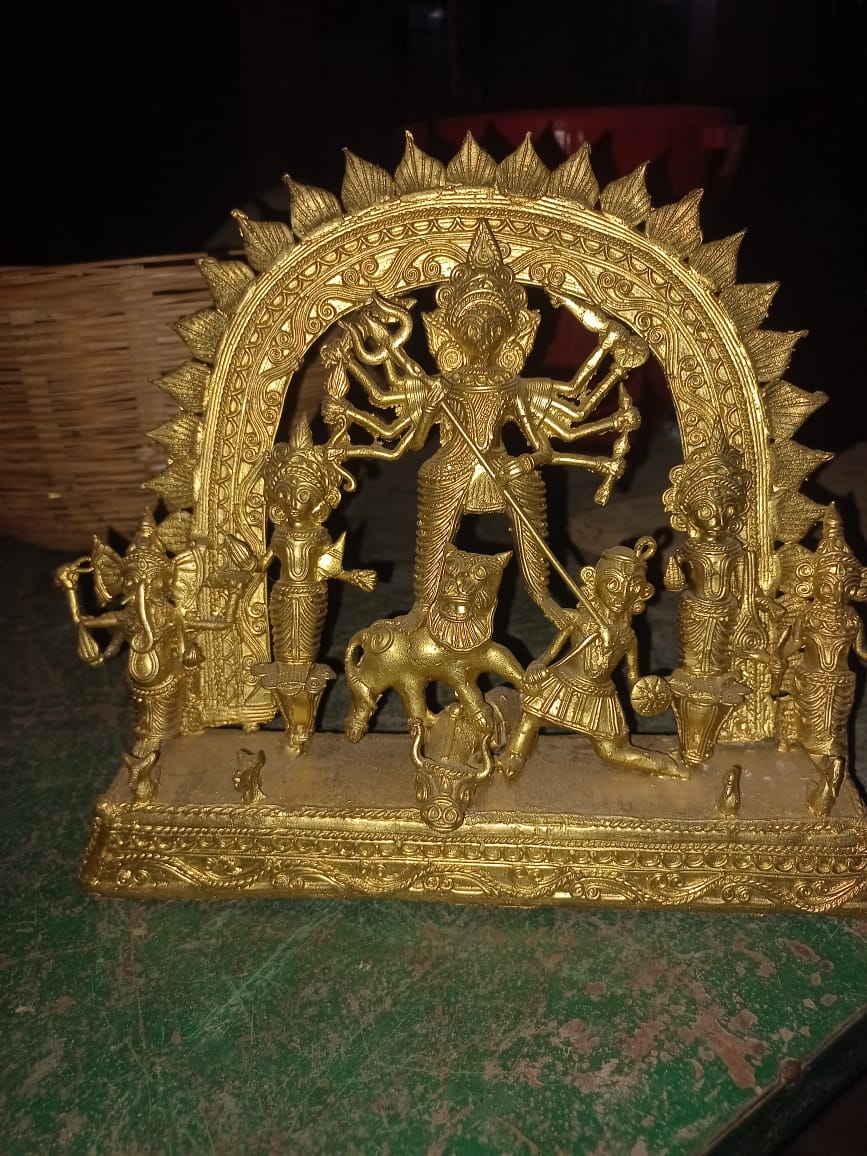

 Go To Homepage