Facebook
 Instagram
 Twitter
 Linkedin
In the bustling heart of India, where tradition meets modernity, women are emerging as powerful contributors to the economy. Yet, a significant number of them are still confined to the roles dictated by age-old customs and societal expectations. Among these women, there's a familiar story — a story of dreams and aspirations that often remains unfulfilled due to lack of opportunities. Today, however, the narrative is changing, thanks to initiatives dedicated to providing employment to women.
Meet Meera, a 28-year-old woman from Jaipur, who, like many others, had her life charted out by her circumstances. Her days were filled with household chores, and her dreams were tucked away behind the responsibilities that society imposed on her. Yet, beneath the surface, Meera harbored a longing to contribute to her family's income and to carve out an identity of her own.
The major problem Meera faced was not just financial dependency but also an emotional struggle for self-worth and acknowledgment. This is where organizations focusing on providing employment to women come into play, offering not just job opportunities but a chance at self-discovery and empowerment.
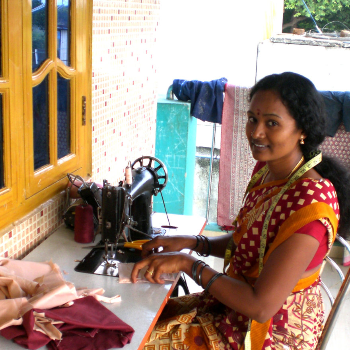
When Meera was introduced to a local initiative aimed at employing women in sustainable crafts, her life took a turn for the better. These organizations understand that the first step toward empowerment is skill development. They offer training sessions in various crafts, tailoring, and even digital literacy programs, equipping women with the tools they need to succeed in today’s job market.
For Meera, the transformation was profound. She learned the art of crafting beautiful, eco-friendly bags. With each stitch, she wove her dreams into reality, gaining not only financial independence but also a renewed sense of self-esteem and pride. The emotional upliftment was as significant as the financial one. She was no longer just a daughter or a wife; she was an artisan, a breadwinner, a role model for her daughters.
The impact of such employment opportunities extends beyond individual empowerment. It fosters an environment of change within communities. Consider the case of Rekha from a small village in Haryana. Rekha was part of a group of women who learned to create handmade jewelry, which became popular in urban markets. As their business grew, so did their influence. Rekha and her peers became advocates for education and equality in their village, using their earnings to fund local school improvements and awareness programs.
The ripple effect of empowering women through employment is undeniable. It not only changes the lives of the women involved but also transforms the mindsets of those around them. Families begin to see the value of educating their daughters, communities witness the potential of women as economic contributors, and societies slowly shift toward more equitable norms.
For businesses and organizations looking to make a meaningful impact, investing in women’s employment initiatives is a step toward sustainable development. It addresses practical issues like poverty and unemployment while also tackling emotional issues like self-worth and societal standing.
In the digital age, where information and opportunities are just a click away, raising awareness about such initiatives is crucial. Through storytelling and sharing success stories, we can inspire more women to step out and seize the opportunities that await them.
In conclusion, the journey from home to workplace for women like Meera and Rekha is not just about earning a livelihood. It's about empowerment, self-discovery, and inspiring change. By supporting and promoting employment opportunities for women, we can help rewrite countless stories, turning dreams into reality, one job at a time.
Let us champion these initiatives and be a part of the movement that uplifts women, strengthens families, and builds stronger, more inclusive communities. Together, we can create a future where every woman has the chance to shine, both at home and in the workplace.
Visit Vyaparify Site: https://id.vyaparify.com/ek-nari-ghar-ki-beti-welfare-foundation


Contact Us
191,Air Port Road Near Axis Bank ATM Nagpur Chwl Yerwada Pune - 411006 Maharashtra India


 Select Date