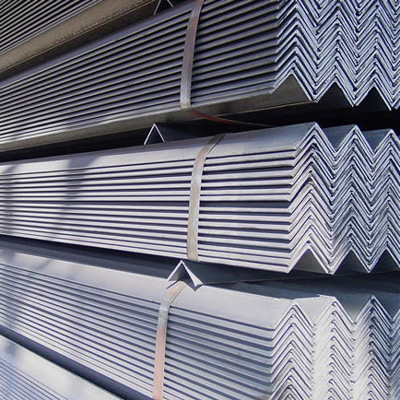
In the bustling streets of Mumbai, construction sites are as common as the aroma of freshly brewed chai. Amidst this urban symphony, a silent hero plays a pivotal role in shaping the skylines of India—iron angles. These unassuming yet mighty components have become indispensable for engineers like Rajesh, whose dreams of building robust infrastructures hinge on their reliability.
Rajesh, a seasoned civil engineer, has dedicated his life to transforming blueprints into realities. His journey has been nothing short of a roller coaster, filled with challenges that test the mettle of even the most experienced professionals. One such challenge was the need for a versatile yet sturdy material that could withstand the test of time and the elements.
Enter iron angles. These L-shaped bars may appear modest, but they are a game-changer in the world of construction. For Rajesh, they offered a solution to a persistent problem ensuring structural integrity without compromising on design flexibility. Whether it's building bridges, erecting skyscrapers, or crafting innovative architectural marvels, iron angles have become an indispensable ally.
Imagine the scenario Rajesh was tasked with overseeing the construction of a new residential complex in Pune. The project was ambitious, featuring a modern design that required both aesthetic appeal and structural soundness. As he pored over the plans, he realized that traditional materials would not suffice. The pressure was mounting—deadlines loomed, and the client’s expectations were sky-high. That's when Rajesh turned to iron angles.
These angles, crafted from high-quality iron, offered the perfect balance between strength and adaptability. Their unique shape allowed for efficient load distribution, ensuring that the structure could withstand both vertical and horizontal stresses. For Rajesh, this meant peace of mind, knowing that the buildings he constructed would stand tall and proud for generations to come.
The journey of iron angles in Rajesh’s project is not just a tale of practicality but also one of emotional relief. In a country where construction challenges can often feel insurmountable, knowing that there is a reliable solution brings immense comfort. The anxiety of potential structural failures or the need for costly reinforcements was alleviated by the presence of these robust components.
But Rajesh is not the only one reaping the benefits of iron angles. Across India, from the bustling metros to the serene countrysides, countless engineers and builders have found solace in their versatility. Whether it's the humid coastal regions of Chennai or the arid landscapes of Rajasthan, iron angles have proven their mettle time and again.
Take the case of Anjali, a young architect in Bangalore, who faced the daunting task of designing a sustainable office space. Her vision was clear create a modern workspace that harmonizes with nature. The challenge, however, was ensuring durability without losing the aesthetic charm. It was here that iron angles played a pivotal role. Their adaptability allowed Anjali to create a framework that supported green roofs and expansive glass facades, all while maintaining structural integrity.
The stories of Rajesh and Anjali are just a glimpse into the transformative power of iron angles. They are more than just construction materials; they are enablers of dreams, turning blueprints into reality. Their impact on India's infrastructure is profound, offering solutions to challenges both practical and emotional.
In conclusion, as India continues to grow and urbanize, the demand for reliable construction solutions is more critical than ever. Iron angles are poised to meet this demand, empowering engineers like Rajesh and architects like Anjali to build the future they envision. As we witness the rise of new structures across the nation, let us remember the unsung hero—iron angles—that makes it all possible.
Visit Vyaparify Site: https://id.vyaparify.com/insaf-traders

 Go To Homepage