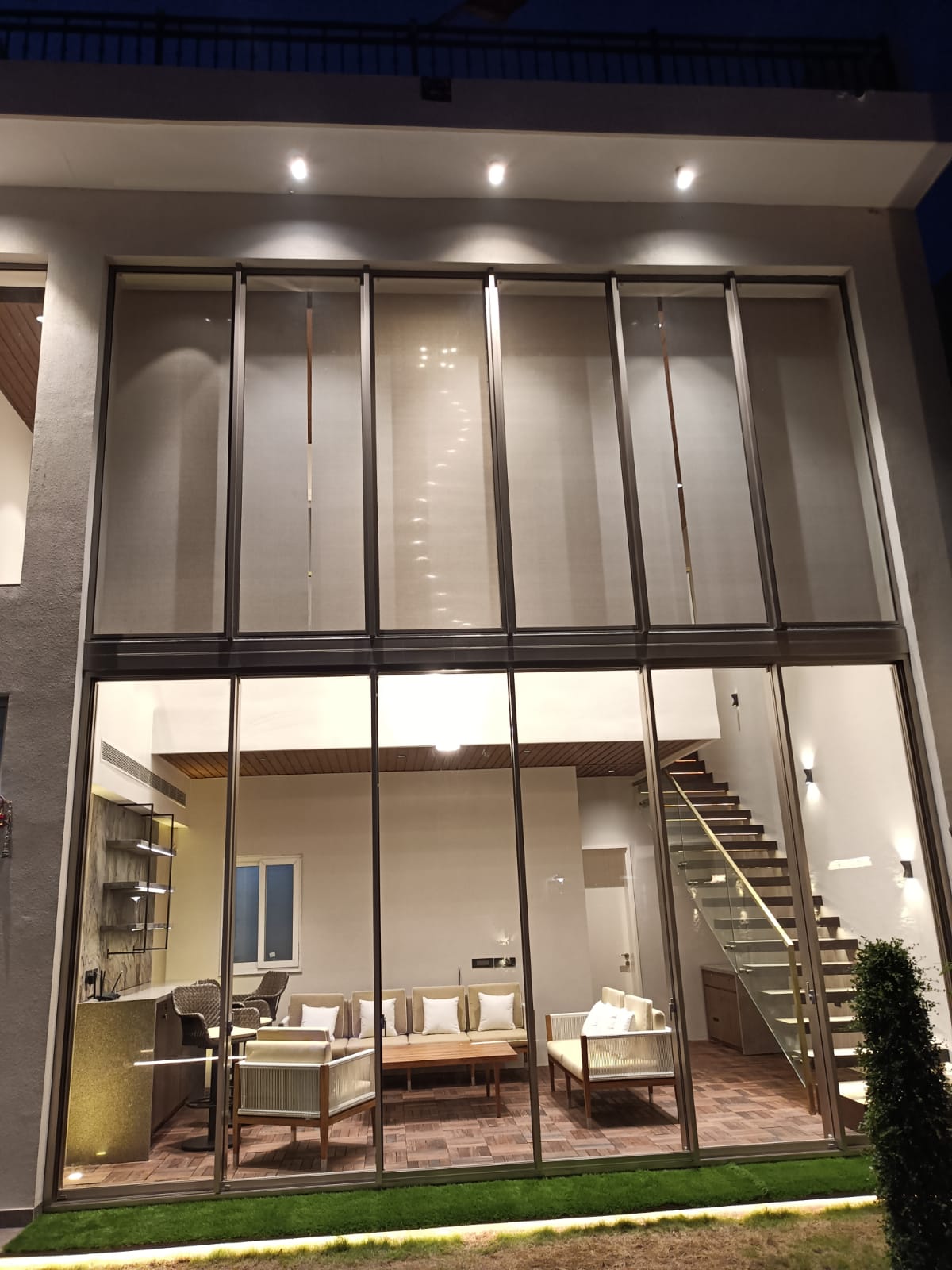
In the heart of bustling Mumbai, Rajesh and Priya Sharma, a young couple with demanding corporate jobs, found themselves yearning for a touch of nature in their compact urban apartment. The couple, like many urban dwellers, battled with the daily grind of noise, pollution, and the relentless pace of city life. While they cherished their vibrant city, they craved a sanctuary—a slice of nature to retreat to after a long day.
The Sharmas’ plight is not unique. Across India, millions face the dilemma of balancing urban living with the innate human desire for connection to nature. The concrete jungle, though full of opportunities, often leaves its inhabitants feeling disconnected, stressed, and mentally fatigued. This is where biophilic design solutions come into play, bridging the gap between modern architecture and the natural world.
Biophilic design is a revolutionary approach focusing on incorporating natural elements into interior spaces. It's more than just adding a few potted plants; it's about creating an environment that mimics the outdoors, fostering a deep-seated connection to nature. For Rajesh and Priya, this meant transforming their home into a verdant oasis that catered to their emotional and psychological needs.
Rajesh, an IT professional, often found himself working late into the night. His home office was a windowless, sterile space that drained his energy. Priya, on the other hand, spent her days in a high-rise office, longing for a breath of fresh air. The couple needed a solution that was both practical and transformative.
Enter biophilic design, which offered a holistic solution to their predicament. By integrating elements such as natural light, indoor plants, organic materials, and nature-inspired textures, the Sharmas were able to create a living space that rejuvenated their spirits. The couple installed a living wall in their living room, a vibrant tapestry of greenery that became the focal point of their home. Natural light was maximized with sheer curtains, while earthy tones and wooden textures were incorporated into their furniture and decor.
The transformation was remarkable. Rajesh reported a significant boost in his productivity and mood, attributing it to the calming presence of greenery and the soft, natural light filtering through the room. Priya found solace in their newly redesigned balcony, which featured hanging plants and a small water feature, providing the perfect escape from her hectic work life.
Scientific studies corroborate the benefits of biophilic design. Research indicates that environments enriched with natural elements can reduce stress, enhance creativity, and improve overall well-being. A case study conducted in Bengaluru found that employees working in biophilically designed offices experienced a 15% increase in productivity and a 20% reduction in stress levels.
For urban residents like the Sharmas, biophilic design isn't just a luxury—it's a necessity. It addresses a profound emotional need, offering a practical solution to the stresses of city living. By inviting nature into their homes, individuals can cultivate a sanctuary that not only enhances aesthetic appeal but also nurtures mental and physical health.
The story of Rajesh and Priya is a testament to the transformative power of biophilic design. It illustrates that even amidst the chaos of city life, achieving harmony with nature is possible. For those seeking to reclaim their connection to the natural world, biophilic design solutions offer a path to tranquility and renewal.
In conclusion, as urbanization continues to reshape our living environments, the need for nature-infused spaces becomes increasingly vital. Biophilic design provides a bridge to the natural world, offering solace and rejuvenation to those who seek it. As Rajesh and Priya discovered, sometimes the key to a happier, healthier life is simply bringing the outside in.
Visit Vyaparify Site: https://id.vyaparify.com/interior-era
Location: https://maps.app.goo.gl/UtBNsodR7jrzLS2V7

 Go To Homepage