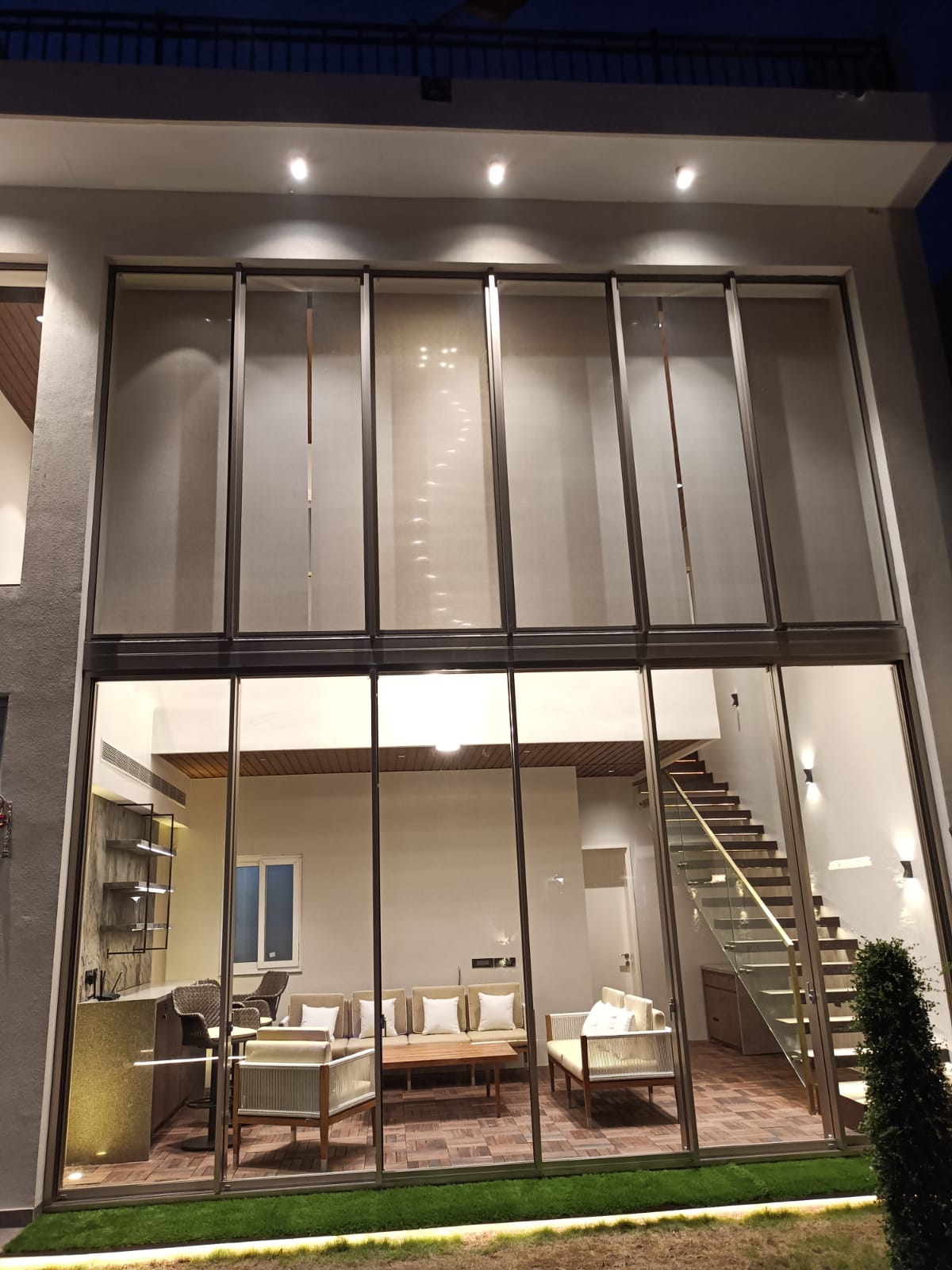
In the heart of bustling Mumbai, where the cacophony of city life often feels unrelenting, lives Priya Sharma, a 35-year-old marketing professional. Like many urban residents, Priya spends her days navigating crowded streets, battling noise pollution, and confined to spaces that rarely offer a breath of fresh air. The result is a growing sense of disconnection from nature and an increasing toll on her mental and emotional well-being.
Priya's story is not unique. Across India, urban dwellers face the same challenge—living in environments that are often devoid of nature. This disconnection can lead to stress, anxiety, and a general decline in quality of life. But what if there was a way to bring nature back into our lives, to transform our interiors into sanctuaries of peace and well-being?
Enter biophilic design solutions—a revolutionary approach to interior design that reconnects us with the natural world. The concept is simple yet profound integrate elements of nature into our living spaces to enhance our physical and emotional health.
Priya was introduced to this concept by her friend Arjun, an architect who had recently redesigned his apartment using biophilic principles. Walking into Arjun's home was like stepping into a different world—a world where natural light played off lush greenery, where the air felt fresher, and where the chaos of the city seemed to fade away at the doorstep. Inspired by this transformation, Priya decided to embrace biophilic design for her own apartment.
The process began with small yet significant changes. Priya introduced indoor plants to her living space, each carefully selected for their air-purifying qualities and ability to thrive indoors. The presence of greenery immediately brought life and vibrancy to her home, offering a visual escape from the concrete jungle outside her windows.
Next, Priya focused on natural materials and textures. Wood, stone, and bamboo found their way into her decor, creating a tactile connection to the earth. She replaced harsh artificial lighting with softer, natural light sources, using sheer curtains to let sunlight filter through during the day. These changes not only improved the aesthetics of her home but also had a calming effect on her mind.
One of the most transformative aspects of Priya's journey was the introduction of natural sounds. She began playing recordings of gentle rain or forest sounds, which had a profound impact on her stress levels and overall mood. These auditory elements, combined with the visual and tactile improvements, created a holistic environment that nourished her senses.
The results were nothing short of remarkable. Priya found herself more relaxed and focused, her sleep quality improved, and she felt a newfound sense of happiness and contentment within her own home. The biophilic design had not only transformed her space but had also transformed her life.
This story is a testament to the power of biophilic design solutions in addressing a major problem faced by urban dwellers—disconnection from nature. Whether it's the emotional stress of city living or the practical need for a healthier indoor environment, biophilic design offers a solution that is both practical and profoundly healing.
For those like Priya, who yearn for a deeper connection to nature amidst the chaos of urban life, embracing biophilic design is more than an aesthetic choice; it is a lifestyle change that fosters well-being and tranquility. By integrating nature into our homes, we can create sanctuaries that nurture our souls and rejuvenate our spirits.
As more people discover the benefits of biophilic design, we can hope for a future where our cities are not just places to live, but havens where nature and humanity coexist harmoniously. Whether you're in Mumbai, Delhi, or any other bustling city, the journey to a healthier, happier life can begin with a single plant, a touch of natural light, or the gentle sound of rain. Embrace biophilic design, and let nature transform your home into a sanctuary of peace.
Visit Vyaparify Site: https://id.vyaparify.com/interior-era
Location: https://maps.app.goo.gl/UtBNsodR7jrzLS2V7

 Go To Homepage


Comments (0)