 Facebook
 Instagram
 Twitter
 Linkedin
In the rustic town of Malva, nestled in the vibrant heart of India, the air hums with the rhythm of artisans crafting intricate designs. Among these artisans is Arjun, a skilled craftsman whose family has been in the handicraft business for generations. Arjun's hands are adept at creating beautiful wooden carvings and delicate metal engravings, skills passed down through his lineage. However, despite the beauty of his creations, Arjun faces a significant challenge the pressure to meet growing demand while maintaining the precision and quality that the market desires.
The traditional methods Arjun employs are time-consuming and labor-intensive. His workshop, filled with the scent of fresh wood and the sheen of metal, is a testament to the dedication and artistry that go into each piece. Yet, the meticulous nature of his work means that fulfilling large orders is often a race against time, and any delay can lead to dissatisfied customers. This is where the laser cutting machine comes into play, offering a practical solution to Arjun’s dilemma.
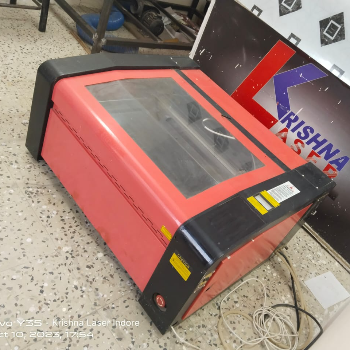
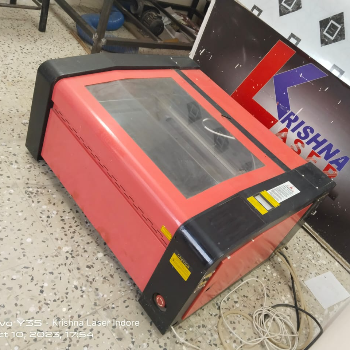
Laser cutting machines are revolutionizing the way artisans like Arjun approach their craft. These machines excel in precision, allowing for intricate designs to be replicated with ease and consistency. For Arjun, this means he can now produce more pieces without compromising on the quality that his customers have come to expect. The precision of laser cutting ensures that even the most complex patterns are executed flawlessly, something that was once a painstaking task when done manually.
Take, for instance, the story of Priya, another artisan from Jaipur, known for her exquisite jewelry designs. Priya was facing a similar hurdle, struggling to balance the growing demand with her ability to deliver high-quality pieces. Upon integrating a laser cutting machine into her process, Priya noticed a remarkable transformation. Not only was she able to increase her production rate, but the level of detail she could achieve in her designs was enhanced significantly. Her business flourished as she expanded her product line to include more intricate and diverse offerings, all thanks to the capabilities of laser cutting technology.
For artisans like Arjun and Priya, the laser cutting machine is more than just a tool; it is a bridge between tradition and modernity. It empowers them to uphold their rich cultural heritage while embracing innovation. The emotional burden of potentially disappointing a loyal customer or losing a contract due to time constraints is alleviated, allowing them to focus on their passion — creating beautiful art.
Moreover, the introduction of laser cutting machines into the handicraft industry is not just a boon for individual artisans but also for the broader community. As more artisans adopt this technology, the industry as a whole becomes more competitive and capable of meeting international standards. This opens up new markets and opportunities, enabling Indian handicrafts to reach a global audience, thereby preserving and promoting India's cultural legacy on a larger scale.
In conclusion, the laser cutting machine serves as a vital ally for artisans like Arjun and Priya. It addresses the critical problem of balancing quality with quantity, providing them with the flexibility to grow their businesses without sacrificing their artistic integrity. By integrating this technology, they not only enhance their craft but also secure their livelihoods in an ever-evolving market. As the stories of Arjun and Priya illustrate, embracing laser cutting technology can be a transformative step for artisans, ensuring that their traditional skills continue to thrive in the modern world.
With each precise cut and each intricate design made possible by this technology, Indian artisans are not just crafting products; they are crafting their future.
Visit Vyaparify Site: https://id.vyaparify.com/krishnalasermalvamill

Contact Us
Shop 254 near anajmandi scheme 91 malwa mill Indore


 Website
 Select Date