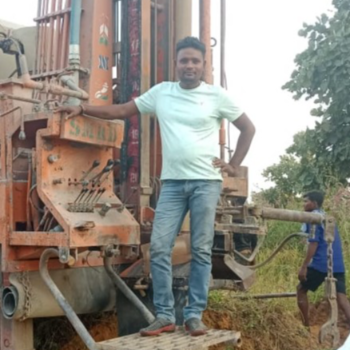
In the heart of rural India, where the horizon is painted with vast fields and the air is filled with the earthy scent of soil, lives a resilient community. Among them is Ramesh, a dedicated farmer in the small village of Chikhlonde. For years, Ramesh has toiled tirelessly, nurturing his dreams and crops with equal fervor. Yet, one significant hurdle stands in his way access to reliable water sources.
In many parts of India, especially rural areas, water scarcity is not just an inconvenience—it's a daily struggle that affects livelihoods and communities. Farmers like Ramesh are often left at the mercy of erratic monsoons and dwindling groundwater levels. This is where the importance of a site survey and feasibility study comes into play.
A site survey and feasibility study is not just a technical assessment; it's a lifeline for communities like Ramesh's. These studies meticulously analyze the geographical and environmental aspects of a location to determine the best approach for water resource development. By identifying potential borewell sites, these studies empower farmers with the knowledge they need to make informed decisions.
Ramesh's story is a testament to the transformative power of a well-conducted site survey and feasibility study. Before the study, Ramesh relied solely on traditional methods and local hearsay to decide the best spot for drilling a borewell. This often led to unsuccessful attempts, wasted resources, and mounting frustration. However, once he opted for a professional site survey, everything changed.
The team of experts arrived at Ramesh's farm armed with advanced equipment and a wealth of knowledge. They assessed the land's topography, soil composition, and water table depth. Using this data, they identified an optimal site for drilling, backed by scientific evidence rather than guesswork. The results were astonishing. Ramesh's new borewell consistently provided water, transforming his farm's productivity and his family's livelihood.
This success story is not just Ramesh's alone. Across India, numerous farmers have witnessed similar transformations thanks to site surveys and feasibility studies. Take the case of Priya, a farmer in Maharashtra. Her village faced acute water shortages, leading to failed crops and financial distress. Through a detailed site survey, Priya discovered the ideal drilling location, resulting in a reliable water source that rejuvenated her farm and brought prosperity to her community.
The emotional burden of uncertainty and the practical challenges of water scarcity are immense. For many rural communities, water is not just a resource; it's a symbol of hope and survival. The emotional relief that comes with a dependable water source cannot be understated. It allows farmers to plan their crops, secure their income, and provide for their families without the constant worry of drought.
From a practical standpoint, these studies save farmers from the financial strain of failed drilling attempts. By investing in a site survey and feasibility study, farmers ensure that their resources are spent wisely, leading to long-term sustainability and growth.
In conclusion, the impact of site surveys and feasibility studies extends far beyond technical assessments. They empower communities, uplift families, and bring about transformative change. As we look to the future, it's clear that these studies are not just a solution to water scarcity—they are a pathway to a brighter, more sustainable tomorrow for rural India.
By embracing scientific methods and expert insights, communities like Ramesh's are not just surviving; they are thriving. Through these studies, they are building a foundation for prosperity, one borewell at a time.
Visit Vyaparify Site:
https://id.vyaparify.com/lalu-chikhlonde-borewellsLocation:
https://maps.app.goo.gl/6QS5fjXFzE6Y5n7z5 

 Go To Homepage