In today’s fast-paced life, stress often becomes a quiet companion. Many people try exercise, meditation, or therapy to find balance. Alongside these, sound healing has slowly gained attention as a gentle, supportive wellness practice. Not because it promises miracles, but because it helps people slow down and reconnect with calmness.
If you’ve heard about sound healing and wondered what the real benefits are, this guide explains it in a simple, grounded way.
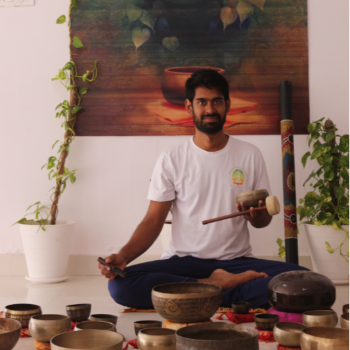
Sound healing is a relaxation-based practice that uses sound vibrations to support mental and emotional balance. Instruments like singing bowls, gongs, tuning forks, or soft frequencies are used to create a calming environment.
The idea is simple: sound influences the nervous system. Just as loud noise can make us tense, soothing sounds can help the body relax. Sound healing sessions are designed to create that sense of ease, without physical effort or complicated techniques.
1. Helps Reduce Stress and Mental Fatigue
One of the most common reasons people try sound healing is stress relief. During a session, the body naturally slows down. Breathing becomes deeper, muscles loosen, and the mind feels less crowded.
Many people describe leaving a session feeling lighter, calmer, and mentally refreshed. This is why sound healing for stress relief is often chosen by those with busy schedules or demanding routines.
2. Encourages Deep Relaxation
Modern life rarely allows true rest. Sound healing creates a space where the body can enter a deeply relaxed state without effort. You don’t need to concentrate or perform any posture. You simply rest while sound works gently in the background.
This level of relaxation is helpful for people who find traditional meditation difficult or mentally exhausting.
3. Supports Better Sleep Quality
When stress and overthinking interfere with sleep, relaxation becomes essential. Sound healing benefits for sleep come from its calming effect on the nervous system.
People who attend sessions often report feeling more settled at night, with improved sleep patterns over time. While it is not a treatment for sleep disorders, sound healing can support healthier sleep habits by reducing mental restlessness.
4. Promotes Emotional Balance
Emotional tension often sits quietly in the body. Sound healing helps create awareness without forcing emotional release. The gentle vibrations allow emotions to surface and settle naturally.
This is why sound healing for emotional balance is commonly explored by people dealing with anxiety, overwhelm, or emotional fatigue. The experience is subtle, not intense, and respects individual comfort levels.
5. Supports Mindfulness and Inner Awareness
Sound healing naturally brings attention to the present moment. As the mind follows sound patterns, distractions reduce. This makes it easier to experience mindfulness without effort.
For people who struggle with racing thoughts during meditation, sound healing for meditation can be a helpful entry point into awareness and stillness.
In cities like Hyderabad, long work hours, traffic, and screen exposure often lead to mental overload. Wellness practices that do not demand physical strain or time commitment are increasingly valued.
Sound healing therapy in Hyderabad is often chosen by:
Working professionals
Yoga practitioners
People experiencing stress or burnout
Individuals seeking calm without intense techniques
Its gentle nature makes it accessible to all age groups.
What a Sound Healing Session Feels Like
A typical session is quiet and unhurried. You sit or lie down comfortably while sound instruments are played around you. There is no talking during the session.
Some people feel deeply relaxed. Others experience subtle emotional release or mental clarity. Every experience is different, and there is no “right” way to feel.
Sound healing sessions benefits often build gradually over time, rather than through a single session.
Sound healing is considered a supportive wellness practice, not a medical treatment. It does not replace therapy or medical care. However, it is generally safe and non-invasive.
People with sound sensitivity or specific medical concerns should always consult a professional before trying new wellness practices.
There is no fixed rule. Some people attend weekly sessions, while others prefer occasional sessions during stressful periods. Listening to your body and comfort level is more important than frequency.
Consistency, rather than intensity, is what makes sound healing effective for wellbeing.
Final Thoughts
The real sound healing benefits lie in its simplicity. It does not try to fix you or change you. Instead, it creates space — space to breathe, slow down, and reset.
For those looking to reduce stress, improve relaxation, and reconnect with inner calm, sound healing offers a gentle and respectful path. In a world that constantly asks us to do more, sometimes the most powerful support comes from simply allowing ourselves to rest.

 Go To Homepage