In the bustling city of Jaipur, where ancient traditions seamlessly blend with modern living, resides a family with a deep-rooted connection to their cultural heritage. For the Kumars, their home is not just a place of shelter; it's a sanctuary of peace and reflection. However, like many urban households, they faced the challenge of maintaining a spiritual environment amidst the chaos of city life. Their journey towards restoring tranquility led them to a transformative solution the sandstone temple.
Sandstone temples are not merely architectural constructs; they are intricate works of art that embody the essence of Indian spirituality. Carved with precision and care, each temple is a testament to the artisanship that has been passed down through generations. For the Kumars, introducing a sandstone temple into their home was more than a decorative choice; it was a bridge to their cultural roots and a solution to their deeply felt need for a spiritual oasis.
The primary problem faced by urban families like the Kumars is the lack of a dedicated spiritual space within their homes. In a world where space is at a premium, creating a corner for meditation or prayer can seem like an insurmountable task. This is where sandstone temples come into play, providing a practical and emotional solution.
Radhika, the matriarch of the Kumar family, had always envisioned a home that reflected their spiritual journey. However, limited space and the overwhelming presence of technology often overshadowed her vision. The introduction of a sandstone temple transformed a simple corner of their living room into a sacred space. The warm hues of the sandstone, combined with the intricate carvings, created an environment that invited serenity and introspection.
The impact of this transformation was profound. Not only did it fulfill a practical need by designating a specific area for prayer, but it also offered an emotional sanctuary where the Kumars could reconnect with themselves and their beliefs. In a case study of urban households in India, it was found that families with dedicated spiritual spaces reported higher levels of peace and cohesion. The presence of a sandstone temple facilitated this connection, making it a central element in the Kumars’ daily lives.
Moreover, sandstone temples serve as a versatile solution for homeowners seeking to enhance their interior aesthetics. The natural beauty of sandstone, with its earthy tones and timeless appeal, seamlessly integrates with various design styles. Whether your home exudes a traditional charm or a modern flair, a sandstone temple can complement and elevate its overall aesthetic.
Let’s take the example of Arjun, a young professional living in Mumbai. With a hectic work schedule, Arjun often found himself yearning for a place to unwind and reflect. After incorporating a sandstone temple into his apartment, not only did he create a peaceful retreat, but he also added a unique element that captured the admiration of his guests. His space became a conversation starter, highlighting the perfect blend of art, culture, and spirituality.
In conclusion, sandstone temples offer a multifaceted solution for Indian households. They address the practical challenges of limited space while simultaneously fulfilling an emotional need for spiritual connection. For families like the Kumars and individuals like Arjun, these temples are more than structures; they are gateways to a more balanced and fulfilling life.
If you find yourself facing similar challenges in creating a spiritual space within your home, consider the timeless elegance and profound impact of a sandstone temple. Let it not only transform your space but also your life, guiding you towards a path of serenity and cultural richness.
Visit Vyaparify Site:
https://id.vyaparify.com/n-k-k-stone-handicrafts 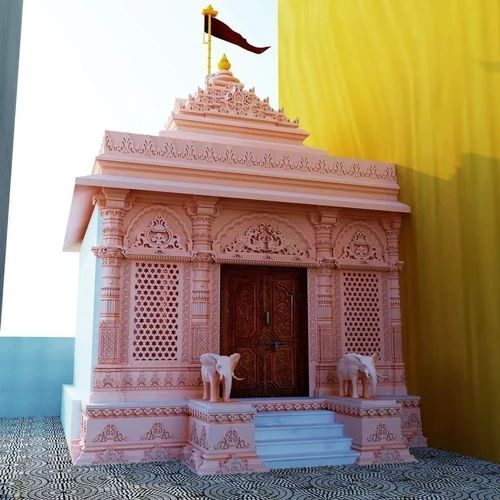

 Go To Homepage