 Facebook
 Instagram
 Twitter
 Linkedin
In the bustling city of Pune, where tradition meets modernity, there lived a man named Arjun Sharma. Arjun, a 45-year-old software engineer, was well-respected in his community and had a loving family. Yet, a shadow seemed to hang over his otherwise perfect life—an inexplicable series of misfortunes and strained relationships that plagued his family for generations. Arjun was not alone in this; many families in India experience similar generational challenges, often referred to as ancestral or Pitra Dosha.
In Indian culture, the Pitra Shanti ritual is a time-honored tradition believed to offer peace to departed ancestors and, in turn, bring harmony to the living descendants. The belief is that unresolved issues or dissatisfaction of ancestors manifest as obstacles in the lives of their descendants. For Arjun, the Pitra Shanti ritual became a beacon of hope to address and heal these inherited struggles.
Arjun's story is not unique. Families across India often face difficulties that seem to have no logical explanation—be it financial setbacks, health issues, or fractured relationships. These challenges are often attributed to Pitra Dosha, a concept deeply embedded in Hindu astrology and tradition. It suggests that the souls of ancestors, if not at peace, can influence the fortunes of the living family members.
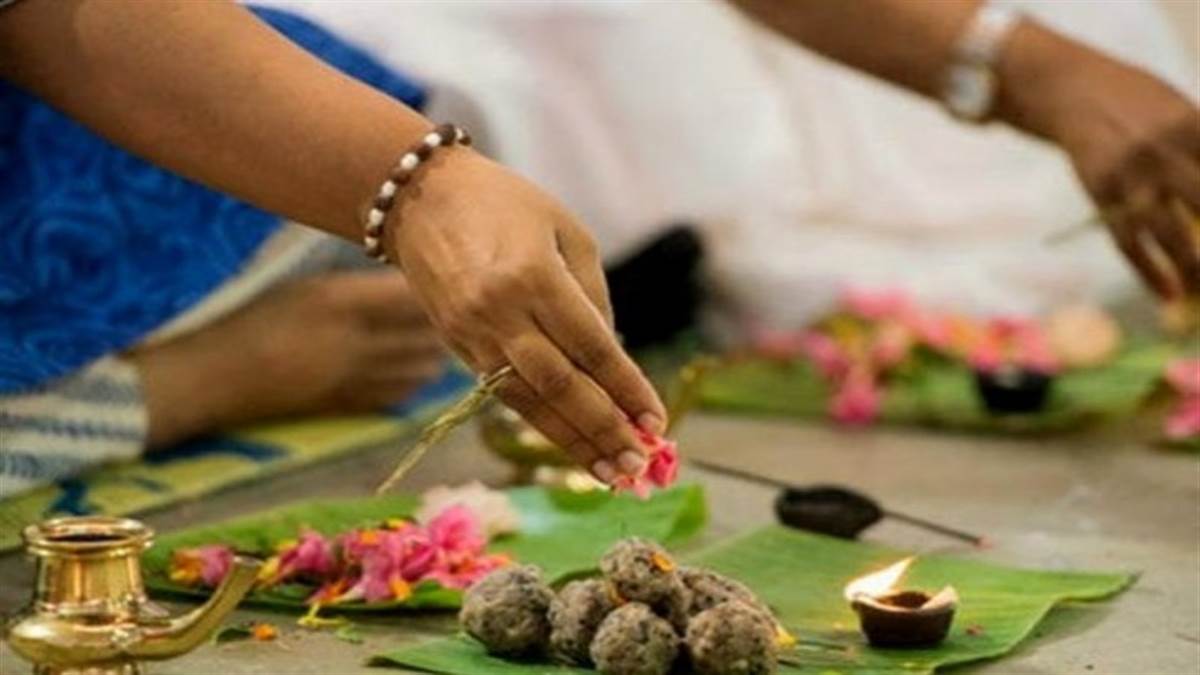
Recognizing this, Arjun decided to perform the Pitra Shanti ritual, a sacred ceremony aimed at appeasing the ancestors and seeking their blessings. As he embarked on this spiritual journey, he found a sense of purpose and direction. The ritual was not just about seeking forgiveness or appeasing the spirits; it was about acknowledging and honoring the legacy of his forebears.
The process was transformative. As Arjun delved deeper into the ritual, he began to understand his ancestors' lives better—their struggles, their dreams, and their unfulfilled desires. This understanding fostered a newfound empathy and connection with his lineage. The ritual also allowed his family to come together, sharing stories and memories that bridged the gap between the past and the present.
After the Pitra Shanti ceremony, Arjun noticed subtle yet significant changes. The atmosphere in his home lightened, and the relationships that once felt strained began to heal. Financial prospects seemed to improve, and a sense of peace enveloped his family. For Arjun, these changes were a testament to the power of honoring one's ancestors and seeking their blessings.
The Pitra Shanti ritual offers more than just a solution to practical issues—it addresses the emotional and spiritual facets of familial relationships. It provides an opportunity to reflect on the past and heal old wounds, fostering a sense of unity and continuity within the family.
Incorporating the Pitra Shanti ritual into one's life can be a powerful step toward resolving deep-seated issues. It is a way of acknowledging that we are part of a larger tapestry of existence, where the past, present, and future are intertwined. By honoring our ancestors, we not only seek their blessings but also reaffirm our commitment to preserving family harmony and well-being.
For those like Arjun, who feel weighed down by inexplicable burdens, the Pitra Shanti ritual offers a path to liberation and peace. It is a journey of self-discovery and healing, where the chains of generational struggles are broken, and a new chapter of harmony and prosperity begins.
As you consider the Pitra Shanti ritual, remember that it is not just a tradition but a profound expression of love and respect for those who came before us. By embracing this ritual, you open the door to a future unburdened by the past, where peace and harmony reign supreme in your family and beyond.
Visit Vyaparify Site: https://id.vyaparify.com/nahar-walapanda
Location: https://maps.app.goo.gl/Mh9XmLwvuFHEdopf6

Contact Us
Ganesh Nagar, Madhya Pradesh 456003


 Select Date