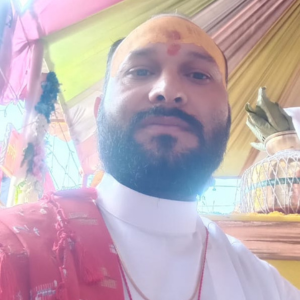
In the bustling city of Varanasi, where the Ganges flows with stories of life's endless cycles, lives Meera, a 42-year-old homemaker. For years, Meera has carried the emotional burden of guilt and unrest following her father’s passing. Haunted by dreams and subtle signs, she feels a deep-seated unease, as if her father’s soul is reaching out for closure. This emotional turmoil is not uncommon among those who have lost loved ones, yet struggle with the notion of unfinished business in their spiritual journey.
Meera’s story is one that resonates with countless families across India, where traditional beliefs intersect with modern life, creating a unique blend of spirituality and everyday challenges. Her quest for peace led her to discover a powerful ancient ritual—Pind Daan Puja—a holy ceremony believed to liberate the souls of the departed and bring solace to the living.
The Pind Daan Puja is a sacred Hindu ritual performed to honor one's ancestors, ensuring they find peace in the afterlife. This ritual is traditionally conducted in holy cities like Gaya, Varanasi, and Haridwar, where the vibrations of ancient chants and the sanctity of the Ganges are believed to aid in the liberation of restless souls.
For Meera, the decision to perform the Pind Daan Puja was both emotional and practical. She realized that embracing this tradition could bring an end to her emotional suffering and offer her father’s spirit the peace it sought. The process began with a journey to the holy city of Gaya, accompanied by her family. Guided by a knowledgeable priest, Meera participated in the ritual with devotion, offering rice balls, sesame seeds, and holy water to symbolize nourishment for her father’s soul.
Through the chants and the sacred rituals, Meera felt a profound connection to her ancestors. The act of performing the Pind Daan Puja became a cathartic experience, releasing the emotional shackles that had bound her for so long. As the Ganges flowed gently by, Meera sensed an overwhelming sense of relief, as if a weight had been lifted from her shoulders.
This transformation is not unique to Meera. Countless families across India have experienced similar emotional liberation through the Pind Daan Puja. For example, Rajesh, a software engineer from Bangalore, found peace after performing the ritual for his grandmother, who had passed away during the pandemic. He shared how the ceremony helped him deal with the grief and guilt he had been harboring, allowing him to move forward with a lighter heart.
The Pind Daan Puja addresses a major emotional problem faced by many the unresolved feelings of guilt and anxiety after the loss of a loved one. By providing a means to honor and remember those who have passed, the ritual offers a path to emotional healing and closure. It assures the living that they have fulfilled their duties, allowing them to embrace life with renewed vigor.
In today's world, where the pace of life often overshadows the importance of tradition, the Pind Daan Puja serves as a poignant reminder of our roots and the spiritual ties that bind us. It’s a powerful testament to the enduring legacy of our ancestors and the timeless wisdom of ancient practices.
For those like Meera, who are caught in the crosscurrents of modern life and traditional beliefs, the Pind Daan Puja offers more than just a ritual—it provides a bridge to healing and a sanctuary for the soul. As Meera returned home from Gaya, she carried with her not only the blessings of her father’s spirit but also the peace she had long sought.
In conclusion, the Pind Daan Puja stands as a beacon of hope for those seeking solace amidst the chaos of life and loss. It reminds us that through honoring our past, we can find peace in the present and hope for the future. Let this ancient tradition guide you towards healing and harmony, just as it has for so many before you.
Visit Vyaparify Site:
https://id.vyaparify.com/pandit-aditya-sharma