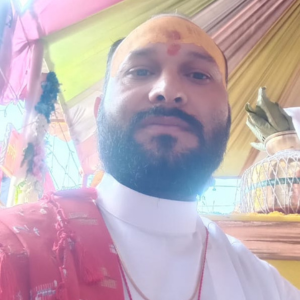
In the heart of bustling cities and remote villages across India, an age-old tradition breathes life into relationships, nurturing them with warmth and love. The मंगल-भात-पूजन, a sacred ceremony steeped in cultural significance, has long been a cornerstone of Indian familial life. It bridges the gap between generations, providing a platform for heartfelt connection and emotional healing.
Meet the Sharma family from Pune. Like many modern families, they found themselves caught in the whirlwind of daily life, where the demands of work and personal aspirations often overshadowed their time together. Aditya Sharma, the family patriarch, worried about the growing emotional distance between him and his two children, Neha and Rohan. Despite living under the same roof, meaningful conversations had become rare, with each family member engrossed in their own world.
Aditya's concern reached a peak during a family gathering, where he realized that the essence of their togetherness seemed to be fading. It was then that his mother, Dadi, suggested performing the मंगल-भात-पूजन. This traditional ceremony, she explained, was more than just a ritual; it was a spiritual journey designed to bring families closer, promoting unity and understanding.
The मंगल-भात-पूजन, traditionally performed to seek blessings for prosperity and happiness, involves a series of rituals that encourage family members to come together, share stories, and reflect on their shared heritage. It is a time when the past and present unite, allowing individuals to reconnect not just with each other, but with their roots.
As the Sharmas prepared for the ceremony, they embraced the opportunity to involve everyone in the process. Neha took charge of the decorations, adorning the home with vibrant marigold flowers and diyas, while Rohan helped his grandmother with the preparations for the puja. The simple act of working together broke the ice, fostering interactions that had been missing for so long.
The day of the मंगल-भात-पूजन was transformative. As the family gathered around the sacred fire, Aditya witnessed something remarkable. The shared experience of chanting mantras, exchanging vows for mutual respect and understanding, and the act of offering food to the divine, created an atmosphere of unity. In those moments, the walls that had silently built up over time began to crumble.
The emotional disconnection that Aditya feared was replaced with a renewed sense of belonging. Neha and Rohan, who had been preoccupied with their own lives, found themselves engaging in meaningful conversations with their parents and grandparents, sharing stories of their own experiences and dreams. The ceremony had not only revitalized the family’s bond but had also instilled a sense of cultural pride in the younger generation.
The benefits of the मंगल-भात-पूजन extend beyond the Sharma family. Across India, countless families have discovered its power to heal emotional rifts and strengthen relationships. Rekha, a single mother from Jaipur, found solace in the ceremony when her teenage son distanced himself following her divorce. The rituals allowed them to express their emotions and rebuild their relationship on a foundation of trust and understanding.
In a rapidly changing world where technology often overshadows personal interactions, the मंगल-भात-पूजन serves as a reminder of the importance of family and tradition. It offers a sanctuary where individuals can pause, reflect, and reconnect with the essence of their being.
For families like the Sharmas, the मंगल-भात-पूजन is more than a ritual; it is a lifeline that rekindles the flame of love and togetherness. It is a celebration of what truly matters—family. As Aditya reflects on the experience, he realizes that the ceremony has given them not just moments to cherish, but a legacy to uphold.
In embracing the मंगल-भात-पूजन, families across India are not just preserving tradition; they are nurturing the bonds that hold them together, one ritual at a time.
Visit Vyaparify Site:
https://id.vyaparify.com/pandit-aditya-sharma