In the bustling heart of Jaipur, nestled among the narrow lanes and vibrant bazaars, lived a woman named Meera. Born into a family with a rich cultural heritage, she was known for her resilience and warmth. However, beneath her cheerful demeanor lay a burden she could not shake off. Her life seemed to be a series of hurdles, with every step forward accompanied by two steps back. Financial struggles, health issues, and strained family relationships were constants in her life. Little did she know, these troubles were tied to an ancient ancestral issue known as Pitra Dosh.
Pitra Dosh, a Vedic astrology concept, signifies ancestral afflictions resulting from unsatisfied souls of ancestors. This dosh can manifest in various ways, such as chronic illnesses, financial instability, or recurring family disputes. The solution to this pervasive problem lies in performing the Pitra Dosh Puja, a revered ritual designed to appease ancestors, seek their blessings, and restore harmony.
Meera first heard about Pitra Dosh during a casual conversation with her friend Arjun, whose life had dramatically improved after performing the Pitra Dosh Puja. Arjun's family, once plagued by similar misfortunes, found peace and prosperity after addressing their ancestral debts. Inspired by his story, Meera decided to explore this path.
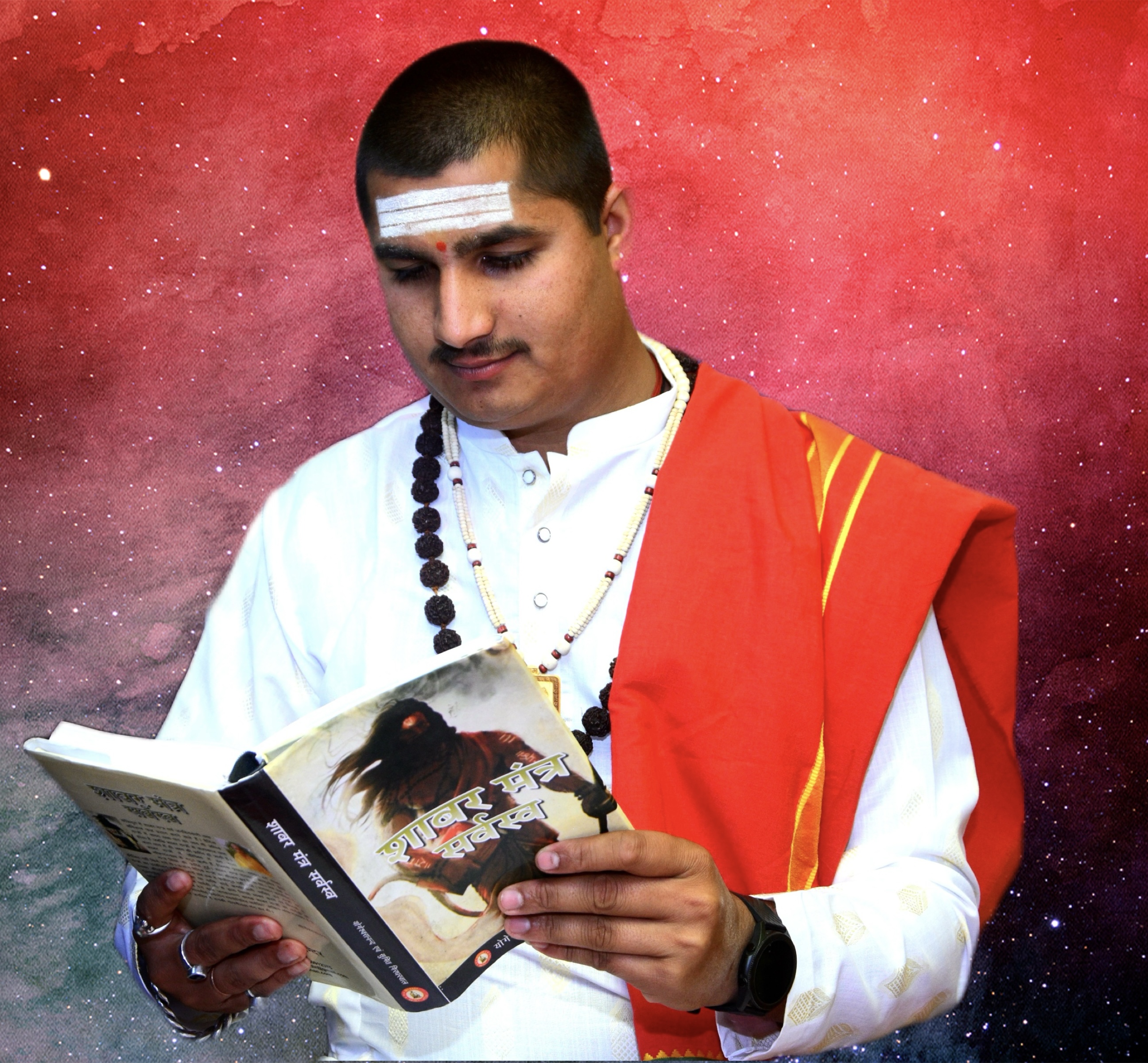
With a mix of skepticism and hope, Meera approached a learned pandit who specialized in the Pitra Dosh Puja. The pandit, with a calm demeanor and years of wisdom etched into his eyes, explained the significance of the ritual. He detailed how the unresolved issues of ancestors could cast a long shadow on the present, affecting the lives of their descendants. The Pitra Dosh Puja, he assured, was a way to honor ancestors, seek forgiveness for past wrongs, and invite their blessings for a happier future.
As Meera participated in the ritual, surrounded by the soothing chants of Vedic hymns and the heady fragrance of incense, she felt a weight lifting off her shoulders. The ritual was a deeply emotional experience, connecting her to her roots and offering a sense of closure she had long yearned for.
In the weeks following the puja, Meera noticed subtle yet profound changes. Her family's financial situation began to stabilize, and she found new opportunities opening up at work. Relationships that had been strained for years started to heal, with family members coming together in ways they hadn't before. The chronic health issues that had plagued her family seemed to ease, bringing a renewed sense of vitality to their lives.
Meera's transformation was not just about resolving practical issues; it was an emotional journey that reconnected her with her lineage. By acknowledging and honoring her ancestors, she found peace and strength within herself, enabling her to face life's challenges with newfound vigor.
Her experience serves as a testament to the power of Pitra Dosh Puja in addressing ancestral imbalances. For those grappling with persistent issues that seem insurmountable, this sacred ritual offers a pathway to healing and harmony. It is a reminder that our past, present, and future are intricately linked, and by nurturing our ancestral roots, we can pave the way for a brighter tomorrow.
As Meera's story illustrates, embracing the wisdom of ancient traditions can bring about profound changes in our modern lives. The Pitra Dosh Puja is not just a ritual; it's a bridge to our heritage, a source of strength, and a beacon of hope for those seeking harmony and prosperity.
In the end, Meera found more than just relief from her troubles; she discovered a deeper connection with her family and a renewed sense of purpose. Her journey is a powerful reminder that sometimes, the solutions to our most pressing problems lie in honoring the past and healing our ancestral bonds.
Visit Vyaparify Site:
https://id.vyaparify.com/pandit-gajendra-vyas 

 Go To Homepage