In the heart of Varanasi, where the Ganges flows with an eternal promise of liberation, the Sharma family gathered to perform a time-honored ritual—Pind Daan Puja. This sacred ceremony, deeply rooted in Indian tradition, is more than just a series of rituals; it is a journey of emotional healing and ancestral connection.
Meet Rajesh Sharma, a software engineer from Bengaluru, who found himself at the crossroads of modern life and age-old customs. Like many Indians, Rajesh was entangled in the daily grind, often forgetting the spiritual roots that bind us to our past. It wasn't until the passing of his beloved grandmother, Savitri Devi, that he felt a profound need to reconnect with his heritage.
Rajesh's grandmother was the matriarch of the family, her tales of wisdom and love woven into the fabric of their lives. Her sudden departure left a void, stirring an emotional turmoil that Rajesh couldn't shake off. It was during this time of grief that he learned about the Pind Daan Puja—a ritual believed to help the departed souls attain peace and liberation (moksha).
The major problem that Rajesh and his family faced was the emotional unrest caused by the unresolved grief of losing a loved one. In the hustle of modern life, they struggled to find a means to honor Savitri Devi's memory in a manner that felt significant and spiritually fulfilling.
Pind Daan Puja provided the answer. This ancient ritual is designed to offer solace and closure, not only for the departed soul but also for those left behind. It is believed that by performing Pind Daan, one can alleviate the soul's journey through the afterlife, ensuring they find peace and contentment.
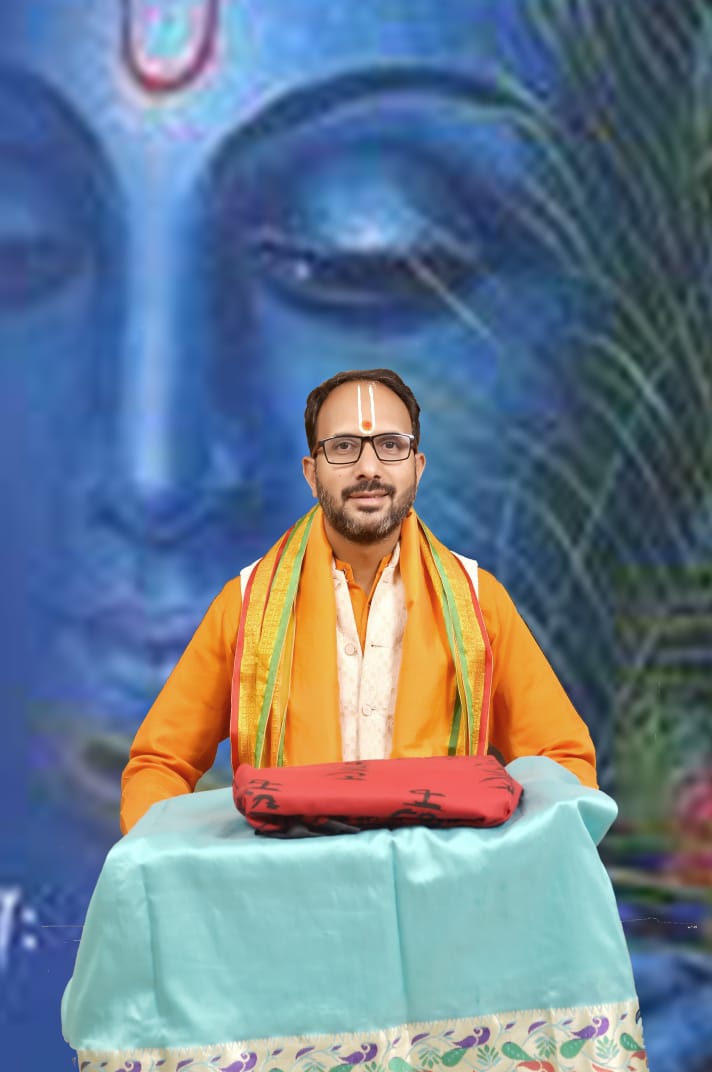
As Rajesh and his family prepared for the ceremony, they were guided by Pandit Nalin Sharma, a revered priest with years of experience in conducting Pind Daan Puja. Pandit Nalin explained that the ritual involves offering rice balls (pindas) and prayers to the ancestors, a symbolic gesture of providing sustenance and support for their journey.
For Rajesh, this was more than just a religious obligation; it was a chance to communicate with his grandmother one last time. As the ceremonial chants filled the air, a sense of calm washed over him. The ritual transcended mere tradition, becoming an intimate dialogue between the living and the departed.
The ceremony brought the family together in a unique way. As they shared stories of Savitri Devi, laughter and tears mingled, creating a tapestry of emotions that honored her life and legacy. This collective reflection allowed them to process their grief and find closure, knowing they had honored their grandmother with the respect and love she deserved.
Pind Daan Puja not only helped the Sharma family find emotional peace but also strengthened their cultural identity. In a world that often pulls us away from our roots, this ritual reaffirmed their connection to their ancestors and the spiritual traditions that define them.
For families like the Sharmas, Pind Daan Puja offers a path to healing that bridges the gap between the past and the present. It is a reminder that our loved ones live on through the traditions we uphold and the memories we cherish. As Rajesh reflected on the experience, he realized that the ritual had not only liberated his grandmother's soul but had also released his family from the clutches of lingering grief.
In essence, Pind Daan Puja is more than a ritual; it is a transformative journey of love, remembrance, and spiritual fulfillment. It empowers families to honor their ancestors with grace and dignity, providing a sanctuary for emotional healing in the process.
So, if you find yourself grappling with the loss of a loved one, consider the profound impact of Pind Daan Puja. Let it guide you towards peace, offering solace to your heart and a tranquil passage for those who have passed. Embrace this sacred tradition, and discover the enduring power of ancestral connection.
Visit Vyaparify Site:
https://id.vyaparify.com/pandit-nalinsharmaLocation:
https://maps.app.goo.gl/UNAxCmt6rcvZ7Q1E8