In the heart of bustling Mumbai, the Deshmukh family faced a challenge that many modern Indian families encounter today—an intangible sense of unrest and disharmony at home. Aniket and Priya Deshmukh, both thriving in their respective careers, realized that despite their professional success and material comforts, something was amiss. The once vibrant atmosphere of their home had turned into a silent, tension-filled environment, affecting not only their relationship but also their young children, Aarav and Anaya.
After several attempts to restore harmony through various means, including vacations and family counselling, Priya stumbled upon the Mangala Bhaat Poojan during an online search for traditional solutions. Intrigued by its promise of peace and prosperity, she decided to explore this ancient ritual further.
The Mangala Bhaat Poojan is a revered Hindu ceremony, designed to invoke divine blessings and align the cosmic energies surrounding a household. It holds a special place in Indian culture, known for dispelling negativity and fostering a harmonious environment. The ritual typically involves specific prayers, offerings, and the presence of a learned pandit, ensuring that the spiritual energy of the home is revitalized.
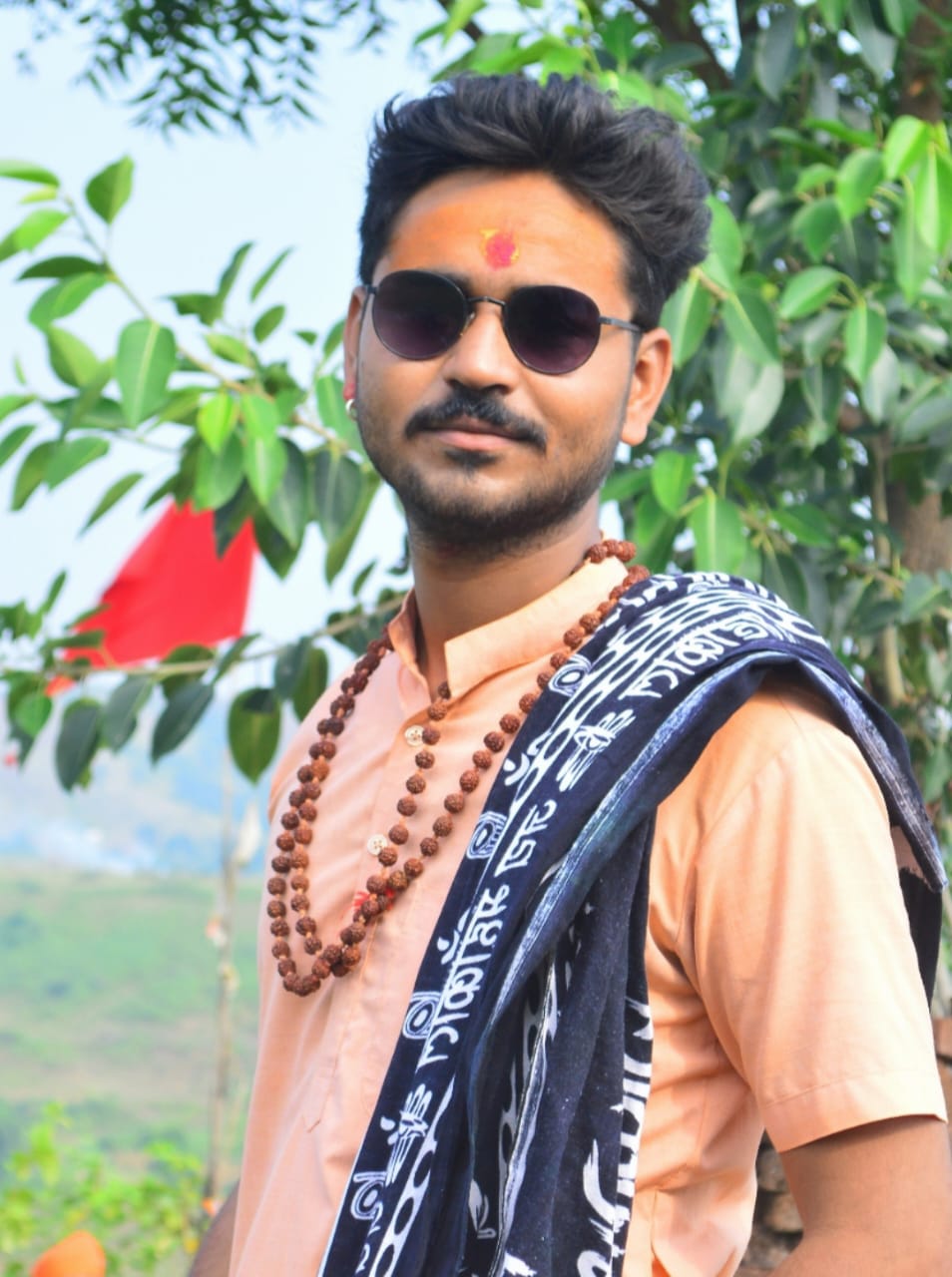
In consultation with Pandit Shubham Upadhyay, a renowned practitioner of this ritual, the Deshmukhs decided to conduct the Mangala Bhaat Poojan in their home. Pandit Shubham, with years of experience and a deep understanding of Vedic traditions, carefully guided them through the process. His gentle demeanor and profound knowledge instilled a sense of calm and anticipation in the family.
On the day of the pooja, the Deshmukh household was transformed. The air was filled with the soothing sounds of Vedic chants and the aroma of incense wafted through every corner. As the ritual progressed, Aniket and Priya felt a palpable shift in the atmosphere—a lightness that had been missing for so long.
The Mangala Bhaat Poojan not only addressed the practical issue of restoring peace but also touched an emotional chord for the Deshmukhs. It reconnected them with their cultural roots and provided a sense of belonging and identity that had been overshadowed by their busy urban lives. The act of coming together as a family, participating in a shared spiritual journey, renewed their bonds and brought a newfound understanding and respect for one another.
For many families like the Deshmukhs, the Mangala Bhaat Poojan offers a solution to the distinct problem of emotional and spiritual disconnection. In a world where technology often replaces face-to-face interactions and traditional practices are sidelined, this ritual provides a meaningful way to bridge the gap between modernity and tradition.
The positive impact of the pooja was evident almost immediately. The Deshmukh home, once a place of tension, became a sanctuary of peace. Aniket and Priya noticed improvements in their children's behavior and attitudes—Aarav became more focused in his studies, while Anaya's spirited nature was complemented by newfound calmness.
In essence, the Mangala Bhaat Poojan is more than just a religious ritual; it is a profound journey into the heart of Indian spirituality, offering a pathway to holistic well-being. For those seeking to restore balance and harmony in their lives, embracing this ancient practice could be the key to unlocking a world of peace and prosperity.
In the ever-evolving landscape of Indian society, where the past often meets the present in unexpected ways, the Mangala Bhaat Poojan stands as a testament to the enduring power of tradition. It reminds us that sometimes, the solutions to our most pressing challenges lie not in the new, but in the wisdom of the ages.
Visit Vyaparify Site: https://id.vyaparify.com/pandit-shubham-upadhyay

 Go To Homepage