In the bustling town of Varanasi, where the streets are alive with the symphony of honking vehicles, vendors calling out their wares, and the sacred chants near the ghats, lived a spirited young woman named Anjali. A college student with dreams as vast as the Ganges, Anjali faced a daily battle not against her academic challenges, but against the time and energy it took to commute from her small neighborhood to the university on the other side of town.
Anjali’s day began before the sun rose. Navigating through crowded buses and unpredictable traffic, she often found herself exhausted before her classes had even begun. This daily ordeal was not just physically draining but emotionally taxing as well. The constant rush, the dependency on erratic public transport schedules, and the lack of personal space impaired her ability to focus and excel in her studies, leaving her frustrated and disheartened.
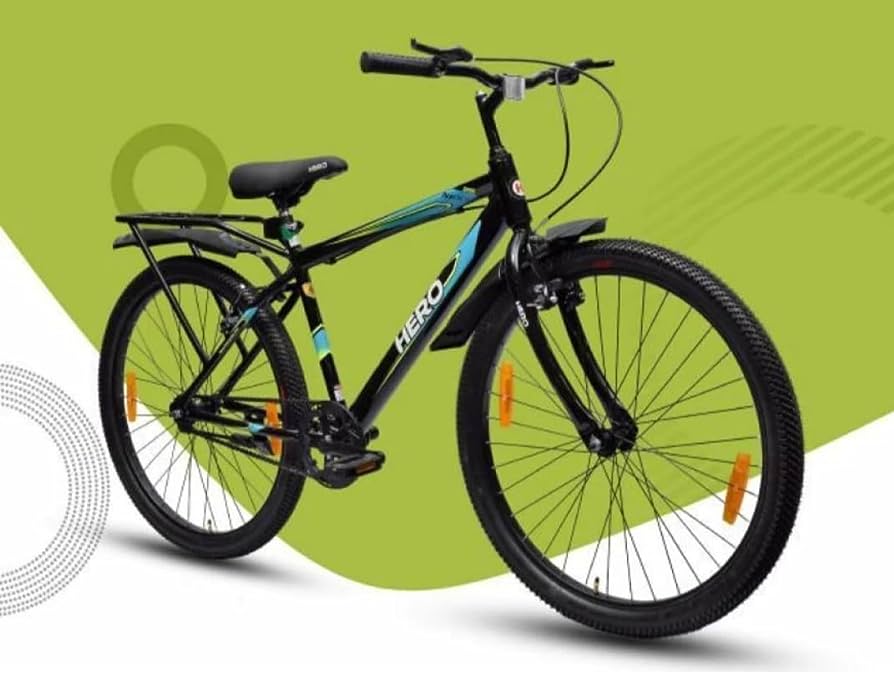
Her father, Mr. Verma, a school teacher with modest means, noticed the toll it was taking on his daughter and decided to invest in a solution that promised both practicality and freedom a bicycle. The simple, sturdy bicycle was more than just a mode of transport; it was a ticket to independence.
Anjali’s first ride on her new bicycle was nothing short of a revelation. As she pedaled through the narrow lanes, an unexpected sense of liberation washed over her. The wind in her hair, the ability to take detours through scenic routes, and the newfound control over her schedule were invigorating. No longer at the mercy of the bus timetable, Anjali could now manage her time more efficiently, which meant more hours to dedicate to her studies and, importantly, more time for herself.
The bicycle not only solved the practical issue of commuting but also addressed a deeper, emotional need for autonomy and empowerment. Anjali felt a renewed confidence in her ability to manage her life. The bicycle became a symbol of self-reliance, a reminder that she had the power to shape her own destiny.
Moreover, this change had a ripple effect on her academic performance and social life. With more energy and time, Anjali excelled in her classes, participated in extracurricular activities, and even had the time to volunteer at a local NGO. Her story is not an isolated one. Across India, there are countless Anjalis who have found their wings through a simple bicycle.
In a country where public transport can often be unreliable and personal vehicles are a luxury for many, bicycles offer an affordable, eco-friendly, and efficient alternative. They not only facilitate better time management and physical health but also contribute to mental well-being by reducing stress and fostering a sense of independence.
Consider the case study of the Bihar government's initiative to provide bicycles to schoolgirls, which led to a significant increase in female attendance and retention rates. Such initiatives highlight the profound impact a bicycle can have on education and gender equality.
In conclusion, the bicycle is more than just metal and rubber; it is a vehicle of change, a catalyst for personal and social transformation. Anjali’s story is a testament to the power of simple solutions in overcoming complex problems, offering hope and inspiration to many.
For those like Anjali, who seek freedom from the shackles of time and dependency, a bicycle is not just a purchase; it's an investment in their future. So, if you find yourself trapped in a similar cycle of dependency and frustration, perhaps it’s time to take a leaf out of Anjali’s book and pedal your way to freedom.
Visit Vyaparify Site: https://id.vyaparify.com/prajapati-cycle

 Go To Homepage