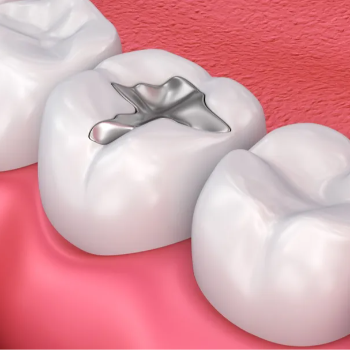
Dental fillings are a fundamental treatment for cavities, addressing decayed areas in teeth to restore their structure and prevent further damage. The process typically involves several steps: First, the dentist numbs the area around the affected tooth with local anesthesia to ensure the patient's comfort during the procedure. Then, they use a drill or laser to remove the decayed portion of the tooth, creating a clean space for the filling material.
Once the decay is removed, the dentist cleans the cavity thoroughly to eliminate any remaining debris or bacteria. They then choose an appropriate filling material based on factors like the location and size of the cavity, as well as the patient's preferences and budget. Common filling materials include amalgam (a mixture of metals), composite resin (a tooth-colored material), gold, or porcelain.
For composite resin fillings, the dentist carefully applies layers of the material to the prepared cavity, sculpting and shaping it to match the natural contours of the tooth. Each layer is hardened with a special curing light before adding the next one. This incremental layering technique helps ensure a strong bond between the filling and the tooth, enhancing its longevity and stability.
After the filling is in place, the dentist polishes it to smooth out any rough edges and create a seamless blend with the surrounding tooth enamel. The result is a restored tooth that looks and functions like natural tooth structure.
Dental fillings not only repair cavities but also prevent further decay by sealing off the vulnerable area from harmful bacteria and food particles. With proper oral hygiene and regular dental check-ups, fillings can last for many years, preserving the health and integrity of the tooth.
 Go to homepage