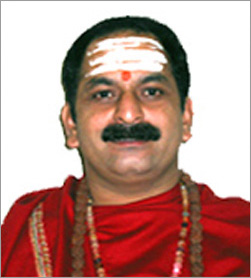
Ramesh Joshi, like many others in India, was deeply rooted in his family traditions. Born into a lineage that prided itself on upholding age-old customs, Ramesh grew up listening to his grandmother recount stories of their ancestors. While these tales were filled with valor and wisdom, they often carried an unspoken weight—an unresolved tension that seemed to echo through generations.
As Ramesh matured, he began to notice a pattern of misfortune that plagued his family. Whether it was the untimely demise of loved ones or the continuous financial struggles, something felt amiss. He often heard his mother, Suman, lament about the family's unexplained hardships, her voice tinged with a mixture of frustration and helplessness. Despite their best efforts, the Joshi family faced hurdles that seemed beyond ordinary explanations.
One evening, while attending a community gathering, Ramesh overheard a conversation about the Tripindi Shraddh Puja. Intrigued, he learned that this ancient ritual was designed to appease ancestors and cleanse familial karma. It was said to resolve the spiritual disturbances caused by unmet obligations towards ancestors, known as ‘Pitru Dosha’. The conversation struck a chord with Ramesh, as if the universe had presented him with a solution to the lingering shadows of his family’s past.
Determined to explore this further, Ramesh approached Pandit Hari, a respected priest renowned for performing the Tripindi Shraddh Puja. Pandit Hari explained that this ritual aimed to honor one's forefathers, seeking their blessings and forgiveness for any unintentional neglect. Ramesh was convinced that this was the key to unlocking the burdens of his family's legacy.
The day of the puja arrived, and the Joshi family gathered at the banks of the sacred river, as instructed by Pandit Hari. The atmosphere was solemn yet hopeful, imbued with a sense of reverence. As the rituals progressed, Ramesh felt a profound connection with his ancestors, as if their spirits were present, guiding him through the ceremony. The chanting of mantras, the offering of sesame seeds and water—each step was a symbolic act of reconciliation and release.
In the weeks that followed, a transformation took place. Ramesh observed a lightness in the family's interactions. His mother, once burdened by anxiety, seemed to exude a newfound calmness. Financial opportunities began to present themselves, and the once frequent cycle of adversities seemed to relent. It was as though the clouds of misfortune had parted, allowing the light of peace and prosperity to shine through.
Reflecting on this journey, Ramesh realized that the Tripindi Shraddh Puja had not only addressed a practical issue but had also provided an emotional healing. It offered his family an opportunity to mend the invisible threads binding them to their past, allowing them to move forward unencumbered by ancestral debts.
The story of Ramesh and his family is but one of many. Across India, countless families have found solace and resolution through the Tripindi Shraddh Puja. This ancient ritual serves as a bridge between the past and the present, offering a spiritual balm to those who seek to honor and appease their forebears.
For those grappling with similar burdens, whether they manifest as personal, emotional, or financial challenges, the Tripindi Shraddh Puja offers a path to peace. It is a testament to the enduring power of tradition and the belief that by respecting and acknowledging our ancestors, we pave the way for a brighter future.
If you find yourself resonating with Ramesh’s story, consider embracing this timeless ritual. It might just be the key to unlocking the harmony and balance you seek in your own life.
Visit Vyaparify Site:
https://id.vyaparify.com/purushottamlohgaonkarLocation:
https://www.google.com/maps/place/Kushavarta+Kund/@19.932756,73.527588,17z/data=!4m6!3m5!1s0x3bddf4ccfa48a6d5:0xb0cec9c398fcdacd!8m2!3d19.9327176!4d73.5276171!16s%2Fg%2F1ptyhn47r?hl=en&entry=ttu 

 Go To Homepage