In the bustling streets of Pune, amidst the daily rhythm of life, a quiet battle unfolds for many families burdened by the aftermath of traumatic brain injuries. This is the story of Meera, a vibrant woman in her early thirties, whose life took an unexpected turn. An accident left her with a cranial defect that not only impacted her health but also her self-esteem and daily interactions. Her journey of recovery highlights the transformative power of cranioplasty, a surgical procedure that promises not just physical restoration, but emotional healing.
Meera’s life was a tapestry of colors before the accident—a successful teacher, a loving mother, and an active community volunteer. But the accident changed everything. The cranial defect affected her physically, leading to persistent headaches and vulnerability to further injuries. However, the psychological impact was perhaps even more profound. Meera became withdrawn, avoiding social interactions due to the altered appearance of her skull, a constant reminder of her trauma.
Cranioplasty emerged as a beacon of hope for Meera. This surgical procedure, aimed at repairing cranial defects, offered a path to reclaiming her life. In India, where healthcare challenges are often compounded by socio-economic factors, access to such specialized procedures can be a lifeline. Cranioplasty not only addresses the practical issues of physical protection and pain alleviation but also tackles the emotional scars by restoring the natural contour of the skull, thereby aiding in the restoration of self-image and confidence.
For Meera, the decision to undergo cranioplasty was not just about physical healing; it was about reclaiming her identity and independence. The surgery, conducted by a skilled team using advanced techniques, was a success. The cranial defect was covered with a custom-made implant, perfectly tailored to fit her skull. The immediate benefits were palpable; the headaches subsided, and the risk of further injury diminished. But the most significant change was in Meera’s spirit. She began to smile again, slowly stepping back into her community and embracing her roles with renewed vigor.
The story of cranioplasty doesn’t end with Meera. Across India, countless individuals face similar challenges. The stigma and isolation associated with cranial deformities can be debilitating. Cranioplasty offers a solution, not just for the individual but for families and communities who rally around their loved ones. The procedure is a testament to the advancement of medical science and its ability to restore normalcy and hope.
Consider Rajesh, a young software engineer from Bengaluru, whose life took a detour after a severe road accident. Like Meera, he struggled with the physical and emotional aftermath of a cranial injury. The prospect of cranioplasty provided a lifeline, offering him the chance to resume his career and social life without the constant shadow of his injury.
The impact of cranioplasty extends beyond individuals, influencing broader narratives of resilience and recovery in Indian society. It symbolizes the intersection of technology and empathy, where medical innovation meets human need. For those like Meera and Rajesh, it represents a bridge to a future where they can thrive, unencumbered by the past.
In conclusion, cranioplasty is more than a surgical procedure; it is a journey of restoration and empowerment. For individuals grappling with the aftermath of cranial injuries, it offers a chance to heal not just physically, but emotionally, allowing them to step back into the world with confidence and dignity. The stories of Meera and Rajesh are not just tales of personal triumph—they are narratives of hope, illustrating the profound impact that cranioplasty can have in transforming lives across India.
Visit Vyaparify Site:
https://id.vyaparify.com/raghavneurotraumacareLocation:
https://maps.app.goo.gl/uNvYUnhUPfrSET5M9 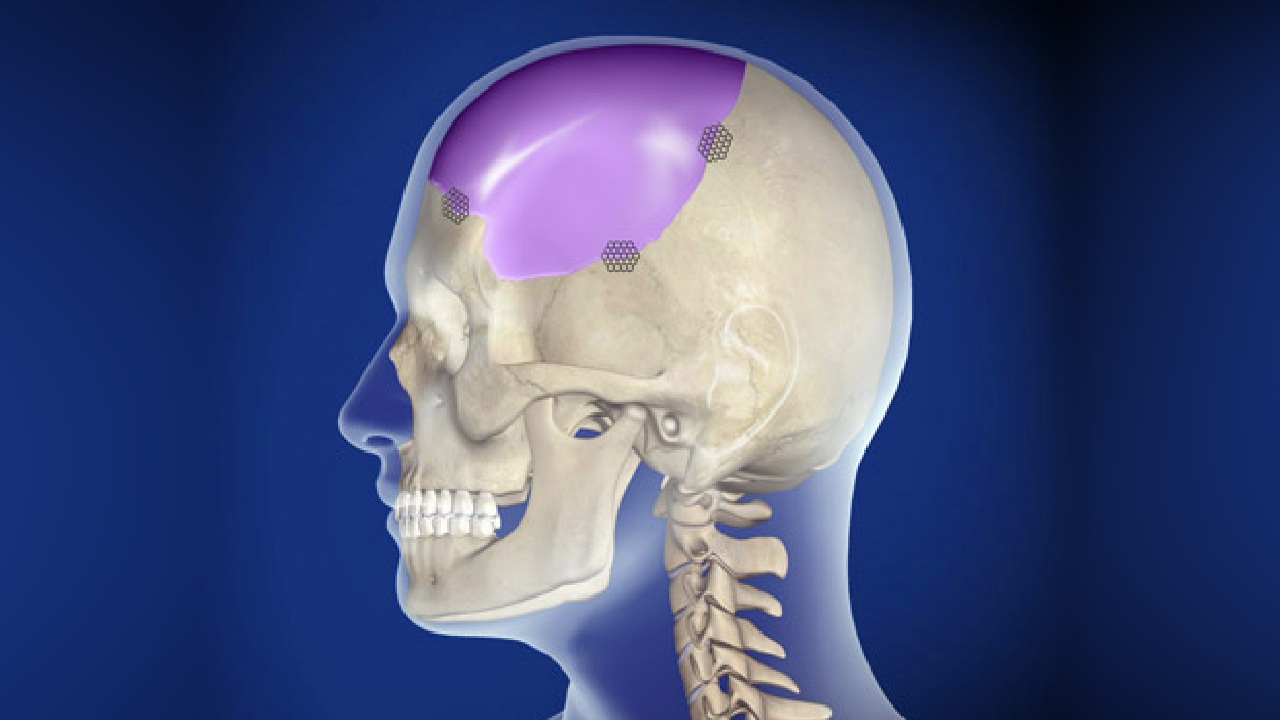

 Go To Homepage


