In the heart of India, where traditions are the vibrant threads weaving the fabric of daily life, there exists a beautiful yet often overlooked issue—cultural disconnection. As modernity seeps into every corner of our lives, many Indians find themselves yearning for a tangible connection to their rich heritage. Enter the hand-painted facilitation stole, a remarkable piece of art and tradition that promises to bridge the gap between past and present.
Meet Ananya, a young professional from Mumbai. With a demanding job in the corporate sector, Ananya often finds herself caught in the whirlwind of city life, far removed from her cultural roots in Jharkhand. She remembers the vibrant festivals of her childhood, the intricate art of Sohrai painted on the walls of her ancestral home, and the warmth of community gatherings. However, these memories feel like distant echoes, overshadowed by the concrete jungle she now resides in.
The hand-painted facilitation stole, with its vivid Sohrai art, offers Ananya a way back to her roots. These stoles are more than just accessories; they are a celebration of Indian culture, meticulously crafted by skilled artisans who pour their heritage into every stroke. For Ananya, wearing a hand-painted stole during festivals or family gatherings becomes a statement—a testament to her pride in her cultural identity and a tangible connection to her ancestors.
One might wonder, how can a simple piece of fabric solve the complex issue of cultural disconnection? The answer lies in the emotional resonance these stoles carry. When Ananya drapes the stole over her shoulders, she feels a profound sense of belonging. The intricate designs tell stories of her forebears, stories she can pass down to future generations. This emotional connection extends beyond Ananya to anyone who chooses to embrace the beauty of these stoles.
Consider the story of Rajesh and Priya, a couple from Delhi, who decided to incorporate hand-painted stoles into their wedding ceremony. Both hailing from different parts of India, they wanted their wedding to reflect the diversity and unity of their cultures. By gifting stoles adorned with Sohrai art to their guests, they not only honored their roots but also sparked conversations about cultural preservation. It was a visual and tactile reminder of the beauty in diversity, making their special day even more meaningful.
The practicality of these stoles also plays a significant role in solving this cultural dilemma. Crafted from high-quality materials, each stole is designed to last, ensuring that the stories and traditions they carry endure for generations. They are versatile enough to be worn on various occasions, from formal events to casual outings, making them a staple in any wardrobe.
Furthermore, by choosing hand-painted stoles, individuals like Ananya and couples like Rajesh and Priya support the artisans who dedicate their lives to preserving these traditional art forms. Every purchase helps sustain communities where art is not just a livelihood but a way of life, ensuring that cultural traditions continue to thrive in a rapidly changing world.
In conclusion, the hand-painted facilitation stole is more than just a beautiful accessory; it is a powerful tool in the fight against cultural disconnection. For those like Ananya, Rajesh, and Priya, it offers a way to embrace their heritage with pride and share it with the world. As we navigate the complexities of modern life, these stoles remind us of the importance of staying connected to our roots, cherishing our traditions, and celebrating the vibrant tapestry of Indian culture.
So, the next time you find yourself yearning for a piece of your heritage, consider the hand-painted facilitation stole. It’s not just a piece of fabric; it’s a bridge to your past, a celebration of your present, and a legacy for your future.
Visit Vyaparify Site:
https://id.vyaparify.com/shop_sohrai 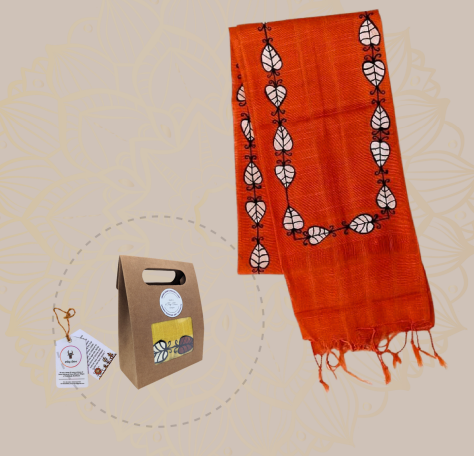

 Go To Homepage