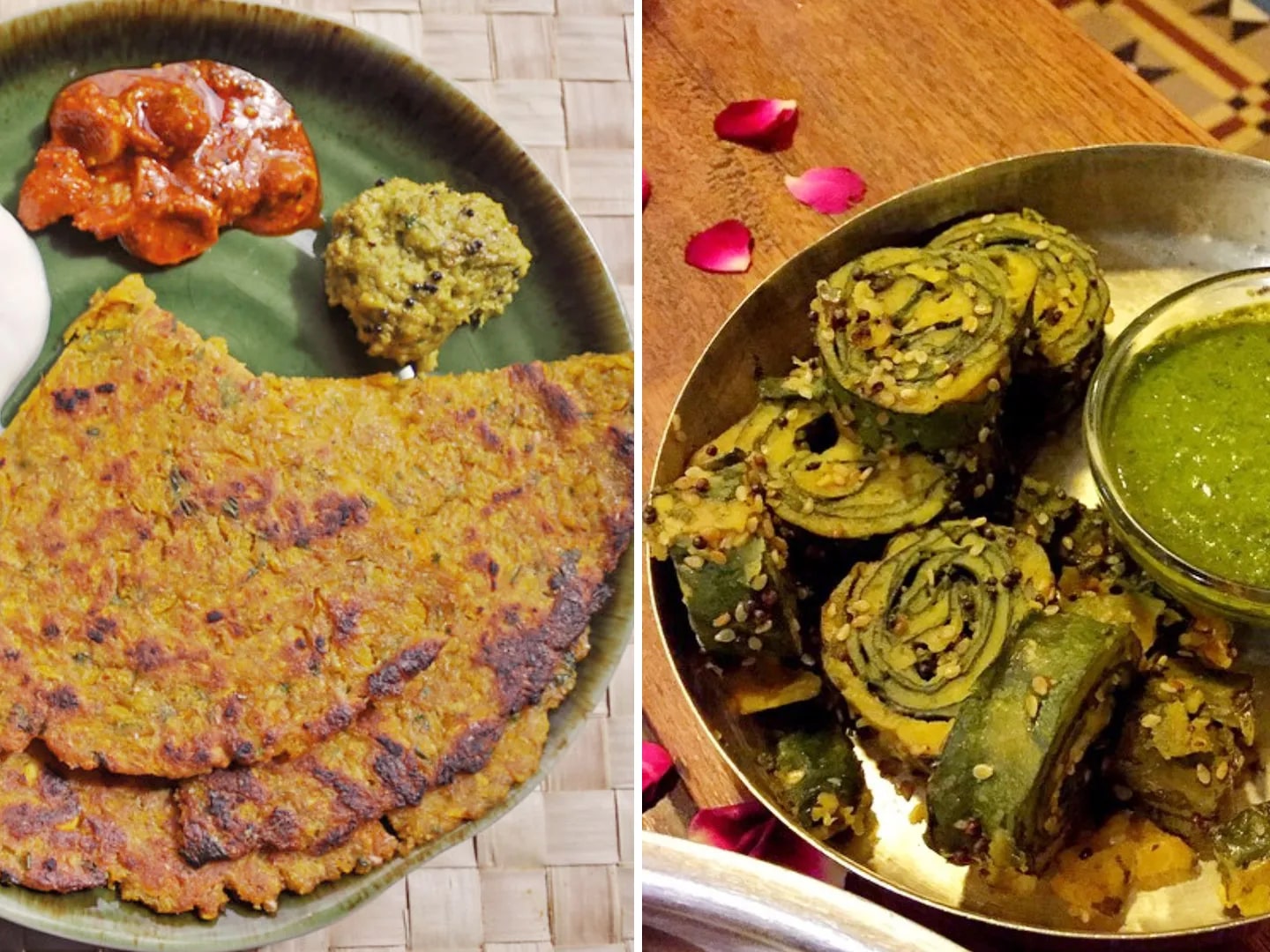
In the bustling city of Mumbai, where skyscrapers touch the sky and the sea whispers tales of old, resides a young professional named Anjali. Like many, she is caught in the whirlwind of work, life, and the ever-ticking clock. Yet, amid the chaos, Anjali harbors a deep longing — a yearning for the authentic taste of her childhood, the rich and hearty Maharashtrian dishes that her grandmother used to prepare in her quaint village kitchen.
Anjali's story is not uncommon. Many urban dwellers, especially those who have moved away from their hometowns, often find themselves missing the comfort and warmth of traditional home-cooked meals. The distinct flavors of Maharashtrian cuisine, with its perfect blend of spices and ingredients, hold memories of family gatherings and festive celebrations. This emotional connection to food is a powerful sentiment that transcends the mere act of eating.
The major problem Anjali faces is a blend of emotional and practical — the inability to recreate those authentic flavors amidst her busy schedule and limited culinary skills. The hustle and bustle of city life leave little room for her to delve into complex recipes or source authentic ingredients. This is where the solution emerges, with the availability of ready-to-eat authentic Maharashtrian dishes.
Imagine this after a long day at work, Anjali returns home, tired yet craving the comfort of home-cooked food. Instead of settling for fast food or a generic meal, she reaches for a beautifully packaged traditional Maharashtrian dish, ready to be warmed and served. As the aroma fills her apartment, she is transported back to her grandmother's kitchen, surrounded by the laughter and love of her family. In that moment, she isn't just feeding her body; she is nourishing her soul.
The availability of ready-to-eat Maharashtrian dishes not only solves the practical problem of time and skill constraints but also addresses the emotional need for connection with one's roots. It allows individuals like Anjali to experience the flavors of home, regardless of where they are. This connection to culture and tradition is invaluable, especially in a world where distances often stretch beyond geography.
Consider the case of Rajesh, a software engineer in Bangalore, who found himself battling homesickness. Despite being surrounded by friends, he often felt a disconnect, a void that only his mother's special Puran Poli could fill. With the introduction of authentic ready-to-eat dishes, Rajesh discovered a way to bridge that gap. Each bite offered him not just sustenance but a reminder of who he is and where he comes from. It became a ritual, a moment of personal celebration amidst the routine.
The demand for such authentic culinary experiences is growing, fueled by the desire to reconnect with one's heritage. These dishes offer a practical solution for individuals seeking convenience without compromising on quality or taste. Furthermore, they serve as a cultural touchstone, preserving the legacy of traditional Maharashtrian cuisine and introducing it to a broader audience.
For businesses, offering such products aligns with a larger trend towards authenticity and cultural appreciation in the food industry. It provides an opportunity to cater to a niche market, tapping into the emotional and practical needs of consumers. By emphasizing the authenticity and quality of ingredients, businesses can build trust and loyalty among their customers.
In conclusion, the story of Anjali and Rajesh is a testament to the power of food as a bridge between past and present, tradition and modernity. Ready-to-eat Maharashtrian dishes offer more than just convenience; they offer a taste of home, a slice of nostalgia, and a connection to one's cultural identity. As more individuals seek to satisfy their cravings for authenticity, these dishes stand out as a beacon of comfort and familiarity, ready to welcome them back to the heart of Maharashtra, one meal at a time.
Visit Vyaparify Site: https://id.vyaparify.com/shree_sadgurukrupa_veg

 Go To Homepage


Comments (0)