 Facebook
 Instagram
 Twitter
 Linkedin
In the bustling heart of Mumbai, where life's pace often mirrors the relentless rhythm of the local trains, Neeta Desai found herself engulfed in the chaos of city living. Living with her husband and two young children in a cozy two-bedroom apartment on the 15th floor, Neeta's life was a whirlwind of responsibilities and noise. Yet, amidst the cacophony, there lay a silent yearning for peace—a sanctuary to reconnect with her roots and spirituality, a desire echoed by many urban dwellers.
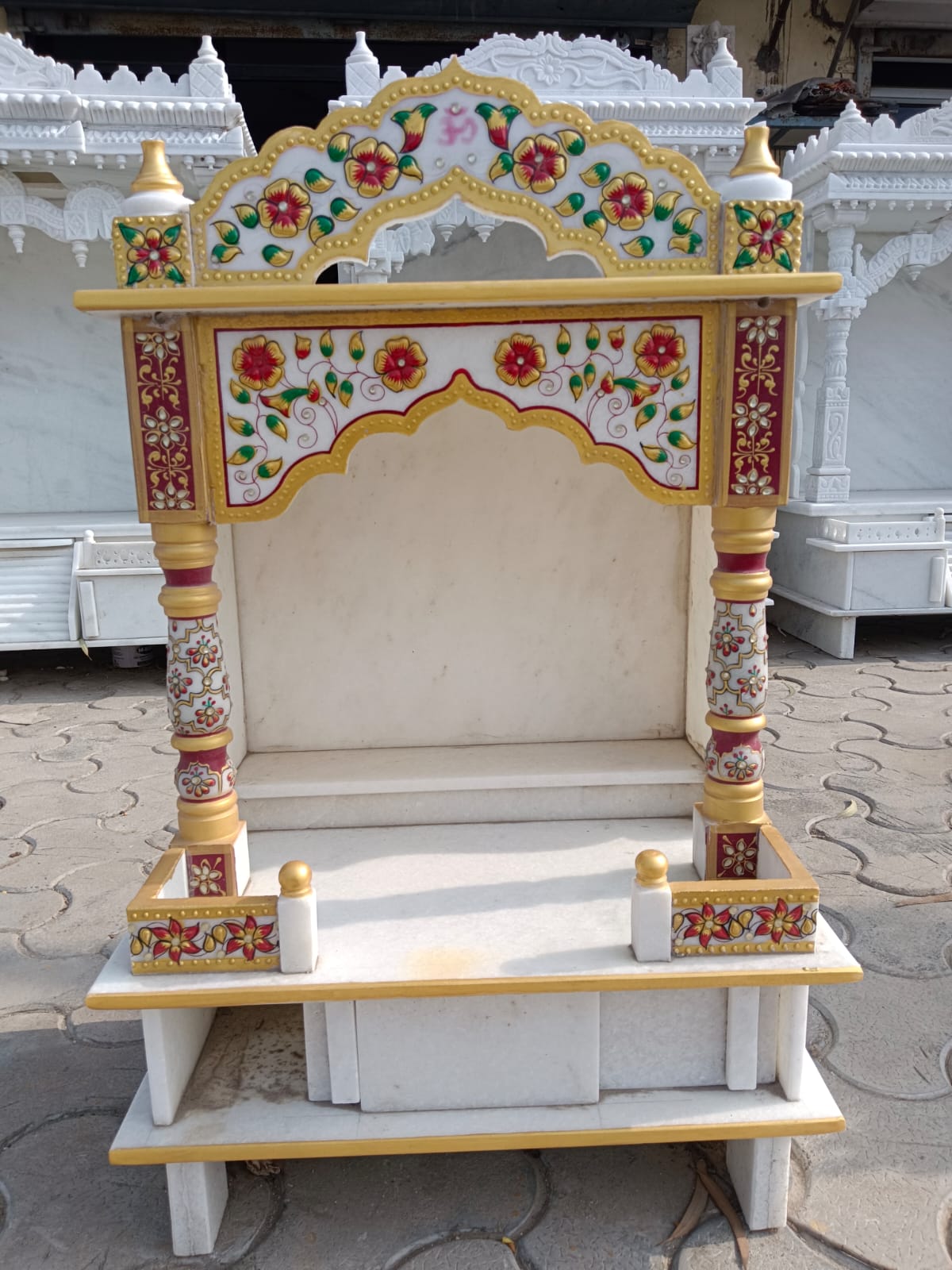
Neeta's story is not unique. Across India's urban landscape, families grapple with limited space, longing for a touch of tradition and tranquility in their homes. The answer to this common dilemma came to Neeta in the form of a small Tulsi mandir. This elegantly crafted temple, modest in size yet profound in presence, became the heart of her home, offering a spiritual anchor amidst the chaos.
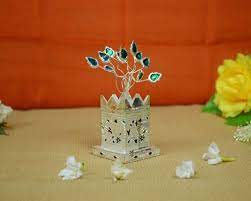
The Tulsi plant holds a revered place in Indian culture, symbolizing purity and wellness. For Neeta, the small Tulsi mandir was not just a decorative piece; it was a bridge to her heritage, a reminder of her childhood days spent at her grandmother's home, where the Tulsi plant was the centerpiece of the courtyard.
Upon introducing the Tulsi mandir into her living space, Neeta noticed an immediate transformation. The simple act of tending to the sacred plant each morning became a meditative ritual, a moment of calm before the day’s demands took over. Her children, curious and eager, began participating, each one gently watering the plant and offering flowers. This daily interaction fostered a sense of responsibility and spirituality in them, virtues Neeta cherished and hoped to impart.
The mandir, with its intricate carvings and compact design, fit perfectly into a sunny corner of the living room. It didn’t demand much space, yet offered so much in return. The subtle fragrance of the Tulsi leaves infused the air, creating a serene atmosphere that permeated the entire apartment. It was as if the mandir had absorbed the city’s hustle and returned it as peace.
Friends and family visiting Neeta’s home remarked on the newfound tranquility, often lingering by the mandir, drawn by its spiritual aura. It became a focal point for family gatherings, especially during festivals like Diwali, where prayers and rituals enhanced the festive spirit. The Tulsi mandir had transformed not just her home, but her way of life, weaving spirituality into the fabric of everyday living.
For many like Neeta, the small Tulsi mandir is more than a religious symbol; it is a practical solution to the emotional yearning for peace and connection. In cities where space is a luxury, it offers a compact yet profound means to incorporate spirituality into daily life, fostering a sense of well-being and grounding.
Case studies from other Indian cities echo Neeta's experience. In Bangalore, Rohit and Priya Kumar found that their small Tulsi mandir served as a spiritual retreat after long workdays. In Delhi, the Joshi family used their mandir as a teaching tool for their children, instilling cultural values and traditions.
In conclusion, the small Tulsi mandir is not just a product; it is a conduit for peace, a tangible solution to the emotional turmoil faced by urban families. It offers a slice of spirituality in a fast-paced world, creating a sanctuary of calm and connection. As Neeta reflects on her journey, she smiles, knowing that in the heart of her bustling city home, she has found her oasis of serenity.
Embrace the tranquility and tradition of a small Tulsi mandir in your living space. Discover how this simple addition can transform your home, offering a serene escape from the urban jungle.
Visit Vyaparify Site: https://id.vyaparify.com/shreeji-krupa-marbles


Contact Us
sarkhej gandhinagar highway near punjab national bank gota ahmedabad


 Select Date