In the bustling city of Mumbai, amidst the cacophony of honking cars and street vendors, resides a young mother named Aisha. Aisha works tirelessly to provide the best for her seven-year-old son, Aarav. Like many parents, Aisha dreams of nurturing a world of creativity and learning for her child. However, Aarav faces a challenge that many children encounter today — the dwindling attention span, exacerbated by relentless screen exposure.
Aisha noticed that Aarav was quickly losing interest in his textbooks and educational videos, often opting for the instant gratification offered by gadgets. She worried about the long-term impact on his creativity, emotional intelligence, and even his academic performance. Aisha knew she needed a solution, one that would captivate Aarav’s imagination and foster a lifelong love for learning.
Enter the transformative power of story reading.
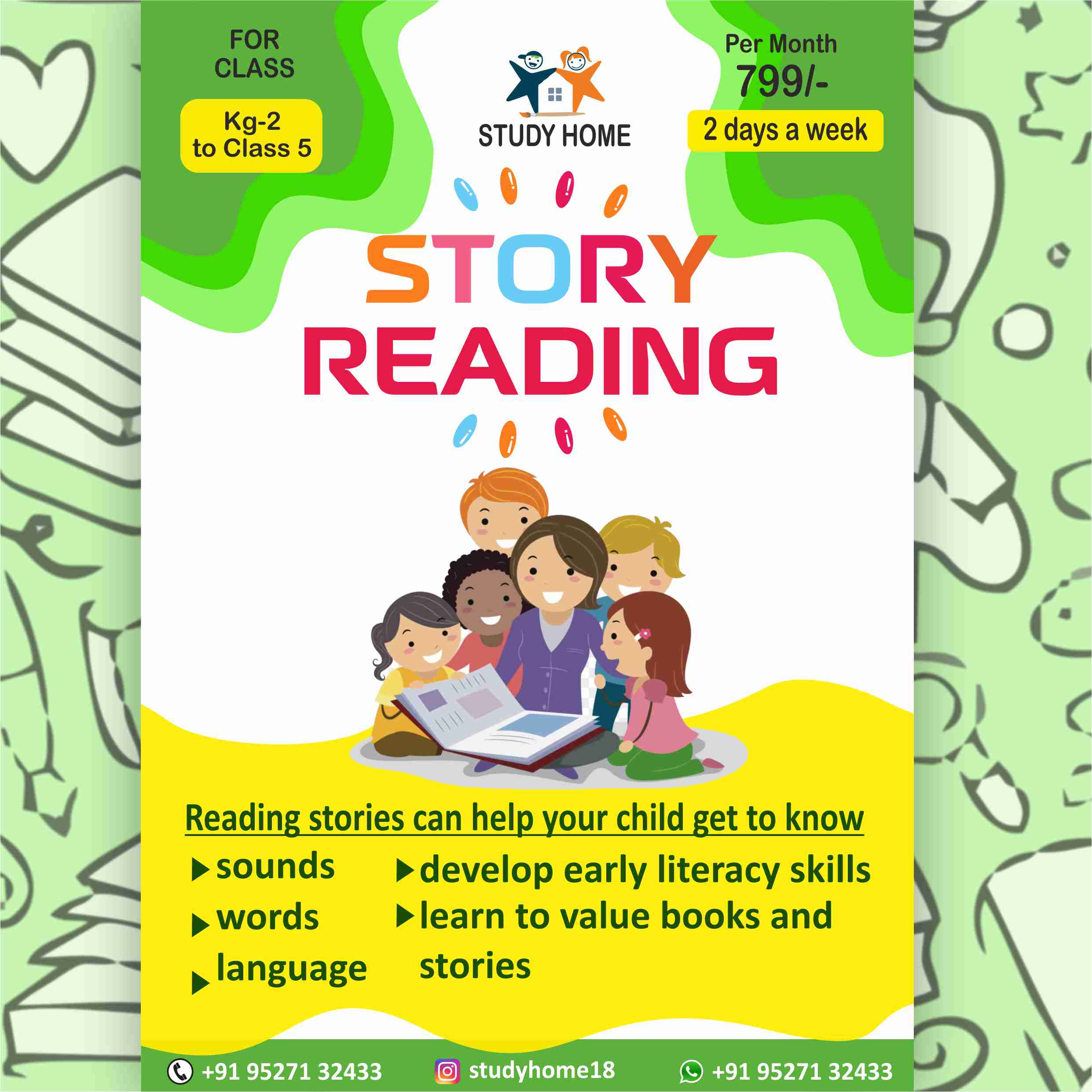
The art of story reading is ancient, yet its benefits are timeless. For young readers like Aarav, it presents a gateway to worlds beyond their immediate surroundings, a chance to explore diverse cultures, emotions, and ideas. Story reading is not just about literacy; it is about emotional growth, cognitive development, and nurturing empathy.
Research shows that story reading significantly enhances a child's vocabulary and comprehension skills. It allows children to experience a myriad of emotions, encouraging them to empathize with characters and scenarios far removed from their daily lives. This emotional exploration is crucial in developing emotional intelligence — a skill that is arguably as vital as academic knowledge.
In Aarav's case, story reading can address the major problem of reduced attention span. Unlike the flashy, fast-paced visuals of digital screens, stories require active engagement. They encourage children to visualize scenarios, imagine characters, and predict outcomes, thereby improving concentration and focus over time.
Consider the story of Meera, another parent from Ahmedabad, who faced a similar predicament with her eight-year-old daughter, Priya. Meera introduced a ritual of story reading every evening. She noticed that Priya began to ask more questions, express curiosity, and even relate story scenarios to her everyday life. Over time, Priya’s teachers observed improvements in her attention span and her ability to articulate thoughts clearly.
For parents like Aisha and Meera, incorporating story reading into their children's routines not only combats the issue of screen addiction but also enriches their children's lives in myriad ways. It is a practical solution that addresses emotional and cognitive challenges, providing a holistic approach to a child's development.
Incorporating story reading into a child's daily routine is simple yet profoundly impactful. Here are a few tips for parents
1. Create a Cozy Reading Nook Designate a comfortable spot at home where your child can immerse themselves in stories, free from distractions.
2. Set a Routine Dedicate time each day to story reading. It could be a bedtime ritual or a morning activity, depending on your child’s schedule.
3. Be Involved Read with your child. Discuss the stories, ask questions, and encourage them to share their thoughts and interpretations.
4. Diverse Selection Offer a variety of stories from different cultures and genres to broaden their horizons and spark curiosity.
5. Encourage Storytelling Motivate your child to craft their stories. This exercise fosters creativity and hones their narrative skills.
In conclusion, story reading is a timeless tool that can profoundly impact young minds like Aarav's. It addresses critical challenges in today’s tech-driven world while nurturing a lifelong love for learning and exploration. For every parent like Aisha, story reading offers a bridge to a brighter, more imaginative future for their child. Embrace this magical journey and watch your child's world expand, one story at a time.
Visit Vyaparify Site:
https://id.vyaparify.com/study-homeLocation:
https://maps.app.goo.gl/pDAs62nvAogqQjjh9