In a bustling neighborhood of Mumbai, Aditi's laughter was once the soundtrack of her vibrant life. As a 32-year-old marketing executive, she was known for her infectious energy and her long, luscious hair that she wore with pride. However, a cancer diagnosis changed everything, leaving her grappling with the emotional and physical toll of chemotherapy. Along with the illness, Aditi feared losing her identity as she faced the prospect of hair loss.
For many cancer patients like Aditi, hair loss is not just a side effect of chemotherapy; it is a profound emotional struggle. Hair is intricately tied to our identities, symbolizing vitality, beauty, and self-expression. The sudden loss can be a devastating blow to self-esteem and confidence, adding an emotional burden to an already challenging journey.
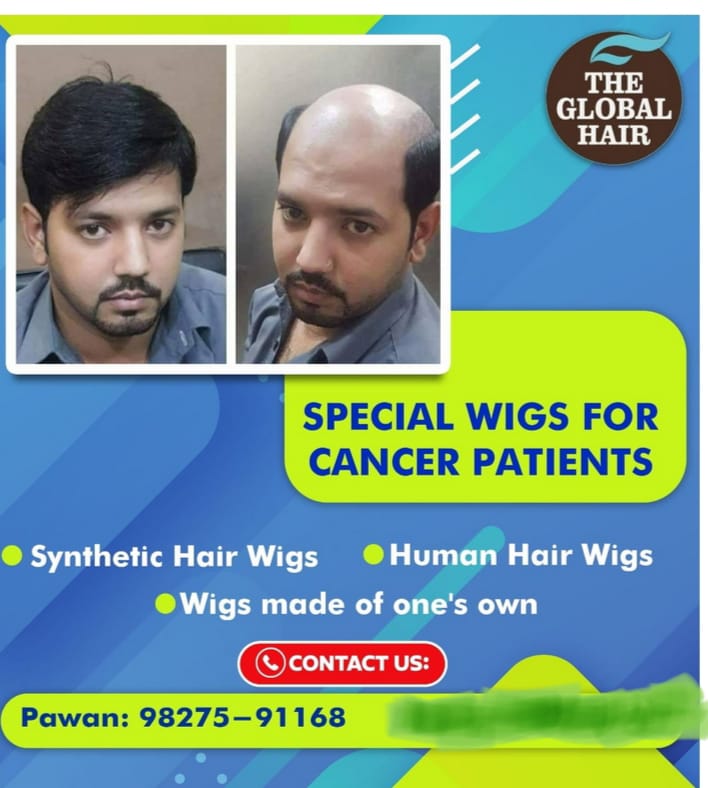
This is where wigs for cancer patients come in. They offer more than just a physical replacement for lost hair; they provide a vital emotional lifeline, helping individuals regain a sense of normalcy and control over their appearance. Wigs can be transformative, allowing people to face the world with confidence and dignity, even amidst the trials of cancer treatment.
Aditi's story is not unique. Across India, countless individuals face similar challenges. Take the case of Rajesh, a 45-year-old teacher from Chennai, who was diagnosed with lymphoma. His passion for teaching and connecting with students kept him going through the toughest times. However, hair loss threatened to strip him of his identity in the classroom. A well-chosen wig helped Rajesh maintain his professional appearance and, more importantly, his self-assurance. With his new look, he could stand before his students, sharing knowledge without the distraction of self-consciousness.
The process of choosing a wig can be deeply personal and empowering. It involves selecting a style and color that resonates with one’s personality, allowing individuals to reclaim their sense of self. For those like Aditi, who once reveled in long, flowing hair, a wig became a tool for self-expression, enabling her to experiment with new styles and even embrace the changes in her appearance.
Furthermore, wigs for cancer patients are designed with the utmost comfort in mind. They are lightweight, breathable, and crafted to minimize irritation on sensitive scalps. This practical aspect ensures that the emotional support provided by a wig is not compromised by discomfort, allowing patients to focus on their recovery journey.
The journey of hair loss and recovery is deeply personal, and the support of family, friends, and the community plays a crucial role. Culturally, in India, hair is often seen as a mark of womanhood and strength. For women like Aditi, the loss can be particularly poignant. Community initiatives and support groups can be invaluable in providing a safe space to share experiences, exchange advice, and foster a sense of belonging.
In conclusion, wigs for cancer patients are more than just a cosmetic solution; they are a beacon of hope and empowerment. They allow individuals to reclaim their identity, face the world with renewed confidence, and focus on what truly matters—their health and recovery. As we support loved ones like Aditi and Rajesh, let us remember the profound impact these simple yet transformative tools can have, offering a ray of sunshine in the darkest of times. By embracing wigs as part of the healing journey, we can help cancer patients across India find their way back to laughter and life.
By weaving the stories of Aditi and Rajesh into the fabric of this narrative, we can better understand the emotional landscape of cancer patients dealing with hair loss. As the need for empathy and support continues to grow, wigs remain a powerful tool in helping individuals rebuild their confidence and regain control over their lives.
Visit Vyaparify Site:
https://id.vyaparify.com/the-global-hair-replacement