Facebook
 Instagram
 Twitter
 Linkedin
In the bustling city of Mumbai, eight-year-old Aarav sat at the dining table, staring at his math textbook. His mother, Priya, watched him struggle through another evening of homework battles. Aarav, like many Class II students, found traditional learning methods challenging and uninspiring. Priya often wondered if there was a better way to engage her son and make learning enjoyable.
In today’s rapidly evolving educational landscape, parents like Priya face a common dilemma—how to make learning more effective and exciting for young learners. Traditional teaching methods often leave children disengaged, especially in subjects like mathematics and science, where abstract concepts can be tough for young minds to grasp. This is where the need for innovative educational tools becomes apparent.
Enter the world of interactive learning solutions specifically designed for Class II students. These tools are revolutionizing education by transforming how children perceive and engage with their lessons. Let’s explore how these innovative products address the distinct challenges faced by young learners and their parents.
The Major Problem Lack of Engagement and Understanding
The primary challenge for Class II students is maintaining engagement and understanding complex concepts. For children like Aarav, traditional rote learning methods often fail to spark curiosity or foster a deeper understanding of the subject matter. This lack of engagement can lead to poor academic performance and a negative attitude towards learning.
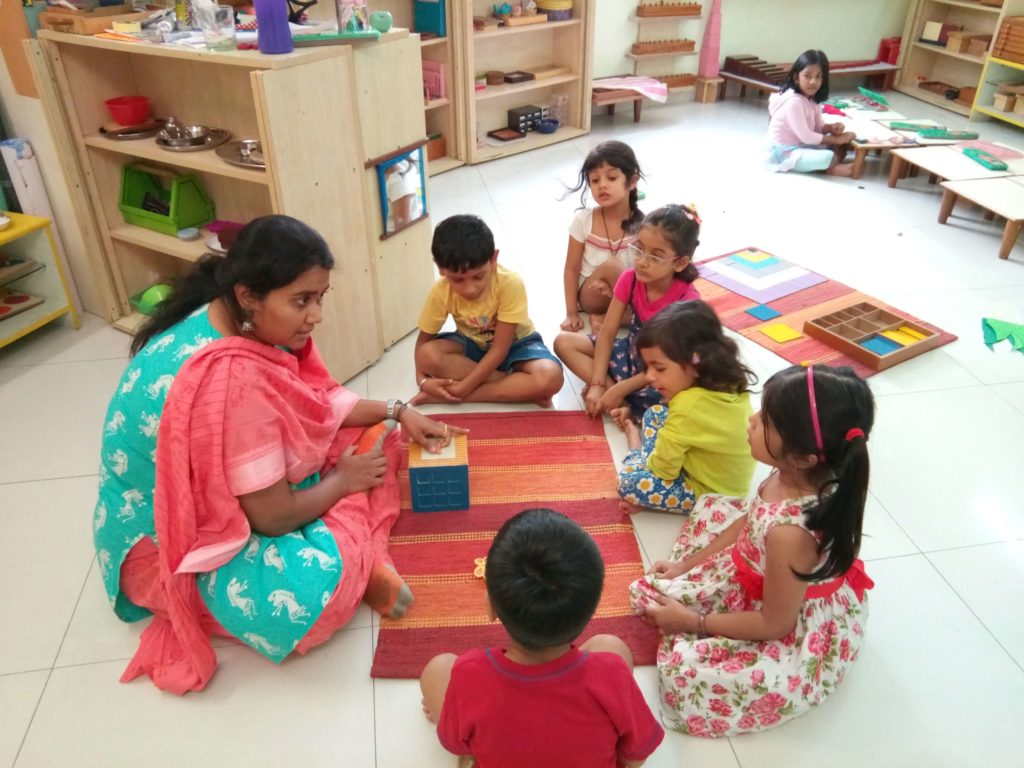
Interactive learning tools tailored for Class II students offer a solution by making education more engaging and accessible. These tools use vibrant visuals, interactive activities, and gamification to turn learning into a fun and enjoyable experience. They cater to the inquisitive nature of young learners, encouraging them to explore and discover new things on their own.
Transformative Learning through Interactive Tools
Consider the example of Meera, a Class II student from Bangalore. Meera struggled with mathematics, often feeling overwhelmed by numbers and equations. However, when her school integrated interactive learning tools into their curriculum, everything changed. These tools presented math concepts through interactive games and puzzles, allowing Meera to grasp complex ideas through play. Her confidence soared, and she began to enjoy math lessons, transforming her academic experience.
Interactive tools provide students with immediate feedback, helping them understand their mistakes and learn from them. This instant reinforcement encourages a growth mindset, where children learn that making mistakes is a part of the learning process. It empowers them to approach challenges with confidence and resilience.
Empowering Parents and Teachers
For parents like Priya, interactive learning tools offer peace of mind. These products often come with progress tracking features, allowing parents to monitor their child’s development and identify areas that need extra attention. This transparency builds trust and strengthens the parent-child-teacher relationship.
Teachers, too, benefit from these innovative solutions. Interactive tools provide educators with valuable insights into each student’s learning pace and preferences. This data-driven approach enables teachers to personalize lessons and address individual needs, fostering a more inclusive and supportive classroom environment.
A Brighter Future for Young Learners
In the diverse educational landscape of India, interactive learning tools are proving to be a game-changer. They bridge the gap between traditional teaching methods and modern technology, offering a holistic approach to education. As more schools and parents embrace these innovative solutions, children across the country, like Aarav and Meera, are discovering the joy of learning.
By addressing the distinct challenges faced by Class II students, these tools are paving the way for a brighter future. They empower young learners to become independent thinkers, creative problem-solvers, and enthusiastic explorers of knowledge. For parents like Priya, they offer a promise of a better educational experience, ensuring that their children not only succeed academically but also develop a lifelong love for learning.
In conclusion, as we continue to navigate the ever-changing educational landscape, it’s crucial to embrace innovation and adaptability. Interactive learning tools for Class II students are not just educational aids; they are catalysts for transformation, shaping the way we teach and learn for generations to come.
Visit Vyaparify Site: https://id.vyaparify.com/the-juniors
Location: https://goo.gl/maps/ctoPtRwtVKKttrVc7
Contact Us
72, Janki Nagar extension, Behind Holkar college, Indore.


 Select Date