In the bustling city of Bengaluru, Riya found herself standing in front of her wardrobe, staring at a sea of mass-produced, uninspiring clothes. A successful software engineer in her late twenties, Riya often felt a disconnect from her cultural roots. Her life, dominated by technology and rapid urbanization, seemed to pull her further away from the rich traditions of her homeland.
For Riya, like many young professionals in India, the challenge was not just about finding clothes; it was about finding a deeper connection to her heritage. The fast-paced, modern world often left her yearning for authenticity and a sense of belonging that the mass market failed to provide. Riya's story is not unique. Many young Indians today face this emotional and cultural disconnect. They seek something more meaningful in their everyday lives, something that bridges the gap between tradition and modernity.
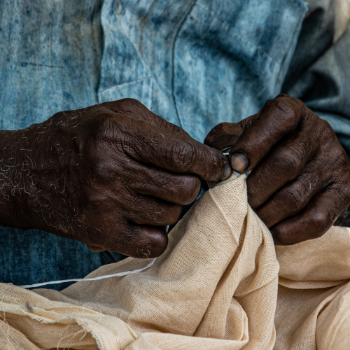
Enter handmade clothing—a solution that offers more than just fabric and thread. Handmade clothes are a tapestry of India’s rich cultural history, woven with stories of artisans who have inherited their craft through generations. Each piece is not just a garment; it's a narrative, a piece of art that connects the wearer to a lineage of tradition and craftsmanship.
Riya’s journey to reconnect with her roots began when she stumbled upon an exquisite collection of handmade clothes at a local market. Drawn to a vibrant kurta, she discovered it was crafted by artisans from a small village in Rajasthan, using techniques that have been passed down through generations. The intricate block prints and natural dyes spoke to her, resonating with a part of her she had long ignored. For Riya, wearing that kurta was like donning a piece of history, a bridge to her cultural heritage.
The problem of cultural disconnect is not just emotional; it’s also about sustainability and ethical consumption. In a world dominated by fast fashion, handmade clothes offer a practical solution by supporting local artisans and promoting sustainable practices. Each purchase directly impacts the lives of those who craft them, empowering communities and preserving age-old traditions.
Consider the case of Manoj, a skilled weaver from a quaint village in West Bengal. Manoj's family has been in the weaving business for generations, but the advent of fast fashion had threatened their livelihood. However, the rising demand for handmade clothes among conscious consumers like Riya has breathed new life into his craft. Today, Manoj not only supports his family but also employs other villagers, ensuring that the art of weaving is passed on to future generations.
The story of Manoj and Riya illustrates the transformative power of handmade clothes. For the consumer, it’s an opportunity to embrace authenticity and connect with their cultural roots. For the artisan, it’s a lifeline, a way to sustain their craft and preserve their heritage.
Incorporating handmade clothes into your wardrobe is more than a fashion statement; it's a commitment to preserving the rich tapestry of Indian culture while embracing modern values of sustainability and ethical consumption. Every piece tells a story, and by wearing it, you become a part of that narrative.
As Riya walked into her office wearing her handmade kurta, she felt a sense of pride and purpose. She was not just wearing a piece of clothing; she was wearing a story, a testament to her heritage and her commitment to a more sustainable future.
So, next time you find yourself looking for something unique and meaningful, consider the power of handmade clothes. Embrace the opportunity to reconnect with your roots, support local artisans, and make a positive impact on the world around you. Let your wardrobe tell a story that is as rich and diverse as India itself.
Visit Vyaparify Site: https://id.vyaparify.com/vijay-ngo

 Go To Homepage