 Facebook
 Instagram
 Twitter
 Linkedin
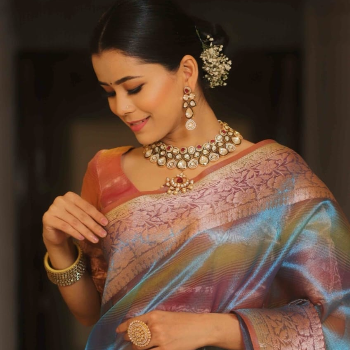
In the heart of Mumbai, Shalini, a young and vibrant marketing executive, stands before her wardrobe, face etched with indecision. As she sifts through an array of western dresses and kurtis, a traditional silk saree catches her eye. Its rich texture and vivid colors seem to whisper stories of tradition and grace. For Shalini, this saree represents more than just attire; it embodies a bridge between her cultural heritage and her contemporary lifestyle.
Across India, women like Shalini grapple with the challenge of maintaining cultural ties while navigating the modern world. The silk saree, a timeless piece of Indian fashion, emerges as a solution to this dilemma, offering both elegance and a deep connection to one's roots. But how does a piece of cloth manage to weave such magic? Let's delve into the fabric of this narrative.
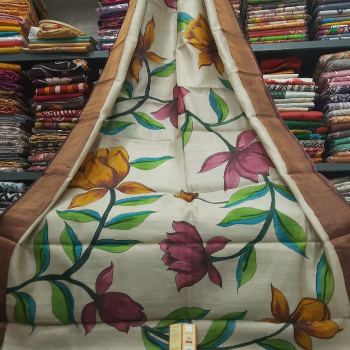
Silk sarees have adorned Indian women through centuries, from the regal courts of ancient kingdoms to the celebratory aisles of modern weddings. The fabric, renowned for its luster and luxurious feel, transforms mere attire into a statement of sophistication and tradition. For Shalini, the saree is a sartorial heirloom, echoing the grace of her grandmother and the modernity she embraces.
Yet, the allure of the silk saree goes beyond its aesthetic appeal. In an era where fast fashion often dictates trends, a silk saree stands as a symbol of sustainable fashion. Its durability and timeless style make it a wise investment for the discerning Indian woman. Moreover, its versatility allows it to be worn across occasions, from festive celebrations to formal events, solving the practical issue of finding the perfect ensemble for diverse occasions.
Let us consider the story of Meera, an entrepreneur based in Bangalore. Meera found herself in a similar predicament, torn between the ease of western wear and the elegance of traditional attire. Her role as a businesswoman required attire that commanded respect and exuded confidence. A chance encounter at a cousin's wedding rekindled her love for silk sarees. The compliments and admiration she received were not merely for the saree's beauty but for how it accentuated her poise and personality.
For Meera, the saree became more than an outfit; it became a tool for self-expression. It offered her a unique blend of confidence and tradition, helping her stand out in boardrooms dominated by suits and ties. The emotional connection she felt when draping a silk saree was profound, reinforcing her identity as a modern Indian woman proud of her heritage.
Moreover, the emotional journey of wearing a silk saree is complemented by its practical benefits. The breathable nature of silk ensures comfort, while its intricate designs and vibrant colors provide a canvas for personal expression. For women like Shalini and Meera, the saree becomes a harmonious blend of comfort and style, solving the perennial fashion dilemma of choosing between looking good and feeling good.
In today's world, where cultural erosion is a growing concern, silk sarees offer a powerful means of preserving heritage. They serve as a reminder of the diverse and rich tapestry of Indian culture, allowing modern women to connect with their roots in an authentic and meaningful way.
As Shalini finally drapes the saree, she feels an overwhelming sense of pride and belonging. The saree is more than a garment; it's a narrative woven with threads of history, emotion, and identity. It solves her sartorial quandaries with grace, offering her a piece of tradition that seamlessly fits into her modern world.
In embracing the silk saree, women across India are not just choosing a piece of clothing; they are choosing to celebrate their heritage while confidently stepping into the future. Each drape, each fold, tells a story of resilience, elegance, and a deep connection to one's roots. The silk saree, with its timeless allure, continues to be a symbol of the Indian woman's journey, blending the past with the present in a harmonious dance of tradition and modernity.
Visit Vyaparify Site: https://id.vyaparify.com/viraj-the-ethnic-hut
Contact Us
Whitefield Bangalore


 Website
 India Mart
 Select Date