.jpg)
 Facebook
 Instagram
 Twitter
 Linkedin
In the bustling city of Vadodara, Ramesh Patel, a seasoned engineer and owner of a mid-sized manufacturing plant, faced a daunting challenge. His facility, which had been operational for over two decades, was grappling with frequent maintenance issues, especially with its aging valve systems. These issues were not just a financial drain but also a significant emotional strain, as Ramesh's pride and joy was slowly losing its competitive edge.
For Ramesh, like many other industrialists in India, the heart of his operations lay in the seamless flow of processes. At the center of this was a network of valves responsible for regulating steam and fluids within the plant. Unfortunately, the outdated and inefficient valves were causing frequent leaks, energy losses, and unexpected downtime. Each maintenance shutdown meant a loss of productivity and revenue, not to mention the growing concerns over sustainability and safety.
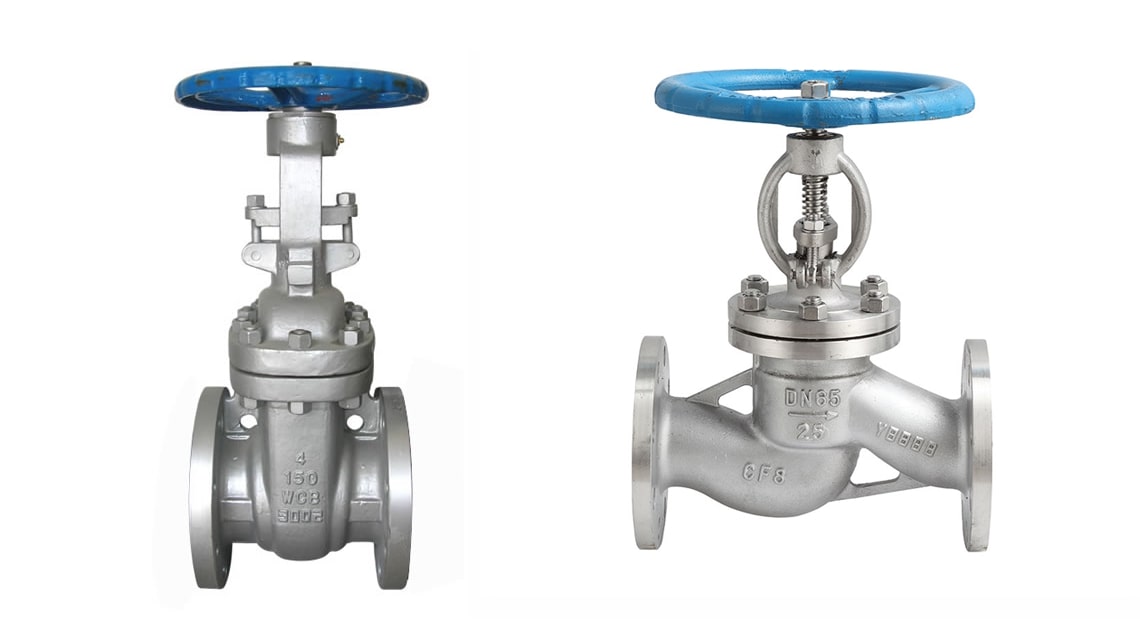
Enter the world of steam and gate valves, the unsung heroes of industrial efficiency. These valves are designed to offer precise control over fluid flow, ensuring optimal performance and reducing the likelihood of leaks and other operational hiccups. For Ramesh, the decision to upgrade his plant's valve system was not just about fixing a practical problem but about embracing a future where efficiency and sustainability go hand in hand.
The transformation began with the installation of high-quality steam and gate valves that promised durability and precision. The impact was almost immediate. The plant, once plagued by frequent disruptions, now ran smoothly with minimal maintenance needs. Energy consumption dropped significantly, thanks to the valves' efficient regulation of flow, which in turn reduced costs and increased the plant's overall sustainability. The financial savings were substantial, allowing Ramesh to reinvest in other areas of his business.
But the changes were not just practical; they touched the emotional core of Ramesh's journey as an industrialist. The newfound reliability and efficiency instilled a sense of pride and confidence that had been missing for years. The plant's improved performance was not just a win for Ramesh but for his entire team, who could now focus on innovation and growth rather than troubleshooting constant issues.
Ramesh's story is not unique. Across India, industries are waking up to the necessity of modernizing their infrastructure to stay competitive in a rapidly evolving market. A case in point is Mehta Industries in Pune, which reported a 30% increase in productivity after similar valve upgrades. Such examples underline the importance of investing in the right equipment to tackle both the practical and emotional challenges of running a manufacturing business.
In conclusion, the adoption of advanced steam and gate valves is more than just a technical upgrade; it's a strategic move towards greater operational efficiency and sustainability. For industrialists like Ramesh, these valves not only solve the immediate practical problem of inefficient systems but also offer peace of mind, knowing their operations are running at peak performance. The journey of transformation begins with a single step, and for Ramesh, it was the decision to modernize his valve systems—a decision that continues to pay dividends.
For businesses across India, the lesson is clear embracing modern solutions like steam and gate valves can drive significant improvements in both performance and competitiveness. As Ramesh Patel's experience shows, the right technology can transform challenges into opportunities, paving the way for a brighter, more efficient future.
Visit Vyaparify Site: https://id.vyaparify.com/vm_porwal_and_sons
Location: https://maps.app.goo.gl/y5NBb4hx8rnAf7Xd8
-600x600.jpeg)
Contact Us
Survey No. 369, Raviwar Peth, Pune - 411002 (Near Sonya Maruti Chowk, Bhori Ali)


 Select Date